How AI Shopping Influencers Shift Handbag Trends Fast
How fast can an AI shopping influencer move a handbag trend, and what should a brand do about it? The measured window from first viral post to peak search interest is 9-14 days, and the decay after that peak runs about 21 days, which leaves a genuinely sellable window of roughly 45-70 days. A standard private label build cannot reach into it: 6-10 working days of sampling plus 35-50 days of production 35-50 days, so a fast-follow order placed at the peak lands as the trend is already dying. There are three possible responses - a genuine fast-follow, pre-booked material with reserved capacity, and deliberately deepening the evergreen range instead - and they differ by far more than raw speed. This page compares all three across six dimensions, then matches each one to the brand type it actually suits.
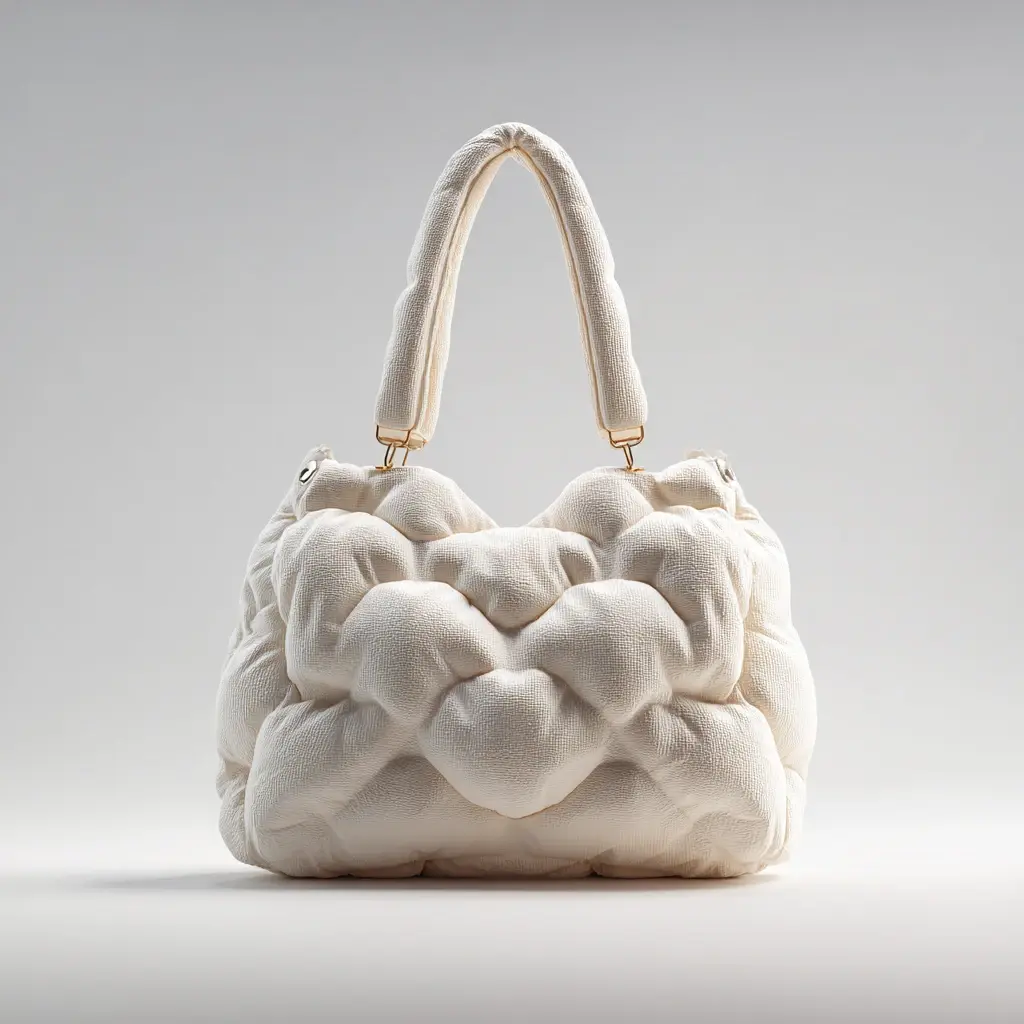
- Three Ways to Respond to a Fast-Moving Trend
- Response Speed Compared, Week by Week
- Cost and Risk Compared Line by Line
- Option A: The Fast-Follow Build
- Option B: Pre-Booked Material and Reserved Capacity
- Option C: Deepen the Evergreen Instead
- Which Option Fits Which Brand
- What the Trend Signal Actually Looks Like
- Building the Trigger Into the Calendar
How fast can an AI shopping influencer move a handbag trend, and what should a brand do about it? The measured window from first viral post to peak search interest is 9-14 days, and the decay after that peak runs about 21 days, which leaves a genuinely sellable window of roughly 45-70 days. A standard private label build cannot reach into it: 6-10 working days of sampling plus 35-50 days of production 35-50 days, so a fast-follow order placed at the peak lands as the trend is already dying. There are three possible responses - a genuine fast-follow, pre-booked material with reserved capacity, and deliberately deepening the evergreen range instead - and they differ by far more than raw speed. This page compares all three across six dimensions, then matches each one to the brand type it actually suits.
The trend clock and the three responses
Three Ways to Respond to a Fast-Moving Trend
Any brand watching a trend break has exactly three moves available, and the difference between them is not speed alone. Option A is to develop the shape properly and accept that it lands late, paying for air freight to compress the tail of the schedule. Option B is to have already decided the material, the hardware and a block of capacity, so that when a trend breaks only the pattern and the colour need deciding. Option C is to decline the trend entirely and put the money into the shapes that sell every month regardless of what is circulating.
Most brands default to Option A without deciding to, because it is the only one that feels responsive. That is a mistake, and it is worth being explicit about why: Option A is the slowest of the three and the most expensive, and it is the one with the highest leftover rate. It feels responsive because the decision happens immediately, but responsiveness is measured at landing, not at decision.
Response Speed Compared, Week by Week
The clock starts at the first viral post, and the useful way to read it is week by week rather than in totals, because the three options diverge at different points. Weeks one and two are where the trend builds and where all three options look identical: nobody has stock yet. The divergence happens in weeks three to five, and by week eight the difference is decisive.
| Week | Option A fast-follow | Option B pre-booked | Option C evergreen |
|---|---|---|---|
| Week 1-2 | Trend identified, brief being written | Trend identified, pattern already under way | No action; evergreen stock already on the shelf |
| Week 3 | Sampling starts, 6-10 working days | Sampling finished, bulk starting | Evergreen reorder placed if sell-through justifies it |
| Week 4-5 | Sample approval and bulk booking | First units finished | Evergreen units landed and selling |
| Week 6-8 | Bulk running, 35-50 days | Units landed, peak being served | Full-price sell-through continues |
| Week 9-10 | Units landed as the trend decays | Second drop decision on real data | No leftover because no trend bet was taken |
| Week 11+ | 38-52 per cent leftover to clear | Small leftover, absorbable | Stock turns at the normal rate |
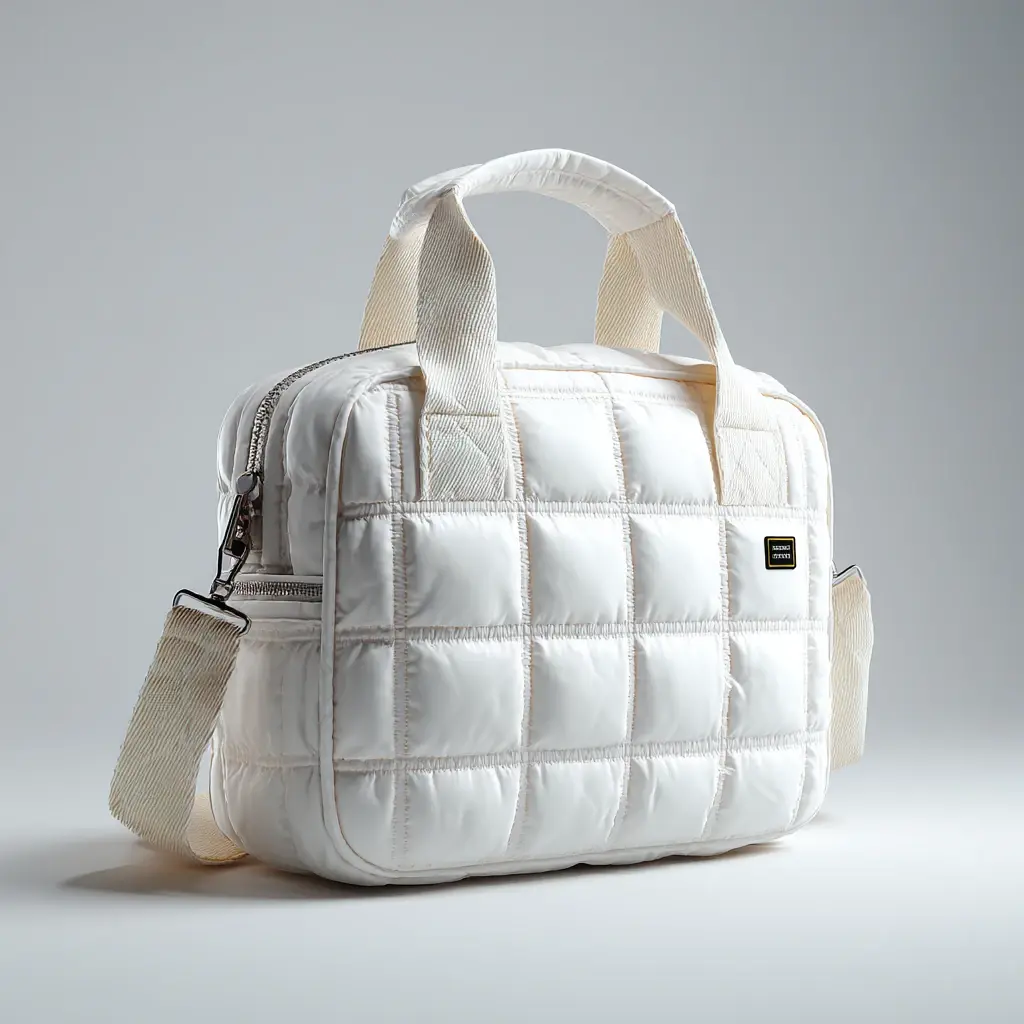
Read the week 9-10 row carefully, because it contains the whole argument. Option A lands as the trend decays, which is the worst possible arrival date: demand is falling, the shopper has already seen the shape everywhere, and the price has become the only differentiator. Option B lands in weeks four to six, which is the peak, and Option C never had an arrival date because it was already there. The brands that appear to be fast are not fast; they were positioned before the trend broke.
Cost and Risk Compared Line by Line
Speed is only one axis. The three options also differ in what they cost and in what can go wrong, and those differences are large enough that they usually decide the question on their own. The table below puts all six dimensions side by side, using a 500 pcs per style / colourway drop as the common basis.
| Dimension | Option A fast-follow | Option B pre-booked | Option C evergreen |
|---|---|---|---|
| Response time | 52-60 days | 14-21 days | Zero, already stocked |
| Landed cost premium | Plus 12-18 per cent | Plus 4-7 per cent | None |
| Freight exposure | Air at USD 4.20-6.80 per kg | Sea, standard | Sea, standard |
| Quality risk | Highest; new build under time pressure | Lower; material and hardware proven | Lowest; repeat build |
| Typical leftover | 38-52 per cent of the drop | 12-22 per cent | Normal range sell-through |
| Working capital at risk | Full drop value | Material commitment only | Already committed |
The quality risk row is the one that surprises people, and it deserves explanation. A rushed build is not only late, it is also more likely to be wrong, because the 6-10 working days of sampling window is exactly the space in which a specification gets tested. Compressing it means the first bulk run is effectively the sample, and at 500 pcs that is an expensive way to discover that a gusset collapses or a strap creeps. Pre-shipment inspection at AQL 2.5 under ISO 2859-1 will confirm the units match the approved sample; it will not confirm the sample was right.
Option A: The Fast-Follow Build
Option A is a genuine development: a new pattern, a new specification, a full sampling round and a full bulk run. It is the right answer when the trend is structural rather than momentary - when a shape is changing how people carry things rather than simply appearing in a lot of posts. It is the wrong answer when the signal is a surface treatment, a colour or a styling trick, because those decay in 21 days and no schedule can reach them.
- Use it when: the trend changes a dimension, a strap position or a carrying method rather than a finish.
- Budget for: a 12-18 per cent premium on landed cost, plus air freight at USD 4.20-6.80 per kg if the tail needs compressing.
- Protect: the sampling window. Cutting it from 6-10 working days to three is what produces the quality failures later.
- Size it at: 500 pcs per style / colourway and no more, because the leftover rate on this option runs 38-52 per cent.
- Accept: that the drop will land in the decay phase unless the trend proves to be structural.
That last point is not a criticism of the option, it is the condition of using it. A fast-follow is a bet on the trend lasting longer than 21 days, and it only pays when the bet is right. Brands that run it repeatedly without asking that question turn it into a subscription to leftover inventory, which is why the pre-booked option exists.
Option B: Pre-Booked Material and Reserved Capacity
Option B is the only response that is genuinely faster than the trend, and it works by moving decisions earlier rather than by making production faster. The material is booked in advance across a small set of core shades, the hardware is a standard line item already specified and tested, and a block of capacity is reserved. When a trend breaks, only two things still need deciding: the pattern and the colour. Everything else is already done.
- Book material across four core shades before the season: black, tan, chocolate and one neutral accent, at a quantity covering roughly two anticipated drops.
- Specify and test hardware once: one zipper tape, one D-ring and one slider, tested to 24-hour salt spray, then reused across every shape in the range.
- Reserve a standing block of capacity: enough for about 200 pcs per week, held rather than scheduled, so it can be called on without renegotiation.
- Prepare two or three base patterns in advance: a tote, a shoulder and a crossbody body that can be re-trimmed rather than re-developed.
- Agree the trigger in advance: the specific signal that releases the capacity, so nobody is arguing about whether the trend is real while it decays.
The economics are straightforward. Booking material ahead costs a 4-7 per cent premium over spot buying, and holding capacity costs a small retainer against the option value of being able to say yes in week one. Against a 12-18 per cent premium and air freight on Option A, that is cheap, and it converts a 52-60 day response into a 14-21 day one - the difference between landing in the decay and landing at the peak.
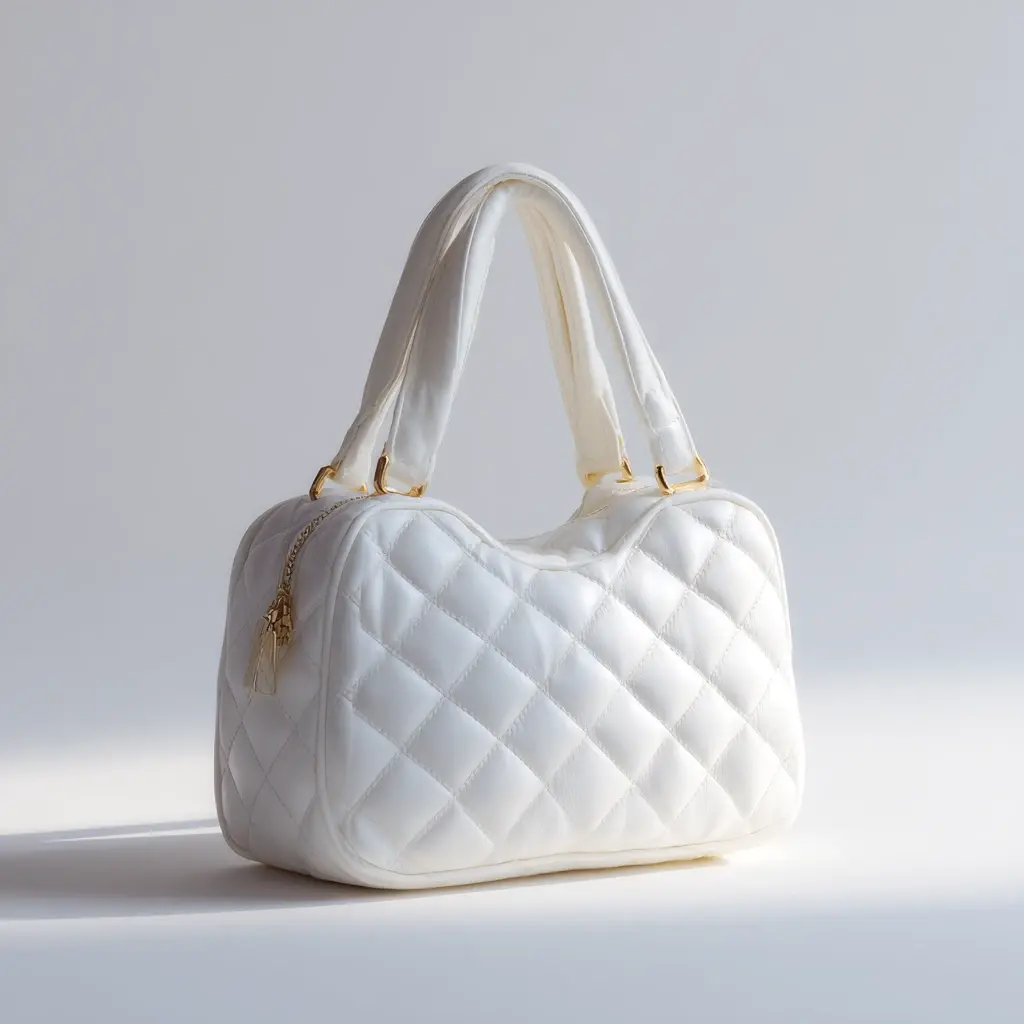
Option C: Deepen the Evergreen Instead
Option C is to decline the trend. It sounds passive and it is often the highest-return choice, because the shapes that sell every month do so at full price, with a known specification, a known reorder cadence and no leftover. The money a trend drop would have consumed goes into depth on proven shapes instead, and depth is cheaper than breadth: a second drop of a shape that already works needs no sampling, no new pattern and no new risk.
- Choose it when: the trend signal is a finish, a colour or a styling trick rather than a change in how the bag is carried.
- Choose it when: the brand's channel is replacement-driven, because those shoppers are not watching the trend at all.
- Do not choose it when: competitors are already serving the trend in the same channel and the brand is losing shelf relevance.
- Measure it by: full-price sell-through rather than by units, because this option trades volume for margin and should be judged accordingly.
There is a version of Option C that is simply timidity, and it is worth distinguishing. Declining a trend because the brand cannot respond fast enough is not a strategy, it is a constraint. Declining it because the specific signal does not fit the brand's shopper is a strategy, and it is usually right. The test is whether the decision was made against the shopper or against the calendar.
Which Option Fits Which Brand
The recommendation is not the same for everyone, and pretending otherwise is how brands end up with a strategy that suits somebody else's business. Three variables decide it: how replacement-driven the channel is, how much working capital can be committed ahead of the season, and whether the brand is competing on relevance or on reliability.
| Brand situation | Recommended option | Why |
|---|---|---|
| Marketplace seller, price-led | Option C, with selective Option B | Replacement-driven shoppers; margin matters more than relevance |
| Boutique, fashion-led | Option B | Relevance matters and 14-21 days is fast enough to serve the peak |
| Own-channel, loyal base | Option C | Known reorder cadence beats an unproven trend bet |
| Wholesaler with committed shelf space | Option B, never Option A | Late delivery damages the retail relationship more than a missed trend |
| Brand entering a new category | Option A once, then Option B | Worth paying for learning; do not repeat the same build twice |
The wholesaler row is worth emphasising, because it is the case where Option A does real damage. A committed shelf slot is a promise to a retail partner, and landing late into a decaying trend means the retailer takes the markdown and remembers who caused it. For that brand, being reliably in stock in week six beats being fashionably in stock in week ten, and the choice is not close.
What the Trend Signal Actually Looks Like
Most of the difficulty is not in responding, it is in knowing whether there is anything to respond to. Trend signals arrive constantly and most of them are noise, so the useful discipline is to define in advance what counts as a real signal rather than deciding in the moment. Three conditions together are a reasonable threshold: a shape appears across at least three unrelated accounts within seven days, search interest for the descriptive term rises measurably rather than anecdotally, and at least one retailer has already listed a comparable product.
The third condition is the most valuable and the least watched. If no retailer has listed anything comparable, the trend is still in the content phase and there is time; if several have, the window is already closing and the honest answer may be that it is too late. WWD and Sourcing Journal both track the gap between content momentum and retail availability, and that gap is where a private label programme either operates or does not. Accessories Council roundtables have made the same point from the brand side: the constraint is almost never knowing about the trend, it is having anything to sell into it. Nostalgia revivals run on a different clock entirely, as how long a nostalgia revival actually pays back explains.
Building the Trigger Into the Calendar
Whatever option a brand chooses, the mechanism is the same: a written trigger, agreed before the season, that converts a signal into a decision without a meeting. The trigger names the signal, the evidence threshold, who decides, what is released, and what the maximum commitment is. Written down in advance, it removes the two things that otherwise consume the whole window: arguing about whether the trend is real, and arguing about how much to commit.
- Name the signal: three unrelated accounts within seven days, plus a measurable lift in search interest for the descriptive term.
- Name the ceiling: the maximum units released without a further decision, usually 500 pcs per style / colourway in one colourway.
- Name the decider: one person, because a committee consumes more of a 9-14 day window than the production does.
- Name the exit: what happens to unsold units at week eleven, decided now rather than argued later.
- Rehearse it once: run the trigger on a small drop before the season, so the mechanics are proven before they matter.
That rehearsal in step five is what separates brands that can respond from brands that believe they can. The mechanics of releasing pre-booked material, calling reserved capacity and approving a pattern inside a two-week window are not complicated, but they are unfamiliar the first time, and unfamiliarity costs days the trend does not have. Every unit described here is produced by our validated partner factory Quanzhou Yingming Bags, running export programmes since 2014 across 7 production lines and about 200,000 pcs per month, inspected at AQL 2.5 under ISO 2859-1. The sequencing is set out in the private label handbag programme overview, and which shapes are already clearing the sampling filter is the natural starting point for the base patterns in step four above.
Get a Quote → /contact-quote/ — send the shapes you want pre-booked and a monthly volume estimate, and the team will return a reserved-capacity plan, a landed cost per piece and a response-time commitment.
Frequently Asked Questions
How fast do AI shopping influencers move handbag trends?
The measured window from first viral post to peak search interest is 9-14 days, followed by roughly 21 days of decay. That gives a genuinely sellable window of about 45-70 days, which a standard 52-60 day build cannot reach. Anything slower than that lands after the peak has already passed.
Why can a private label handbag brand not follow a viral trend?
Because a standard build is 52-60 days: 6-10 working days of sampling plus 35-50 days of bulk. Compressing it means the first bulk run effectively becomes the sample, which is how rushed builds generate quality failures at 500 pcs. The 21-day decay is shorter than the schedule, not shorter than the ambition.
What is the fastest realistic response to a handbag trend?
Fourteen to twenty-one days, achieved by pre-booking material and reserving capacity so that only the pattern and the colour need deciding. That costs a 4-7 per cent premium rather than the 12-18 per cent a rushed build carries. Pre-booking costs a 4-7 per cent premium and lands at the peak rather than after it.
How much does a rushed handbag order cost extra?
A 12-18 per cent premium on landed cost, plus air freight at USD 4.20-6.80 per kg if the tail of the schedule needs compressing. Against that, pre-booking material costs 4-7 per cent and needs no air freight at all. That gap is why pre-booked capacity usually beats a rushed build on cost as well as timing.
What happens to unsold stock after a trend decays?
A fast-follow drop typically leaves 38-52 per cent unsold, because it lands as demand is falling. A pre-booked drop leaves 12-22 per cent, and an evergreen range leaves nothing beyond its normal range sell-through. The difference between the two is entirely about landing date rather than about product quality.
Should every brand chase viral bag trends?
No. Brands with replacement-driven channels, such as marketplace sellers and own-channel brands with a loyal base, usually earn more from depth on proven shapes than from any trend bet, and should say no deliberately. Saying no deliberately is a strategy; saying no because the schedule cannot cope is not one.
How do you know if a bag trend is real?
Use three conditions together: the shape appears across at least three unrelated accounts within seven days, search interest for the descriptive term rises measurably, and at least one retailer has already listed a comparable product. If no retailer has listed anything comparable yet, the window is still open and there is time.
What is a trend trigger and why write it down?
A written rule converting a signal into a decision without a meeting, naming the signal, the evidence threshold, one decider, a 500 pcs ceiling and the exit at week eleven. It removes the arguments that consume the window. Written in advance, it removes the two arguments that otherwise consume the whole 9-14 day window.
Is it ever right to ignore a handbag trend completely?
Yes, when the signal is a finish, a colour or a styling trick rather than a change in how the bag is carried. Those decay in about 21 days and no realistic production schedule can reach them. A finish change decays in about 21 days, which no realistic production schedule can reach in time.
How much capacity should a brand reserve for trend response?
Around 200 pcs per week, held rather than scheduled, so it can be called on without renegotiation. Combine it with two or three base patterns prepared in advance so only the trim and the colour need deciding. Pair it with two or three base patterns so only the trim and the shade still need deciding.
Does pre-booking material hurt cash flow?
Less than its alternatives. It commits material value only, at a 4-7 per cent premium, against a fast-follow which commits the full drop value at a 12-18 per cent premium and still lands in the decay phase of the trend. It also lands at the peak rather than in the decay, which is where the leftover rate is set.
People Also Ask
Are AI influencers changing fashion trends?
They are compressing them. The window from first post to peak search interest is 9-14 days with about 21 days of decay, so the constraint for brands is not knowing about a trend but having anything to sell into it.
How do brands keep up with viral bag trends?
By pre-booking material, specifying hardware once and reserving a block of capacity, so a trend response takes 14-21 days instead of 52-60. Speed comes from earlier decisions, not faster production.
What is a fast-follow strategy in handbags?
Developing a shape after a trend breaks and accepting that it lands late. It costs a 12-18 per cent premium, often needs air freight, and typically leaves 38-52 per cent of the drop unsold.
Should a small brand chase every viral bag?
No. Choose trends that change how a bag is carried rather than how it is finished, set a 500 pcs ceiling, and rehearse the release mechanics on a small drop before the season starts.
Sources and further reading
Every figure on this page is either our own programme data or attributed below. Open the originals before you write them into a specification.
- Accessories Council — accessories industry bodyAccessories Council Accessories industry body tracking handbag category direction.
- FashionUnited — fashion industry news and dataFashionUnited Industry news and company data for the fashion sector.
- Womens Wear Daily — fashion business newsWWD Fashion business news, retail results and category direction.