Custom Handbag Production Capacity: Scaling After First Launch
How do you scale custom handbag production after the first launch? Ask one question first — is the repeat identical to what has already run? If yes, skip sampling and go straight to bulk; if it is a new colourway on the same pattern, only material confirmation is needed; if it is a new silhouette on a proven platform, expect two sample rounds; and if the volume jump crosses about 5,000 pieces in a season, reserve line capacity rather than asking for it. The branch you are on determines the calendar more than the quantity does, and choosing the wrong branch is how a 35-50 day bulk window turns into a missed season. Capacity available to coordinated programmes runs at 7 production lines and about 200,000 pcs per month, which is roughly 28,500 pieces per line per month.
- The First Question: Is the Repeat Identical?
- Branch One: Identical Repeat, No Sampling
- Branch Two: New Colourway, Same Pattern
- Branch Three: New Silhouette, Proven Platform
- Branch Four: Volume Jump Needs Reserved Capacity
- What Capacity Means in Lines and Days
- The Numbers That Trigger Each Branch
- How to Book a Slot Before You Need It
- Material Booking: The Constraint Behind the Slot
- What One Line Produces in a Shift
- Holding the Standard While Volume Doubles
How do you scale custom handbag production after the first launch? Ask one question first — is the repeat identical to what has already run? If yes, skip sampling and go straight to bulk; if it is a new colourway on the same pattern, only material confirmation is needed; if it is a new silhouette on a proven platform, expect two sample rounds; and if the volume jump crosses about 5,000 pieces in a season, reserve line capacity rather than asking for it. The branch you are on determines the calendar more than the quantity does, and choosing the wrong branch is how a 35-50 day bulk window turns into a missed season. Capacity available to coordinated programmes runs at 7 production lines and about 200,000 pcs per month, which is roughly 28,500 pieces per line per month.
Capacity and calendar figures
The First Question: Is the Repeat Identical?
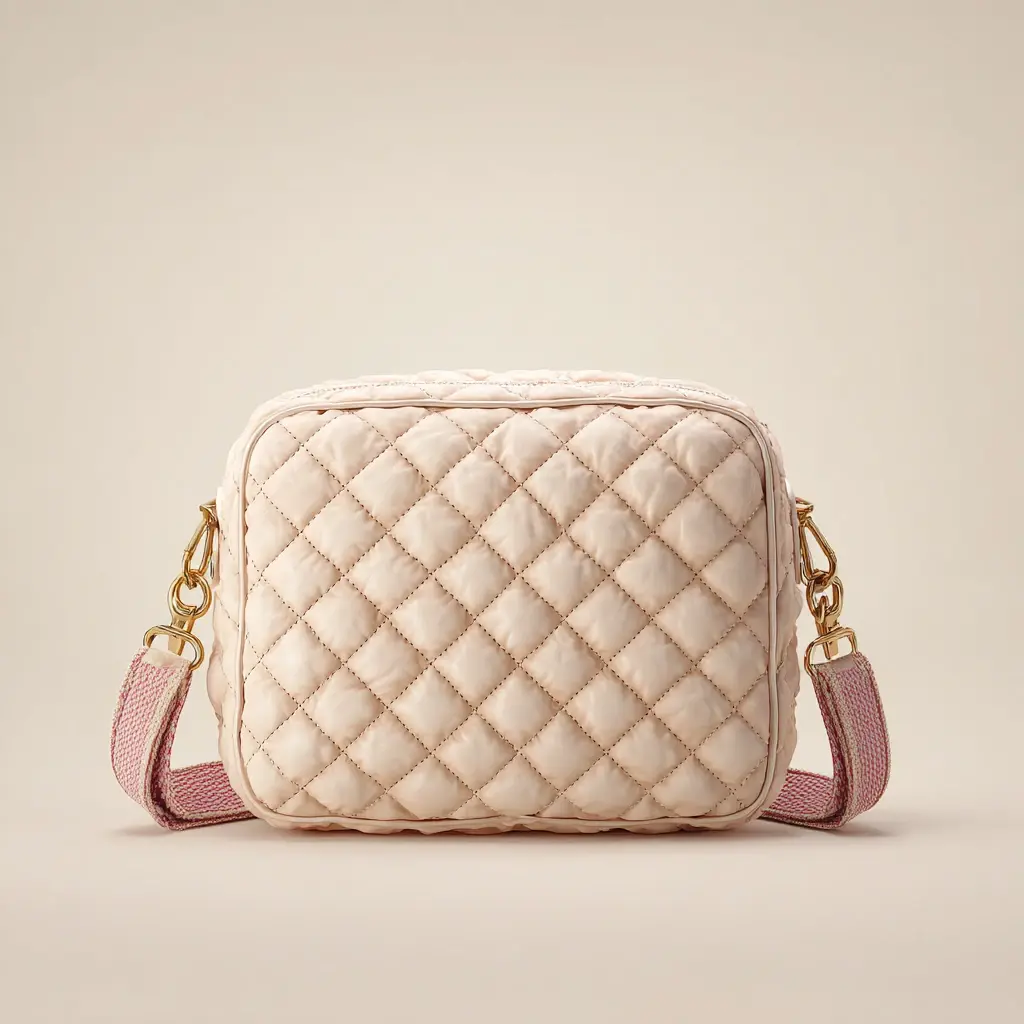
A repeat order is not one thing. A brand that sold out of a structured tote and wants 2,000 more in the same hide and the same hardware is asking for something completely different from a brand that wants the same tote in five colourways, or the same tote with a new closure. The first case is a production order; the second is three production orders sharing a pattern; the third is a development project wearing the clothes of a repeat. Sorting which one applies takes five minutes and decides whether the calendar is 40 days or 70.
Take the branch decision in this order, because each question either ends the analysis or passes it down: has the specification changed at all; has the material changed; has the pattern changed; has the hardware changed; and has the quantity crossed the threshold where capacity has to be held rather than requested. Everything else — packaging tweaks, hangtag revisions, barcode updates — is administrative and does not change the branch.
Branch One: Identical Repeat, No Sampling
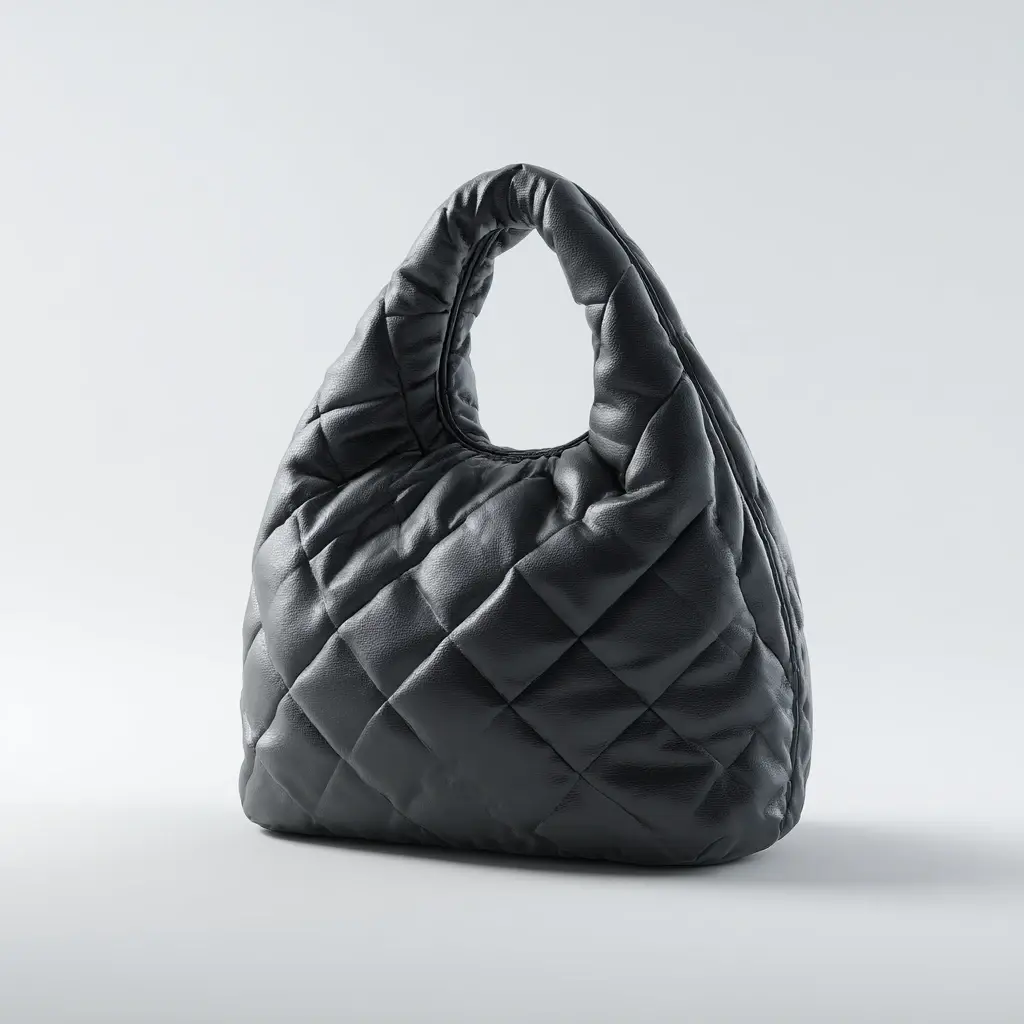
This is the cheapest branch and the one most brands fail to claim, usually because nobody kept the record that proves the repeat is identical. What should exist after the first run is a stored specification with revision number, retained tooling, an approved dye-lot reference and a hardware approval sample. With those four artefacts the repeat can go straight to bulk, removing 6-10 working days of sampling and 3-6 days of review.
- Stored specification. One document with a revision number, dimensioned in millimetres and unchanged since the last approval.
- Retained tooling. Embossing die, plate and any hardware mould still in storage and still exclusive to the label.
- Approved material reference. A physical swatch, not a photograph, matched to a Pantone TCX reference at Delta E 2.0 or better.
- Approved hardware sample. A retained piece with the plating specification and the corrosion test record attached.
The saving is real but modest in isolation: roughly 9-16 days off a 55-80 day cycle. Its value compounds, because a repeat that skips sampling also skips the two revision rounds that most first orders absorb, and because the material is already approved the buying step collapses from 2-4 days to under one.
Branch Two: New Colourway, Same Pattern
A new colourway on a proven pattern is the most attractive growth move available, and it is frequently mispriced. Each colourway is its own dye lot or coating run, so MOQ 500 pcs applies per style and per colourway — five colourways is 2,500 pieces, not 500 split five ways. Pattern making and grading are already done, so no cutting die is needed, but the material has to be confirmed and the shade has to be matched against the approved standard.
- Confirm the substrate first. The same hide in a new colour behaves differently in cutting; yield can move by 3-5 percent between shades of the same article.
- Match against the retained swatch. Delta E 2.0 or better under a defined light source, recorded on a physical card.
- Re-test chemistry on the new shade. Dyed leather and coated material are tested against REACH Annex XVII restrictions on chromium VI and azo dyes before bulk.
- Book the dye lot early. A colourway added late shares a production slot with the base colour, which is usually fine, but the tannery needs its own lead time.
The trap here is assuming the new colourway can ride the same purchase order. It can share the slot, but it cannot share the dye lot, and the two runs are inspected separately under the same AQL 2.5 standard. Where a programme runs four or more colourways, the administrative load of separate lots is the reason to sequence them across the season rather than ordering all four at once.
Branch Three: New Silhouette, Proven Platform
The third branch is where the word repeat stops being accurate. A new silhouette that shares a platform — same body construction, same hardware family, same interlining approach — is still a development project: pattern making, a cutting die if the panel profile is new, a first sample, a revision round and only then bulk. Budget two sample rounds rather than one, because the first sample of a new shape almost always reveals a proportion issue that no drawing anticipated.
| Stage | Days | What is produced | What can slip |
|---|---|---|---|
| Pattern and grading | 3-6 | Pattern set and a graded size run if needed | Unclear dimensions |
| Cutting die | 3-6 | Steel-rule die for a new panel profile | Released after approval |
| First sample | 6-10 working days | One bag in the confirmed material | Material not yet on hand |
| Revision round | 4-8 | Revised sample against a numbered list | Feedback given verbally |
| Bulk | 35-50 | The run itself | Late change requests |
| Inspection | 3-6 | AQL 2.5 report and release | Inspection not booked |
Read the table top to bottom and the total is 54-86 days before transit. That is the honest number for adding a silhouette, and it is why the decision to add one should be made roughly a quarter before the season it is meant to serve. The real timeline from idea to delivery walks the same path in more detail, and the sample revision process explains how to keep the revision count at two.
Branch Four: Volume Jump Needs Reserved Capacity
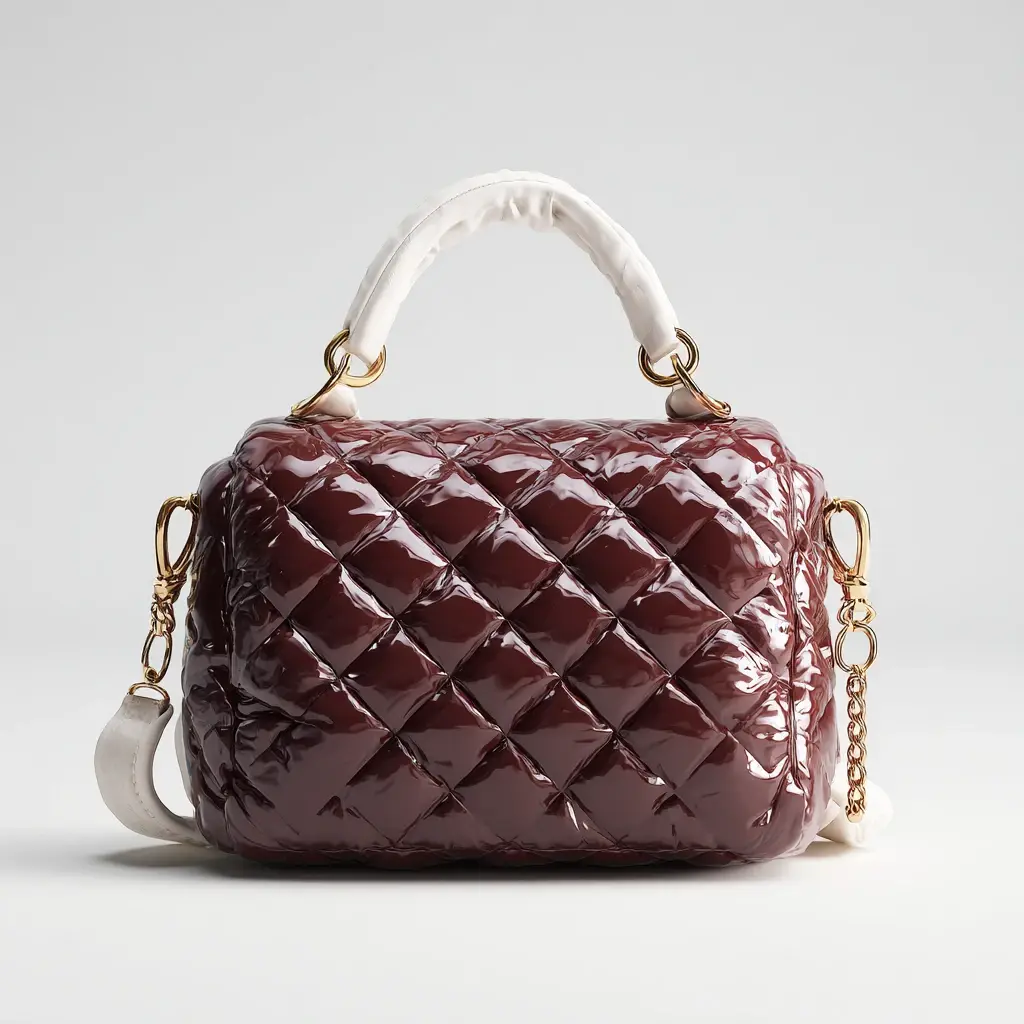
At a certain point the question stops being whether a run can be made and becomes whether a slot can be held. The threshold is around 5,000 pieces across a season: below that, an order enters the queue and gets a slot; above it, the order needs capacity allocated in advance, because a 5,000 piece run occupies a line for a meaningful share of a month and cannot simply be fitted around whatever is already booked.
Reserved capacity changes three things. The price can be held for the season rather than for the order, which protects against material moves between runs. The slot survives a late specification tweak, because the line is committed. And the programme gets a planning contact who can see the board rather than a sales inbox. None of this requires a contract with volume penalties; it requires a forecast that is honest about the season, given 60 days ahead.
What Capacity Means in Lines and Days
Capacity is often quoted in pieces per month and understood as a promise. It is better understood as lines multiplied by days, because what you are actually buying is a line for a number of days. Seven lines at about 200,000 pcs per month is roughly 28,500 pieces per line per month, or about 1,300 pieces per line per working day — but only for a construction the line already knows.
- Changeover costs time, not money. Setting a line for a pattern takes 4-6 hours, which is why two 500 pcs orders cost more line time than one 1,000 pcs order.
- Operation count sets throughput. A structured tote passes through 38-52 sewing operations; a simple flat tote through 18-24. The same line produces very different daily output.
- Yield sets material demand. A tote consumes 1.4-1.9 sq ft of hide depending on panel layout, so quantity planning has to start at the cutting table.
- Finishing is the bottleneck. Edge painting, hardware setting and final inspection are where runs queue, not at the sewing machines.
Two practical consequences follow. First, a 2,000 piece order of a known construction occupies one line for roughly 5-7 days including changeover and finishing, which is why it rarely needs reserving. Second, a 5,000 piece order occupies it for 12-16 days, which is why it does. Anything above that should be split across lines, and splitting is easier to arrange when the forecast arrives early.
The Numbers That Trigger Each Branch
The decision tree only helps if the triggers are numbers rather than impressions. The table below is the version worth keeping: each branch with the quantity, the change type and the action it implies.
| Branch | Trigger | Calendar impact | Action |
|---|---|---|---|
| Identical repeat | Specification and material unchanged | -9 to -16 days | Skip sampling, go to bulk |
| New colourway | 500 pcs per colourway, new dye lot | +2 to +4 days | Confirm substrate, re-test chemistry |
| New silhouette | New pattern or cutting die | +18 to +30 days | Budget two sample rounds |
| New hardware | New mould, 15-25 days tooling | +15 to +25 days, parallel | Release tooling with deposit |
| Volume jump | Above ~5,000 pcs per season | Slot allocation | Reserve capacity 60 days ahead |
| Peak season | August to October dispatch | +7 to +14 days | Book before the rush |
The last row is the one that catches brands most often. Capacity is not evenly available across the year: the autumn shipping rush and the weeks around Chinese New Year tighten the board, and a slot that takes five days to confirm in March can take three weeks to confirm in September. Programmes coordinated through our validated partner factory Quanzhou Yingming Bags have been shipping since 2014, and the pattern is consistent every year.
How to Book a Slot Before You Need It
Booking is a document, not a conversation. A slot request that can be actioned contains the silhouette reference, the quantity per colourway, the material direction, the target dispatch week and the destination, and it arrives 60 days before the goods are needed. Everything else can follow; those five items are what the planning board needs.
- Send a seasonal forecast, not a single order. Quantities by month are enough; precision is not required, direction is.
- Name the dispatch window, not the launch date. Working backwards from a launch hides the transit leg, which is 18-28 days to the US West Coast and 30-38 days to Northern Europe by sea.
- Book when the deposit moves. A slot requested at sample approval is a slot requested after the board has filled.
- Hold the specification once booked. Late changes on a reserved slot cost the same as late changes anywhere else.
- Confirm the inspection date at booking. Pre-shipment inspection at AQL 2.5 under ISO 2859-1 takes 1-2 days and needs a pencilled date.
One last piece of arithmetic makes the whole tree worthwhile. A brand running 2,000 pieces twice a year, with an unchanged specification and a forecast sent 60 days ahead, spends no time sampling, gets priority on the board and can hold a price across the season. A brand placing two ad-hoc orders of 2,000 pieces pays for two sample rounds, queues twice and re-quotes twice. The difference over a year is 20-30 days of calendar and a measurably better unit price — for the cost of one forecast email. The custom handbags pillar page sets out how the programme is structured, and the MOQ question for custom work covers the quantity floor each branch sits on.
Material Booking: The Constraint Behind the Slot
A production slot is held by a calendar date, but what fills it is material, and material carries lead times longer than most brands expect. A dyed hide lot at a tannery is commonly reserved 15-25 days ahead, and 30-40 for a shade being matched for the first time. Hardware in a custom plating colour needs its bath scheduled, and a zip chain in a non-stock tape colour is ordered in weeks. The consequence for the calendar is that the deposit should move before the sample is approved, because the material reservation sits behind the slot rather than inside it. Reserve early, confirm late.
- Dyed hide reservation. 15-25 days, and 30-40 for a first match on a new shade at Delta E 2.0 or better.
- Custom plating bath. Ten to eighteen days including the first article, scheduled by the plating line rather than by the order.
- Non-stock zip chain. Three to five weeks in a dyed-to-match tape, against a few days for a stock #5 coil.
- Lining and interlining. Stock 210D is immediate, while a dyed-to-match lining adds two to three weeks.
What One Line Produces in a Shift
Capacity quoted in pieces per month is an average across a mixed calendar, and it hides the two things a brand is actually buying: a line and the days on it. A line running a structured tote at 38-52 operations turns out a different number from one running a flat tote at 18-24, and the gap is not a rounding error. Labour minutes follow the operation count almost linearly, so the honest measure is operations per shift rather than pieces per month. Two practical consequences follow for a scaling brand, and neither is visible on a quotation.
- Operations per shift. A structured tote at 38-52 operations and a flat tote at 18-24 are two different lines on the same day.
- Changeover. Four to six hours to set a pattern, which is why two 500 pcs orders take more line time than one at 1,000.
- Finishing queue. Edge work, hardware setting and final inspection are where runs wait, not at the sewing machines.
- Known construction. The second run of a stored pattern loses the sampling stage, not the sewing minutes.
Holding the Standard While Volume Doubles
Volume is easy to add and the standard is easy to lose while adding it, so the second and third runs need three checks the first run did not. A first-article check at the start of bulk, taken before the tenth piece finishes rather than after the hundredth. A standard held at the same acceptance level even when the lot is larger and the sample size grows with it. And a retained physical reference, because the commonest volume failure is a substitute material arriving inside a busy schedule. The numbers behind the defect rates an acceptance level allows are worth reading before the lot doubles.
- First-article check. Before the tenth piece at the start of bulk, when a correction still costs one bag.
- Sample size follows the lot. A 501-1,200 piece lot at general level II draws 80 pieces; 3,201-10,000 draws 200.
- Retained reference. The physical swatch and the approved hardware sample, compared at every lot rather than at the first.
- Named defect types. Three usually account for most failures, and they are worth tracking by name between runs.
Send a seasonal forecast, get a slot
Share silhouettes, quantities per colourway and a target dispatch window. A private label coordinator will tell you which branch the repeat sits on, whether sampling can be skipped, and which line week can be held — bulk 35-50 days, inspection AQL 2.5. Get a quote.
Frequently Asked Questions
How much can production scale after a first launch?
Capacity coordinated for these programmes runs at 7 production lines and about 200,000 pcs per month, which is roughly 28,500 pieces per line per month. What matters for scaling is not the headline figure but whether a slot can be held: below about 5,000 pieces in a season an order enters the queue, above it the line should be reserved with a forecast 60 days ahead.
Can I skip sampling on a repeat order?
Yes, where the specification is unchanged and three artefacts exist: a stored specification with a revision number, retained tooling in storage, and an approved physical material swatch. That removes 6-10 working days of sampling and 3-6 days of review, which is the single largest saving available to a second order.
Does a new colourway count as a new order for MOQ purposes?
Yes. MOQ is 500 pcs per style and per colourway, because each colourway is a separate dye lot or coating run with its own production minimum. Four colourways of one silhouette is 2,000 pieces, and each lot is inspected separately under the same AQL 2.5 standard.
How much longer does a new silhouette take than a repeat?
About 18-30 days longer. Pattern making and grading take 3-6 days, a cutting die for a new panel profile 3-6 days, the first sample 6-10 working days, and a revision round 4-8 days. Budget two sample rounds, because the first sample of a new shape usually reveals a proportion issue no drawing anticipated.
What quantity triggers the need to reserve production capacity?
Around 5,000 pieces across a season. Below that an order takes a slot from the queue; above it the order occupies a line for 12-16 days including changeover and finishing, which needs to be allocated in advance. Reserving also allows a price to be held for the season rather than for a single order.
How long does a production line take to change over?
Four to six hours to set a line for a pattern, which is why two 500 pcs orders consume more line time than one 1,000 pcs order. Daily output then depends on operation count: a structured tote passes through 38-52 sewing operations while a simple flat tote passes through 18-24.
When is capacity hardest to book?
During the autumn shipping rush and around Chinese New Year. A slot that confirms in five days during March can take three weeks to confirm in September, so a forecast sent 60 days ahead is the most reliable way to protect a dispatch window through both periods.
What should a slot booking request contain?
Five items: the silhouette reference, quantity per colourway, material direction, target dispatch week and destination. Those are what the planning board needs; everything else can follow. Send it when the deposit moves rather than at sample approval, because the board fills in between.
Does reserving capacity change the unit price?
It can, in two ways. Material can be bought against a seasonal forecast rather than a single order, which protects against price movement, and a price can be held for the season instead of re-quoted per order. It does not require a contract with volume penalties — only an honest forecast.
How much material does one tote consume?
Between 1.4 and 1.9 sq ft of hide depending on panel layout and how the panels nest, with yield moving by 3-5 percent between shades of the same article. Quantity planning should therefore start at the cutting table rather than at the sewing line, especially when a new colourway is added.
What happens if I need to change the specification after booking a slot?
The slot survives, but the change costs the same as it would anywhere else. A change that requires new tooling adds 15-25 days, and one that changes material restarts the confirmation step. Once a slot is booked, freezing the specification is the cheapest decision available.
How is a scaled-up run inspected?
At AQL 2.5 under ISO 2859-1, which sets how many units are drawn from a lot of your size and how many defects of each class trigger a pass, a fail or a re-sort. Third-party inspection by SGS is available on request, and the written report is issued to the buyer rather than summarised.
People Also Ask
Is it better to run one large order or several small ones?
One large order, almost always. Line changeover takes four to six hours and finishing queues regardless of run size, so a single 2,000 piece order uses less line time than four 500 piece orders and usually prices better per piece.
Should I add colourways or silhouettes first when scaling?
Colourways. A new colourway on a proven pattern adds two to four days, while a new silhouette adds 18-30 days and two sample rounds. Colourways also reuse the existing cutting die and tooling, so the risk sits in the material rather than in the pattern.
How far ahead should a seasonal forecast be sent?
Sixty days before the goods are needed is the working rule, and ninety is better through peak season. The forecast only needs direction by month rather than exact quantities, because the planning board is allocating line weeks rather than placing material orders.
What is the single biggest cause of a missed season?
Treating a new silhouette as a repeat. That mistake removes 18-30 days from the plan before anyone notices, and by the time the first sample comes back needing revision the dispatch window has already closed.
Sources and further reading
Every figure on this page is either our own programme data or attributed below. Open the originals before you write them into a specification.
- SATRA — technical services for leather, footwear and accessoriesSATRA Independent leather, hardware and accessories testing protocols.
- Innovation in TextilesInnovation in Textiles Material and coating developments relevant to bag specifications.
- World Intellectual Property OrganizationWIPO International trademark and design registration before tooling starts.