Best OEM Handbag Categories for Amazon and DTC Brands
Which OEM handbag categories work best for Amazon and direct-to-consumer brands? Nine survive the five requirements, and the ones that do share three properties: they ship flat, they photograph well without styling, and their returns are cheap. The two channels reward opposite things, and a category chosen for one will underperform in the other: a marketplace rewards dimensional efficiency and review volume, while a direct store rewards unboxing and a low return rate. A 1.5 mil polybag, a 63.5 cm maximum carton side and a 22.7 kg weight limit decide the shortlist before any design preference is applied.
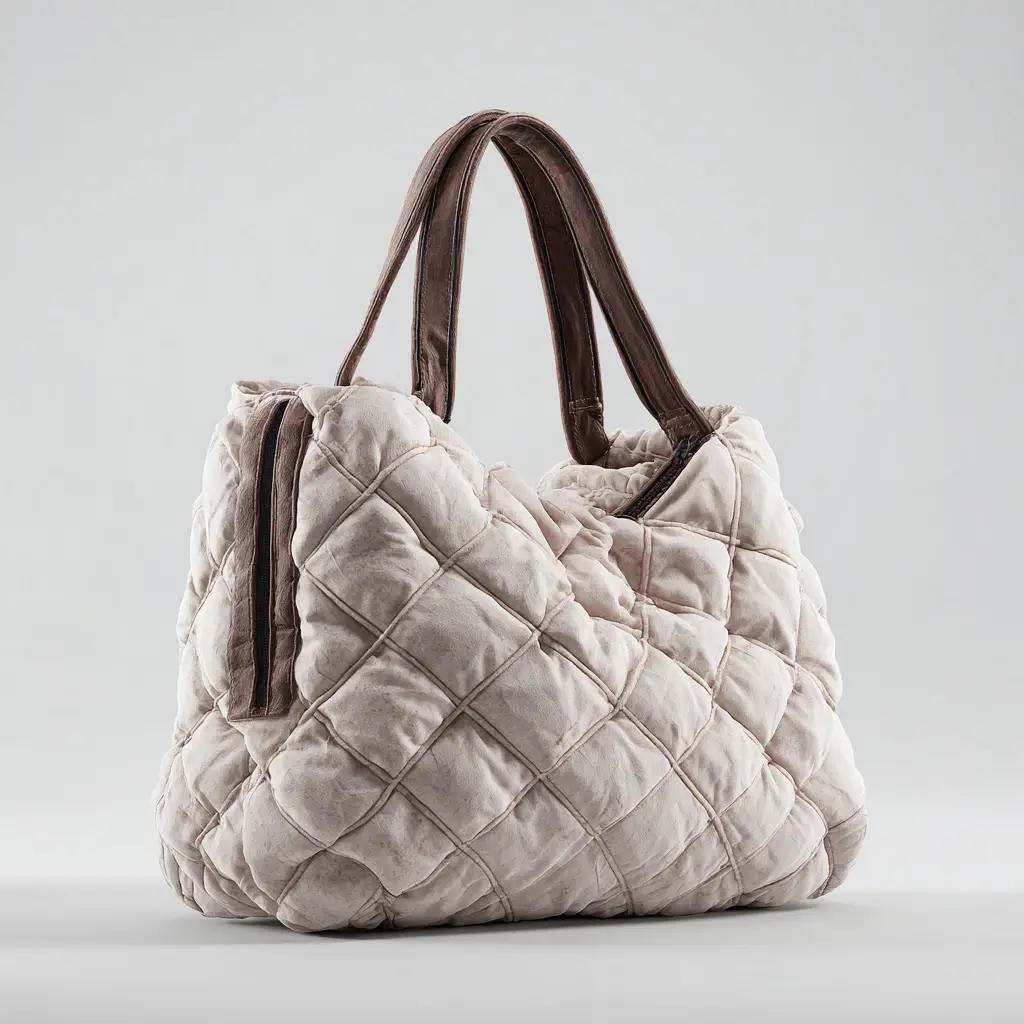
- Nine Categories, Checked Against Five Requirements
- The FBA Readiness Checklist
- The DTC Readiness Checklist
- Categories That Struggle on a Marketplace
- Categories That Struggle Direct to Consumer
- What the Two Channels Demand Differently
- Sizing the First Drop by Category
- Construction Checks That Follow the Category
- Review and Return Drivers by Category
- The Category Brief to Send
- The Fee Stack Each Category Has to Carry
- Cube per Category: What 500 Pieces Ships As
- The First Ninety Days After a Category Launches
- Building the Second Drop From the First
Which OEM handbag categories work best for Amazon and direct-to-consumer brands? Nine survive the five requirements, and the ones that do share three properties: they ship flat, they photograph well without styling, and their returns are cheap. The two channels reward opposite things, and a category chosen for one will underperform in the other: a marketplace rewards dimensional efficiency and review volume, while a direct store rewards unboxing and a low return rate. A 1.5 mil polybag, a 63.5 cm maximum carton side and a 22.7 kg weight limit decide the shortlist before any design preference is applied.
The nine categories and the channel numbers
Nine Categories, Checked Against Five Requirements
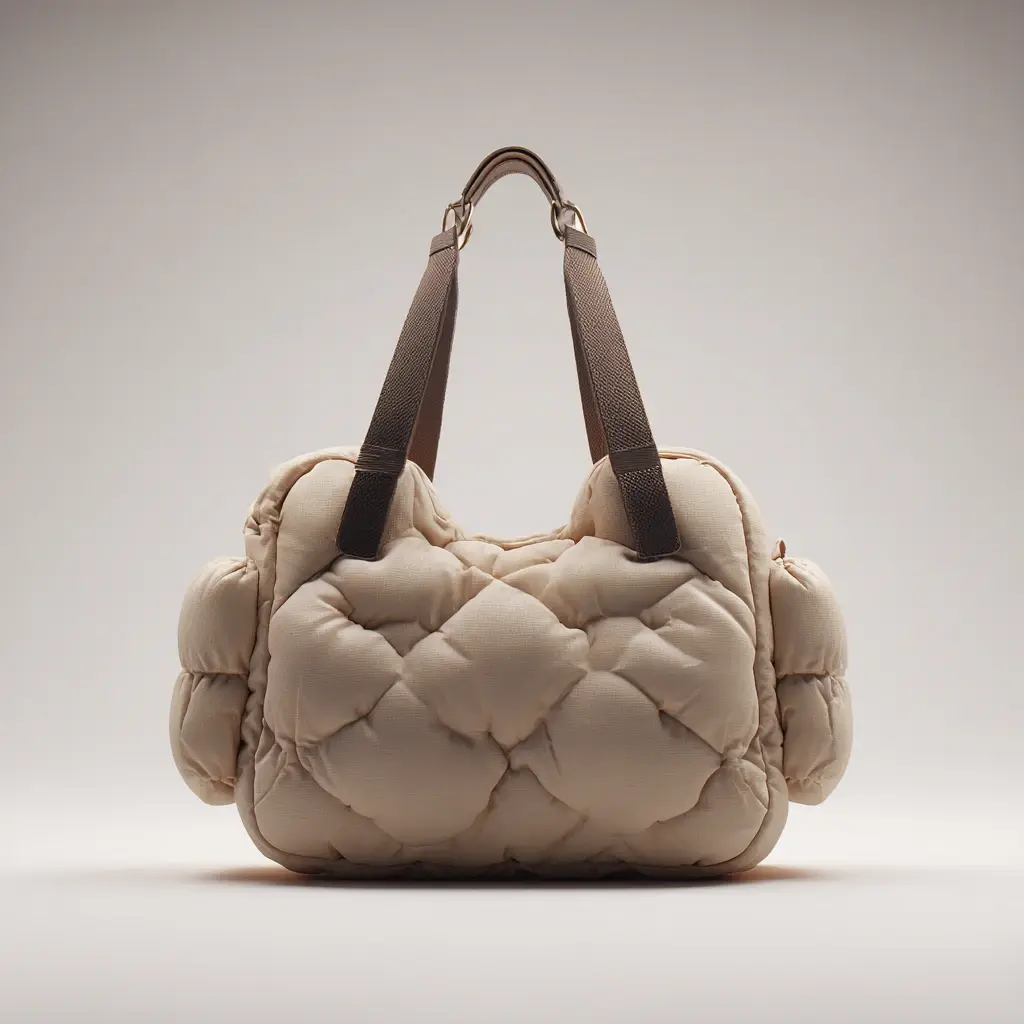
The five requirements are: dimensional efficiency, photographic legibility, return cost, retail band and construction risk. A category that fails two of them is viable somewhere but not in these two channels, and the table is where most of the shortlisting should happen rather than in a sample room.
| Category | Ships flat | Photographs | Return cost | Retail band | Verdict |
|---|---|---|---|---|---|
| Tote, 34-42 cm | Yes, folded | Strong | Low | 49-129 USD | Both channels |
| Crossbody, 24-28 cm | Yes | Strong | Low | 39-99 USD | Both channels |
| Shoulder, 26-34 cm | Partly | Strong | Medium | 59-149 USD | Both channels |
| Bucket, 20-26 cm | No | Strong | Medium | 59-139 USD | DTC first |
| Day backpack, 30-38 cm | Partly | Medium | Low | 69-159 USD | Marketplace first |
| Sling, 16-22 cm | Yes | Medium | Low | 29-79 USD | Both channels |
| Hobo, 30-38 cm | Partly | Strong | Medium | 69-159 USD | DTC first |
| Satchel, 28-36 cm | No | Strong | High | 89-199 USD | DTC only |
| Briefcase, 38-42 cm | No | Medium | Medium | 99-249 USD | DTC only |
Read across the Verdict column and the shortlist organises itself. Five of the nine work in both channels, two are better direct to consumer and two are direct only. Not one of the nine is marketplace only, because the marketplace constraints are pack constraints rather than design constraints and almost any shape can be made to satisfy them.
The FBA Readiness Checklist
Twelve checks, and each exists because a shipment was once refused for it. The pack rules are receiving conditions rather than suggestions, and none of them are visible on a product page, which is why they are the ones that get forgotten.
- A polybag of at least 1.5 mil thickness, which is the receiving condition rather than a preference.
- A suffocation warning on any polybag opening above 12.7 cm, printed in the market language.
- An FNSKU label on every unit, scannable and placed where it can be read at the receiving dock.
- A maximum carton side of 63.5 cm, because an oversized carton is a refused appointment.
- A carton weight at or below 22.7 kg, which is the handling limit rather than a shipping one.
- Carton marks with the shipment identifier, so the carton can be located before it is opened.
- A 5-ply carton at 32 ECT for anything that will be stacked more than two high.
- Dimensional weight calculated at the 5,000 divisor, because air and express carriers bill on volume.
- A photograph that matches the listing exactly, since a mismatch is a returns driver as much as a policy one.
- A flat-pack presentation where the category allows it, which is the cheapest dimensional saving available.
- A barcode on the hangtag or the polybag for any unit that will also be sold through a retail channel.
- An inspection report at AQL 2.5 under ISO 2859-1, held on file for any listing question that follows.
The eighth is the one that surprises people. A 34-42 cm tote folded flat and a 20-26 cm bucket shipped as a cube can fall into different size tiers for the same weight, and the tier decides the fee. The MOQ quantities that sit behind a first drop determine how many units move through each tier.
The DTC Readiness Checklist
Ten checks for a direct store, and the emphasis shifts from receiving conditions to what happens after the parcel is opened. A direct customer returns a bag for reasons a marketplace customer never states.
- A mailer sized to the folded bag, typically 350 x 450 mm for a tote or a shoulder shape.
- A branded dust bag, which is the cheapest unboxing signal available and the most reused.
- A hangtag with care instructions, which reduces a category of return that is otherwise pure loss.
- A photograph showing the bag worn, because strap drop is the most common reason for a size return.
- A stated capacity in litres, which converts browsing into a decision at the listing stage.
- A construction specification the customer can feel: 7-9 stitches per inch with a 10 mm seam allowance.
- Hardware that does not tarnish, nickel-free at 8-12 microns and 24 hours to first corrosion under ASTM B117.
- A return window stated before purchase, since an unstated window becomes a dispute.
- A lining that survives the contents, 210D at 68 gsm where the bag carries weight.
- A packing height under 10 cm where possible, which is the postal threshold that changes the rate.
The fourth and fifth are the two that most reduce returns, and both are content decisions rather than product decisions. An Austin direct-to-consumer brand cut its size-related returns from 14% to 6% in 2025 by adding a worn photograph and a stated capacity, and changed nothing about the bag.
Categories That Struggle on a Marketplace
Three categories are structurally weak on a marketplace, and the reasons are economic rather than aesthetic. Each can be sold there; each is harder there than it needs to be.
- Structured satchels and framed shapes, which cannot be flat-packed and therefore carry a higher dimensional fee per unit.
- Very large totes above 42 cm, which cross a size tier and lose the price advantage the category had.
- Heavy constructions with moulded or quilted panels, where the weight crosses the 22.7 kg carton limit sooner and the carton count rises.
The common thread is volume. A marketplace charges on the space a bag occupies and not on the bag it contains, and a shape that cannot be compressed pays that charge on every unit it sells.
Categories That Struggle Direct to Consumer
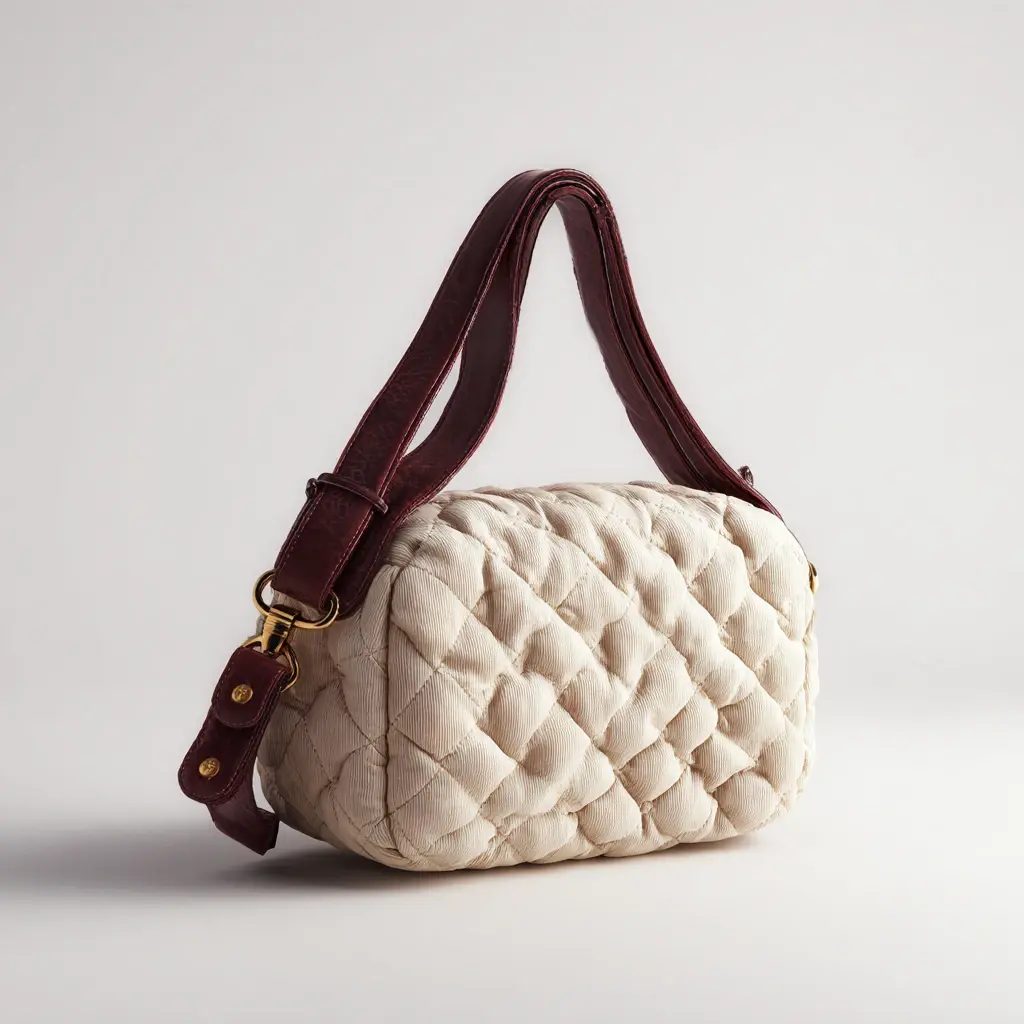
The reverse list is shorter and less obvious. Two categories are harder direct, and both suffer because their appearance on screen does not match the object that arrives.
- A 30-38 cm day backpack, where capacity and fit are the two things a customer cannot judge from a photograph.
- A 16-22 cm sling, which is a category bought on fit and returned on fit, and a shape many customers have never worn.
Both can be fixed with content rather than with construction: a worn photograph, a stated capacity and a strap dimension in centimetres. Neither is fixed by a better product, which is the uncomfortable part of the finding.
What the Two Channels Demand Differently
| Requirement | Marketplace | Direct to consumer |
|---|---|---|
| Pack | 1.5 mil polybag, FNSKU, 63.5 cm carton side | Branded dust bag, 350 x 450 mm mailer |
| Presentation | Flat and compressed | Presented as a gift |
| Colour range | One colourway, deep | Two or three colourways, shallow |
| Photography | On a plain background, exact match | Worn, with scale and capacity |
| Return driver | Dimensional surprise and mismatch | Size, strap drop and capacity |
| Branding | On the product, legible in a thumbnail | On the packaging as much as the product |
The fourth row of the colour range is the one that changes the order quantity. A marketplace needs depth in one colourway; a direct store needs two or three colourways of one shape, and at 500 pcs per style and colourway the difference is 500 pieces against 1,500.
Sizing the First Drop by Category
| Category | Pieces | Colourways | Reason |
|---|---|---|---|
| Crossbody 24-28 cm | 500 | 1 | The cheapest entry and the highest review volume |
| Tote 34-42 cm | 500 | 1 | The widest retail band and the best margin |
| Sling 16-22 cm | 500 | 1 | Low unit cost, easy to flat-pack |
| Total | 1,500 | 3 shapes, 1 colourway each | One material buy across three patterns |
Three shapes in one shared colourway is the drop that reads as a range without multiplying the dye lots. Two colourways of one shape costs the same 1,500 pieces and produces one SKU worth of variety, which is why the shape-first allocation is the better first move in both channels.
Construction Checks That Follow the Category
Each category has a construction failure that is specific to it, and naming the failure in the specification is what makes it inspectable. Five checks cover the nine categories.
- Tote and shoulder: the strap attachment, tested at a 15 kg static load held for 30 minutes with the seam inspected afterwards.
- Crossbody and sling: the slider and the webbing, reciprocated over 500 cycles at the width specified.
- Bucket: the base reinforcement and the drawcord channel, which are the two places a loaded bucket fails.
- Backpack: the shoulder strap attachment and the top handle, both at the same 15 kg load.
- Satchel and briefcase: the flap and the closure, where a magnet below N42 at 20 x 3 mm will not hold a loaded flap shut.
All five are measurable, and all five belong in the purchase order rather than in a conversation. Stitch density at 7-9 stitches per inch with a 10 mm seam allowance and Tex 40 thread is the common baseline across every one of them.
Review and Return Drivers by Category
| Category | Main complaint | Fix in the specification |
|---|---|---|
| Tote | Strap too short for the shoulder | State the drop in centimetres and photograph it worn |
| Crossbody | Slider jams or webs slip | 500-cycle reciprocation test at the specified width |
| Bucket | Base loses shape when loaded | Reinforce at 0.9 mm bonded non-woven |
| Backpack | Capacity smaller than it appeared | State the capacity in litres |
| Sling | Does not fit as expected | Photograph it worn at the stated strap length |
Four of the five fixes are content or specification, and one is construction. That ratio is the most useful thing in this article: most of what a customer calls a product problem in this category is a description problem, and it is cheaper to fix in the listing than in the tech pack.
The Category Brief to Send
- The primary channel, marketplace or direct, because it decides the pack and the colourway depth.
- Two or three categories, with a working size for each in centimetres.
- The target retail price per SKU, which decides what is affordable in each category.
- The pack requirement, FBA prep or a branded dust bag, stated at brief stage rather than at packing.
- The branding method and position, at a minimum panel width of about 55 mm to remain legible.
- The compliance set for the destination market: REACH, Proposition 65, CPSIA where relevant, and BSCI or Sedex audit references.
Six items, and the shortlist that comes back will already have been filtered for the channel rather than merely for the catalogue. The shelf style tweaks that differentiate a shape are the cheapest way to make any of the nine read as an own range, and the full OEM programme reference carries the document set.
The Fee Stack Each Category Has to Carry
A category does not earn its retail band, it has to pay for it. Between the selling price and the contribution sits a stack that varies by size tier and by channel: a referral percentage on the selling price, a fulfilment or parcel charge that moves with the size tier, storage on the units sitting unsold, payment processing on a direct store, and a returns allowance. The stack takes a larger share at 39 USD than at 99 USD, which is why the entry categories are also the tightest.
| Band | Referral and processing | Fulfilment or parcel | Returns allowance | Left for goods and overhead |
|---|---|---|---|---|
| 39-49 USD | 15-18 percent | 22-28 percent | 6-9 percent | 45-57 percent |
| 59-79 USD | 15-18 percent | 18-23 percent | 5-7 percent | 52-62 percent |
| 99-129 USD | 15-18 percent | 13-17 percent | 4-6 percent | 59-68 percent |
Read the last column as the real ceiling on the unit price. A brand selling a 34-42 cm tote at 79 USD is working with roughly 40-49 USD of goods and overhead, so a landed unit of 21.40 USD has to leave room for packaging, freight-in, photography, commission and margin before it leaves anything for the brand.
Cube per Category: What 500 Pieces Ships As
Two categories at the same unit price can land at very different costs, because they occupy different amounts of a container. The variable is not weight but cube: a flat-folded tote and a bucket shipped as a cube differ by a factor of about three in volume per unit, and consolidated freight is billed at 65-110 USD per cubic metre on weight or measure. Worth computing per category before the shortlist is final.
| Category | Packed state | Pieces per 60 x 40 x 40 cm carton | Cube per 500 pcs | Freight per piece |
|---|---|---|---|---|
| Tote 34-42 cm | Folded flat | 24-30 | 1.7-2.1 cubic metres | 0.85-1.10 USD |
| Crossbody 24-28 cm | Flat, nested | 40-50 | 1.0-1.3 cubic metres | 0.55-0.75 USD |
| Bucket 20-26 cm | Stuffed, as a cube | 14-18 | 2.8-3.6 cubic metres | 1.30-1.75 USD |
| Satchel 28-36 cm | Rigid, cannot fold | 10-14 | 3.6-5.0 cubic metres | 1.70-2.35 USD |
The First Ninety Days After a Category Launches
The first ninety days decide whether a category earns a second drop, and the decisions inside that window are about data rather than about the bag. Review volume, return reason codes and sell-through rate each need a threshold and a date attached, because a category reviewed in week fourteen has already missed the reorder window for the season.
- Weeks one to four. Confirm the listing matches the unit exactly, and read the first twenty returns for a pattern before it becomes a rate.
- Weeks five to eight. Sort return reason codes against the specification; strap drop, capacity and closure function account for most early returns.
- Weeks nine to twelve. Compare sell-through against the reorder trigger, usually 60 per cent of a lot, and place the second drop inside the 35-50 day bulk window.
- At week twelve. Write one line per category, carry or refresh or retire, with the number that decided it.
Building the Second Drop From the First
The second drop should be chosen by which role the first one failed to fill. Where the hero sold through and the volume style did not move, the second drop adds a colourway to the hero rather than a new shape, because a new colourway costs no tooling while a new silhouette costs a pattern, a die and two or three sample rounds. The MOQ tiers at 300, 500 and 1,000 pieces set out what each step up in quantity actually buys.
Shortlist by channel, not by catalogue
Send the primary channel, two preferred categories and the target retail band. A private label coordinator will return a shortlist with pack-ready specification, sampling at 6-10 working days, bulk at 35-50 days and inspection at AQL 2.5 under ISO 2859-1. Programmes have moved through our validated partner factory Quanzhou Yingming Bags since 2014, across 7 production lines and about 200,000 pcs per month. Get a quote.
Frequently Asked Questions
Which OEM handbag categories work best for Amazon?
The ones that ship flat and stack cheaply: a 34-42 cm tote, a 24-28 cm crossbody, a 16-22 cm sling and a 30-38 cm day backpack. Each meets the receiving conditions of a 1.5 mil polybag, a 63.5 cm maximum carton side and a 22.7 kg weight limit without a dimensional penalty.
What are the FBA pack rules for handbags?
A polybag of at least 1.5 mil thickness, a suffocation warning printed on any opening above 12.7 cm, an FNSKU label on every unit, a maximum carton side of 63.5 cm and a carton weight at or below 22.7 kg. Each is a receiving condition, and a failure on any one of them can hold the appointment.
Which categories are better direct to consumer than on a marketplace?
A 20-26 cm bucket, a 30-38 cm hobo, a 28-36 cm satchel and a 38-42 cm briefcase. The first two are awkward to compress and the last two are structurally expensive to ship, and all four reward the unboxing that a direct store can provide and a marketplace cannot.
How many pieces should a first drop carry?
1,500 pieces across three categories in one shared colourway, at 500 pcs per style and colourway. The same 1,500 across two colourways of a single shape produces one SKU worth of variety, while three shapes sharing a dye lot reads as a range on one material buy.
What causes most handbag returns in this category?
Description mismatches rather than defects: a strap drop that is shorter than it appeared, a capacity smaller than it looked, and a slider that jams. Four of the five most common complaints are fixed in the listing or the specification rather than in the construction.
How does a bucket bag differ from a tote in shipping?
A 34-42 cm tote folds flat and a 20-26 cm bucket ships as a cube, which can place them in different size tiers at the same weight. Dimensional weight is calculated at the 5,000 divisor, so the volume a bag occupies decides the fee as much as the weight does.
What mailer size suits a direct-to-consumer handbag?
About 350 x 450 mm for a folded tote or shoulder shape, with a packing height under 10 cm where possible because that is the postal threshold that changes the rate. A branded dust bag inside the mailer is the cheapest unboxing signal available.
Which construction checks follow each category?
Totes and shoulder bags need the strap attachment tested at a 15 kg static load held for 30 minutes, crossbodies need 500 slider cycles, buckets need a 0.9 mm bonded base reinforcement, backpacks need the same load test on the strap and handle, and satchels need a magnet of at least N42 at 20 x 3 mm.
Should the first order carry one colourway or two?
One, in three shapes. A marketplace needs depth in a single colourway anyway, and a direct store can add the second colourway to the shape that earns it once sell-through data exists, which is the cheaper order to do it in.
How is a marketplace photograph different from a direct one?
A marketplace photograph is on a plain background and must match the listing exactly, because a mismatch is a returns driver. A direct photograph shows the bag worn, with scale and a stated capacity, which is what reduces size-related returns.
What branding panel is needed for a legible mark?
About 55 mm of width for a mark at 6-8 mm cap height. Below that the mark stops reading at a distance and in a marketplace thumbnail, and the shape becomes a plain bag with a hangtag no matter how good the embossing is.
Which documents should accompany a marketplace or DTC shipment?
REACH Annex XVII test reports, a Proposition 65 review for California, CPSIA documentation where relevant, BSCI or Sedex audit references, an ISO 9001 quality system reference, and a pre-shipment inspection report at AQL 2.5 under ISO 2859-1.
People Also Ask
Is one category enough for a first drop?
Technically yes, and strategically no. Three shapes in one colourway share a dye lot and read as a range, and at 500 pcs per style the total is the same as two colourways of one shape.
Which category has the lowest return rate?
A 24-28 cm crossbody, because the strap is adjustable and the size is forgiving. A 16-22 cm sling has the highest, because it is bought and returned on fit.
Do pack rules really hold a shipment?
Yes. A missing FNSKU, an undersized polybag or an oversized carton can refuse a receiving appointment regardless of the product, and re-labelling at destination costs more per unit than meeting the condition at origin.
What is the cheapest improvement available to both channels?
A worn photograph and a capacity stated in litres. Both are free, both reduce returns by several points, and neither requires a change to the bag.
Sources and further reading
Every figure on this page is either our own programme data or attributed below. Open the originals before you write them into a specification.
- FashionUnited — fashion industry news and dataFashionUnited Industry news and company data for the fashion sector.
- World Intellectual Property OrganizationWIPO International trademark and design registration before tooling starts.
- ITC Trade Map — import and export statisticsInternational Trade Centre Import and export statistics by HS code and destination market.