Scaling a Handbag Brand: When to Add Styles and SKUs
When should a handbag brand add styles and SKUs? When the existing range sells through above 65 per cent at full price for two consecutive seasons and cash still clears the deposit without borrowing. Below that line, a new style is a way of avoiding a product problem, not a way of growing. The arithmetic is unforgiving: at MOQ 500 pcs per style / colourway, four styles in three colours is 6,000 units and roughly USD 240,000 of working capital before a single bag is sold. The six questions below are the ones to answer in order, because each one can stop the decision before the next becomes expensive.
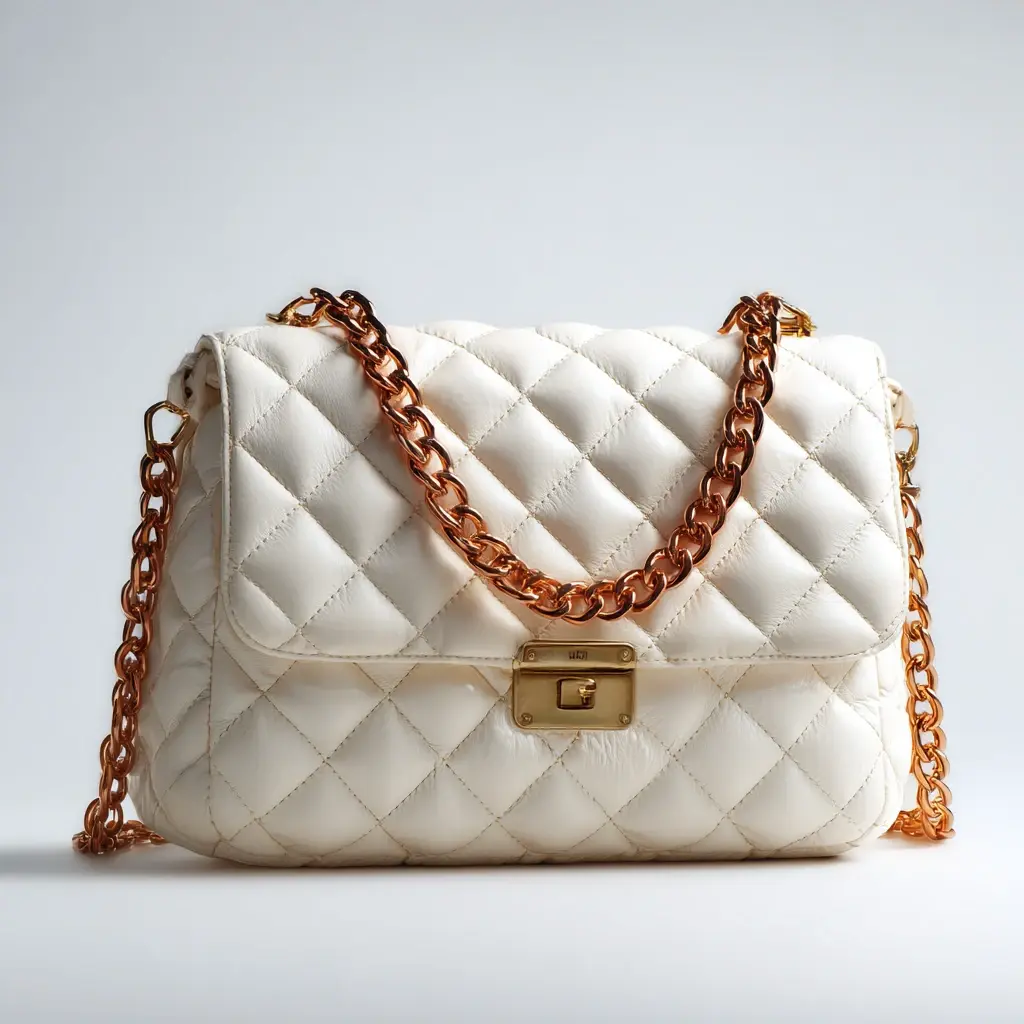
- The Question Brands Ask Once They Hit a Thousand Units
- First: Are You Selling Through, or Just Shipping?
- Second: Can Your Best Style Carry a Second Colourway?
- Third: Does a New Style Share a Pattern or a Hardware Family?
- Fourth: What Does One More SKU Cost You in Calendar?
- Fifth: Can One Cash Cycle Fund Two Seasons?
- Sixth: Will Service and Returns Absorb the Extra Volume?
- What the Signal Looks Like in Numbers
- The Sequence That Works: Deepen, Then Widen
- When Widening Is the Wrong Answer Entirely
- A Two-Season Calendar for Adding One SKU
When should a handbag brand add styles and SKUs? When the existing range sells through above 65 per cent at full price for two consecutive seasons and cash still clears the deposit without borrowing. Below that line, a new style is a way of avoiding a product problem, not a way of growing. The arithmetic is unforgiving: at MOQ 500 pcs per style / colourway, four styles in three colours is 6,000 units and roughly USD 240,000 of working capital before a single bag is sold. The six questions below are the ones to answer in order, because each one can stop the decision before the next becomes expensive.
The numbers that decide whether a range should widen
The Question Brands Ask Once They Hit a Thousand Units
At some point between 800 and 1,500 units a season, a founder starts asking whether the range is too narrow. The question usually arrives disguised as a merchandising insight: customers keep asking for a smaller size, a tote keeps selling out, the market report says shoulder bags are growing. What is really being asked is whether growth has to come from more units of the same thing or more things. Those are different businesses with different cash profiles, and the answer is almost never both at once.
The clearest way to see the difference is to price a range extension before deciding on it. One extra colourway of an existing style adds 500 units, one sampling approval and no new pattern. One extra style adds 500 units, 6-10 working days of sampling that can run to 12-15 on a new construction, a new pattern set, a new hardware family and a new set of quality checks. The second is not twice the work of the first; on a first attempt at a new silhouette it is routinely three to four times the work, and the failure mode is a style that arrives eight weeks late into a twelve-week window.
First: Are You Selling Through, or Just Shipping?
The first question has a numeric answer and no room for interpretation. Take the last two seasons, divide units sold by units received, and look at the percentage sold at full price at the end of the full-price window. Above 65 per cent, the range has unmet demand and widening is defensible. Between 50 and 65 per cent, the answer is deepen the existing styles, because the customer wants more of what already works. Below 50 per cent, the product or the audience is wrong, and a new style will inherit the same problem with a fresh development cost attached.
Sell-through has to be measured at full price, not at any price. A brand that clears 85 per cent of its stock while discounting 30 per cent from week six has a sell-through problem dressed as a success, and the margin it gave away is the cash that would have funded the next development cycle. Sourcing Journal's reporting on small-brand scaling makes the same distinction repeatedly: the brands that widen successfully are the ones that widened last, after the first range had proved it could hold price.
There is one legitimate exception. If a single style is selling through above 80 per cent and the reorder arrives after the season closes, the range is not too narrow but too shallow, and adding a style is a way of using capacity that would otherwise be idle. That exception has a name and a test: the reorder miss rate. If more than 15 per cent of demand is going unfilled because stock ran out, widening is the wrong move and ordering deeper is the right one.
Second: Can Your Best Style Carry a Second Colourway?
Before adding a new shape, test whether the best-selling shape can carry a second colour. This is the cheapest experiment in the whole category: one style, one new colourway, 500 units, one colour approval, no new tooling. It tells you whether your customers buy the shape or the colour, which is the single most useful thing to know before spending six figures on a wider range.
The test has a pass mark. If the second colourway sells at 70 per cent or more of the first colourway's rate in the same number of weeks, the shape has pull and a wider range will work. If it sells at 40 per cent or below, the brand is being bought as a single object rather than as a collection, and adding silhouettes will split a small demand pool rather than grow it. That outcome is common, and it means the growth path is deeper colourways of one shape rather than a broader line.
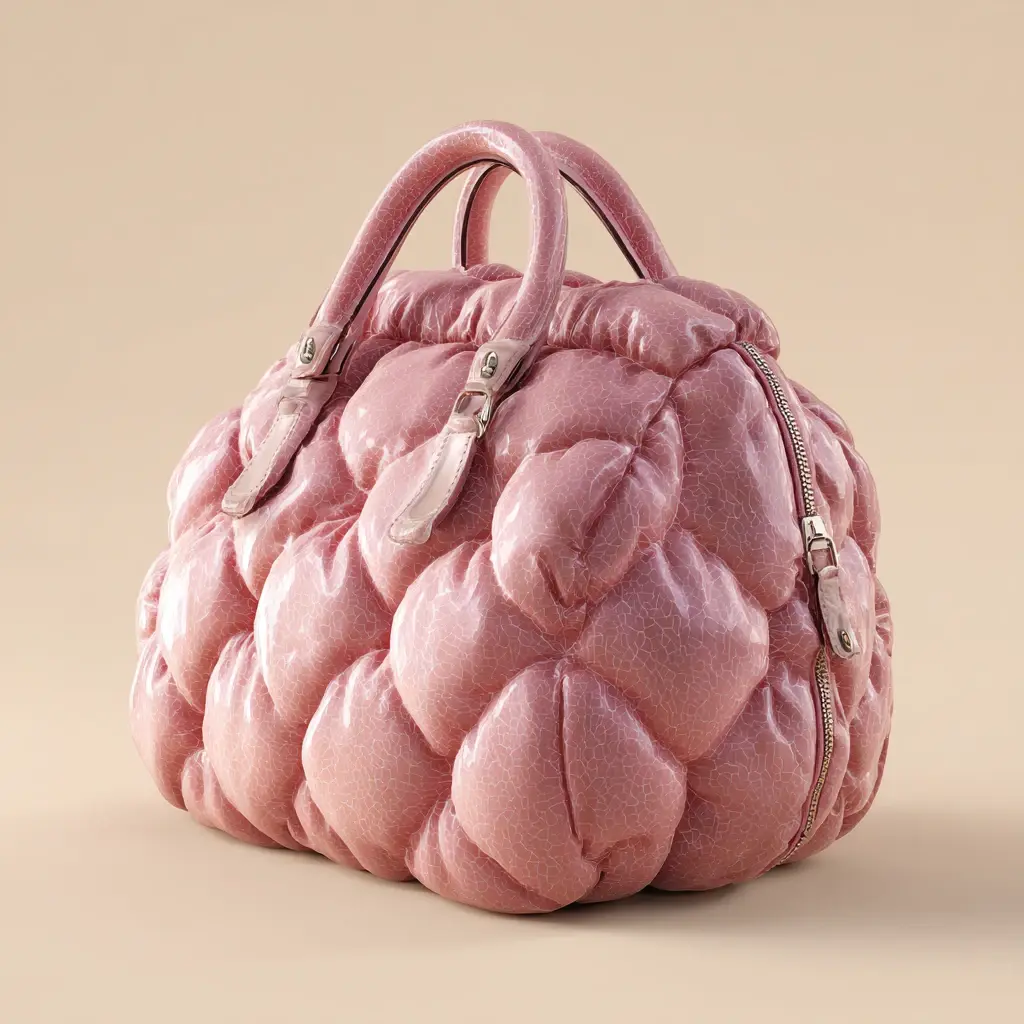
Third: Does a New Style Share a Pattern or a Hardware Family?
A new style is cheap or expensive depending on how much of it already exists. A satchel built on the same body pattern as your best-selling shoulder bag, using the same hardware family and the same lining, is a variant. A bucket bag with a new base construction, a new closure and a new handle attachment is a new product line. Both are called a new SKU on a planning sheet, and they have nothing in common in either cost or risk.
The practical test is to count the changed components. If a new style reuses the pattern, the hardware family and the lining, it can usually be sampled inside 6-10 working days and produced on the same line without a new setup. If it changes two of those three, expect a full 12-15 day sampling round, a second sample for approval, and a first production run that needs more inline attention than the established styles get. That second category is worth doing, but it should be one per season, not one per quarter.
Hardware families deserve their own line because they are the most common hidden cost of widening. Each new clasp or ring is a new component minimum, a new lead time and a new corrosion risk under REACH Annex XVII nickel release limits. A range built on two hardware families extends almost indefinitely; one where every style carries its own clasp hits a wall at about five styles.
Fourth: What Does One More SKU Cost You in Calendar?
Calendar is the constraint that founders underestimate, because it does not appear on any invoice. Sampling a new style takes 6-10 working days and typically needs a second round after comments, so three weeks is realistic. Bulk production then runs 35-50 days, and freight adds four to six weeks. A new style added in June for an autumn launch is already late in April, and a new style added in February for spring is competing with the reorder for the same production slot.
The fix is to sequence rather than parallelise. Two new styles sampled simultaneously both need comment rounds in the same week, both need colour approvals in the same week, and both will need production slots in the same window. A production partner running 7 production lines and about 200,000 pcs per month can accommodate that, but a brand's own approval capacity usually cannot, and delays compound. One new style per sampling window, with the second starting when the first is approved, keeps the calendar honest and produces better samples.
Fifth: Can One Cash Cycle Fund Two Seasons?
Widening multiplies the cash requirement before it multiplies revenue, and the multiplier is the SKU count. Each SKU carries its own 500-piece minimum, so the deposit scales linearly while the sell-through curve arrives with a lag. Four styles in three colours is 12 SKUs, 6,000 units, and at an average landed cost of USD 40 that is USD 240,000 committed across a season in which the first dollars only return after the first deliveries clear.
The test is not whether the money exists but whether it exists twice. A brand needs enough working capital to fund the next season's deposit while this season's stock is still selling, because the order for the next season is placed before the current one closes. If widening means the second deposit has to wait for the first season's final markdowns, the range is being financed by the calendar, and the calendar will not cooperate. The practical rule is that opening stock should not exceed 45 per cent of the cash available for the full year.
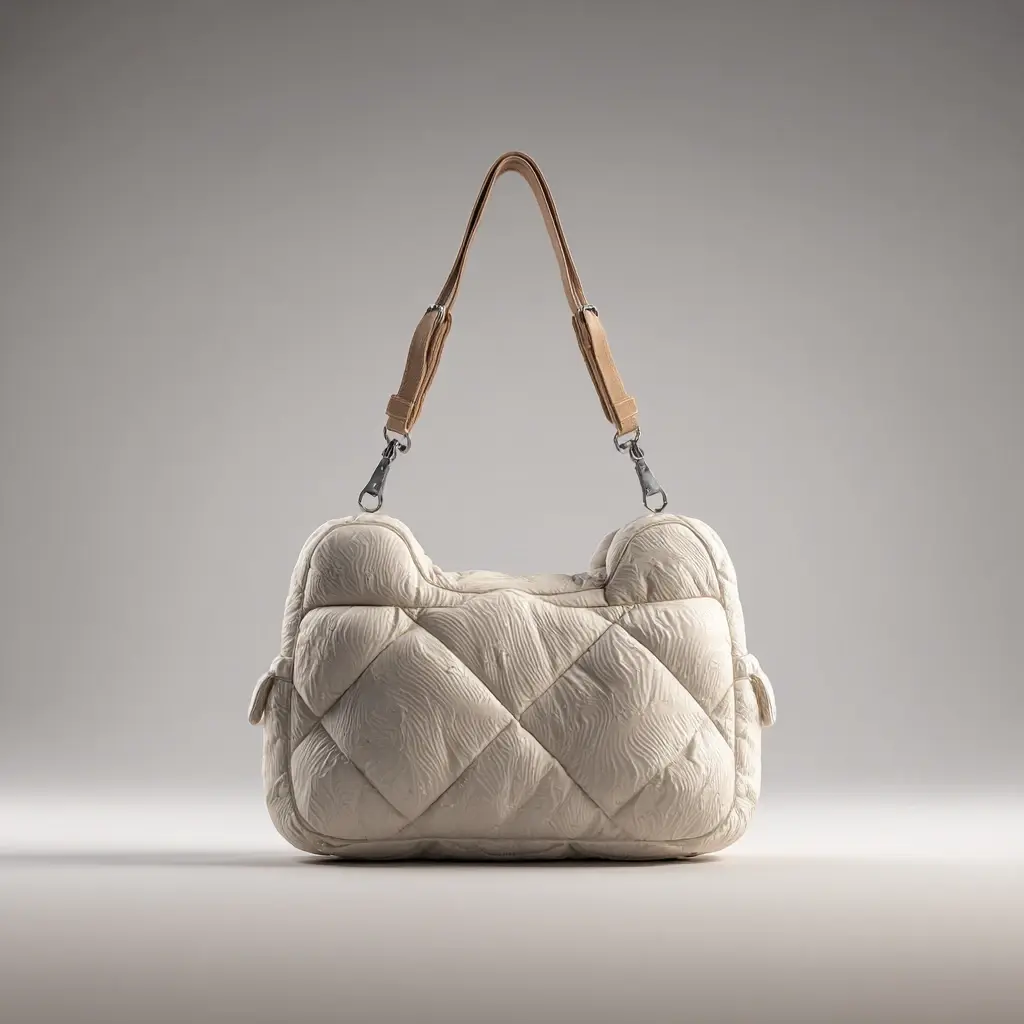
Sixth: Will Service and Returns Absorb the Extra Volume?
A wider range raises service load faster than it raises revenue, because every SKU adds its own sizing questions, its own care instructions and its own return pattern. A brand carrying three SKUs handles roughly 3-5 return cases a month per SKU at 1,000 units a season; at twelve SKUs the same brand is handling forty cases a month with the same one person and the same inbox. The failure shows up as slow replies, which is exactly the metric that converts returns into refunds.
There is a stock consequence too. A wider range means thinner cover per SKU, so exchanges become harder to fulfil: the customer wants a different colour and it is sold out because only 500 units existed in the first place. That is why widening and exchange reserve have to be planned together. Brands that widen without holding back stock end up with a returns policy they cannot honour and a customer who has now been told no twice. The service side of this trade-off is set out in the returns policy comparison, and it is worth reading before the SKU count goes up rather than after.
What the Signal Looks Like in Numbers
Laid out as a table, the six questions collapse into four states. The value of writing them down is that a brand can only be in one of them, and each state has a single correct next move. Most scaling mistakes come from taking the move that belongs to the state above.
| Sell-through at full price | Reorder miss rate | State | Next move |
|---|---|---|---|
| Below 50 per cent | Low | Product or audience problem | Fix the hero style before adding anything |
| 50-65 per cent | Under 10 per cent | Demand is met, not exceeded | Add a colourway, hold the style count |
| 65-80 per cent | 10-15 per cent | Range is too narrow | Add one style per sampling window |
| Above 80 per cent | Over 15 per cent | Range is too shallow | Order deeper, then widen the following season |
The concentration column is worth adding to the same sheet. Most handbag ranges settle into a pattern where about 20 per cent of SKUs produce 60 per cent of revenue, and adding SKUs without watching that ratio makes it worse rather than better. If the new style lands in the bottom half of the range after two seasons, it should be discontinued rather than carried, because a weak SKU costs sampling, photography and service attention every season it survives. Accessories Council merchandising discussions return to this point constantly: range discipline beats range size.
The Sequence That Works: Deepen, Then Widen
The sequence that survives contact with cash is consistent across brands that scale without a funding round. It runs in three moves, each one funded by the previous, and each one adding roughly one season of complexity rather than three.
- Deepen first. Add colourways to the proven shape until each one clears 65 per cent at full price. This uses capacity without using new patterns, and it usually takes two seasons.
- Widen by variant. Add one style that shares the pattern, hardware and lining of the hero. It samples fast, produces on the same line, and tells you whether the customer wants a collection.
- Widen by construction. Only after two variants have held their sell-through should a genuinely new silhouette enter the range, and never more than one per sampling window.
- Retire on schedule. Set a two-season limit for any new SKU to reach 60 per cent of the hero's rate. If it does not, discontinue it and reuse the slot rather than carrying it.
Each move has a natural size. Deepening adds 500 units per colourway; widening by variant adds 500 units plus three weeks of calendar; widening by construction adds 500 units plus five to seven weeks and a second sample round. Written that way, the decision stops being about ambition and becomes a comparison of two numbers a brand can actually see. The buying plan that funds the first of these moves is covered in the first-order forecasting guide, and the demand signals that justify the second are covered in the 2026 trend review.
When Widening Is the Wrong Answer Entirely
Three situations look like a range problem and are not. The first is a channel problem: a brand selling through one Instagram account has a demand ceiling set by that account, and adding styles splits the same audience across more choices. The second is a price problem: if the hero sits at a price where the margin cannot absorb a 12 per cent return rate, more styles multiply the loss rather than the profit. The third is a size problem: customers asking for a smaller or larger version of the same bag want a variant, not a new collection, and answering with a new silhouette wastes the signal.
There is also a quality argument for staying narrow, and it is the strongest one. Every additional style is another construction that has to hold AQL 2.5 under ISO 2859-1 at inspection, another hardware family exposed to nickel release testing, and another set of seams that can fail in the field. A three-style range with a two-year defect history is a more valuable asset than a nine-style range with no history at all, because the first one can be guaranteed and the second one can only be hoped for. Export experience since 2014 points the same way: brands that scale cleanly make fewer, better-specified products and repeat them.
The final test is a sentence a founder should be able to say without hedging. If the answer to "what do we make, and for whom" changes when a style is added, the range is not widening, it is drifting. A range that grows by variant keeps the same sentence and adds a clause; a range that drifts needs a new sentence every season, and nobody can plan against that. How the production programme supports a deliberate sequence is described on the about page.
A Two-Season Calendar for Adding One SKU
Adding one style is a calendar exercise before it is a design one, and the calendar is longer than most founders expect. Counted from the decision: sampling the new style at six to ten working days, a revision round at four to eight, colour approval at two to four days per shade, a pattern and cutting die at three to six, bulk at 35-50, inspection at three to six and transit at 18-38. The total before the goods are received is 86-130 days, which is why a style added in month one lands in month five. Sequence the stages rather than running them in parallel.
| Stage | Days | What slips it |
|---|---|---|
| Sampling, round one | 6-10 working days | Material not yet on hand |
| Revision round | 4-8 | Feedback given verbally |
| Colour approval | 2-4 per shade | A screen used instead of a card |
| Pattern and cutting die | 3-6 | Released after approval rather than with it |
| Bulk and inspection | 38-56 | A change requested after cutting |
Tell us which state your range is in and what the last two seasons sold through at, and we will come back with a sequence rather than a wish list. Get a Quote → /contact-quote/
Frequently Asked Questions
How many handbag styles should a brand have after two years?
Three to five, with two of them carrying the volume. Ranges that reach six or more styles within two years usually do so by thinning cover on each one, which makes reorders impossible and exchanges unfillable. The number that matters is not the style count but the sell-through per style, and a tight range that clears beats a broad one that lingers.
What sell-through rate justifies adding a new style?
Sixty-five per cent at full price across two consecutive seasons, measured at the end of the full-price window rather than after markdowns. That figure says the existing range is turning away demand. A single strong season is not enough evidence, because launch audiences create spikes that do not repeat, and a style added on a spike usually arrives after it has passed.
Is adding a colourway cheaper than adding a style?
Substantially. A colourway reuses the pattern, the construction and the hardware, so it needs one colour approval and no new sampling round beyond a lab dip. A new style needs a pattern set, a sample round of 6-10 working days, a hardware family, and its own quality checks. On a first attempt at a new construction, that is three to four times the work.
How much does each additional SKU cost in working capital?
At MOQ 500 pcs per style / colourway and an average landed cost of USD 40, each SKU commits about USD 20,000 before freight. A 12-SKU range therefore ties up roughly USD 240,000 across a season. The relevant question is not whether that money exists but whether it exists twice, because the next season's deposit falls due before this season closes.
When should a brand retire a handbag style?
After two seasons if it has not reached 60 per cent of the hero style's selling rate. Carrying a weak SKU costs sampling, photography, shelf space and service attention every season it survives, and those costs are invisible in a range review. Retire it, reuse the slot, and keep the customer who liked it by pointing them at the closest variant.
Does a wider range increase return rates?
It increases return volume and often the rate, because more SKUs means thinner stock per SKU and more exchanges that cannot be fulfilled. A brand at three SKUs handles roughly 3-5 return cases a month per SKU; at twelve SKUs the same team is handling forty cases. Service capacity, not demand, is usually what breaks first when a range widens.
How far in advance should a new style be developed?
Five to seven months before the season opens if the construction is new. Sampling takes 6-10 working days and usually needs a second round, so three weeks is realistic; bulk adds 35-50 days and freight four to six weeks. A style that starts development in April for autumn is already late, and a late style loses about a third of its full-price window.
Should a brand add styles or sell into new channels first?
New channels first, in most cases. A brand selling through a single account has a demand ceiling set by that account, and adding styles only splits the same audience across more choices. Widening the channel raises the ceiling and tells you which styles travel, which is better evidence for the next range decision than any internal preference.
What happens if a new style samples late?
It compresses the production window, which pushes the shipment into the selling season or past it. A four-week delay against a twelve-week season removes roughly a third of full-price selling time, which on a 500-unit style at USD 150 retail is about USD 25,000 of revenue at risk. Rushing the sample to save USD 3,000 is not a trade worth making.
How many new styles can be sampled at once?
One, in practice. Two styles sampled simultaneously compete for the same comment round, the same colour approvals and the same production slot, and the brand's own approval capacity is usually the bottleneck rather than the line. Sampling one at a time and starting the second when the first is approved produces better samples and a calendar that holds.
Do SKUs need separate quality standards?
They need separate construction notes under one shared standard. Inspection at AQL 2.5 under ISO 2859-1 applies to the lot, but the defect list has to name what fails on that specific construction: a magnetic closure has different failure modes from a zip-top, and a bucket base loads differently from a flat tote. One standard, one annex per style.
What is a healthy SKU concentration for a small handbag brand?
Roughly 20 per cent of SKUs producing 60 per cent of revenue, with no single SKU above 45 per cent. That balance gives the range a clear hero without making the business dependent on one item. When the hero passes 60 per cent of revenue, the range is not diversified, it is a single product with supporting stock.
People Also Ask
What is the biggest mistake when scaling a handbag range?
Widening before the hero style has proved it can hold full price. A new silhouette splits a small demand pool, adds a sampling round into an already tight calendar, and inherits whatever the first style was getting wrong. Deeper cover on a proven shape is almost always the better next move.
How many colourways per style is too many?
Above three, unless each one is clearing 65 per cent at full price. Every colourway is its own 500-piece minimum and its own stock position, so four or five colourways of one shape can commit as much capital as three separate styles. Two or three colours per shape is the workable norm for a brand under 5,000 units a season.
Can a brand scale by adding sizes instead of styles?
Often yes, and it is underused. A smaller and a larger version of the hero shape answers the most common customer request without a new pattern, a new hardware family or a new construction. It does require separate pattern grading and separate samples, so it is closer to a variant than to a colourway, but it is still cheaper than a new silhouette.
When does a handbag range need a second production partner?
When a single partner's capacity or specialism becomes the constraint on the calendar rather than the range plan. A programme running 7 production lines at about 200,000 pcs per month has room for most growing brands; the usual trigger is a new material category, such as coated canvas or woven body, that needs different equipment and different quality checks.
Sources and further reading
Every figure on this page is either our own programme data or attributed below. Open the originals before you write them into a specification.
- Accessories Council — accessories industry bodyAccessories Council Accessories industry body tracking handbag category direction.
- REACH — chemical substances regulationEuropean Commission Annex XVII restricts the substances that may appear in finished leather and coatings.
- FashionUnited — fashion industry news and dataFashionUnited Industry news and company data for the fashion sector.