Handbag Trends 2026: Styles Buyers Are Asking For
Which handbag styles are buyers actually asking for in 2026? Five carry most of the order book: the soft structured shoulder bag, the mini crossbody on a wide strap, the east-west tote, the slouchy hobo and the compact top-handle satchel. The rest of the trend conversation is mostly noise, and acting on it is expensive: one new silhouette costs 500 units at MOQ, 45 days of sampling and bulk, and about USD 20,000 of cash before a single unit sells. This is a costed review rather than a mood board, so each style below comes with the construction details, the price band buyers are paying and the reason it either earns its 500 units or does not.
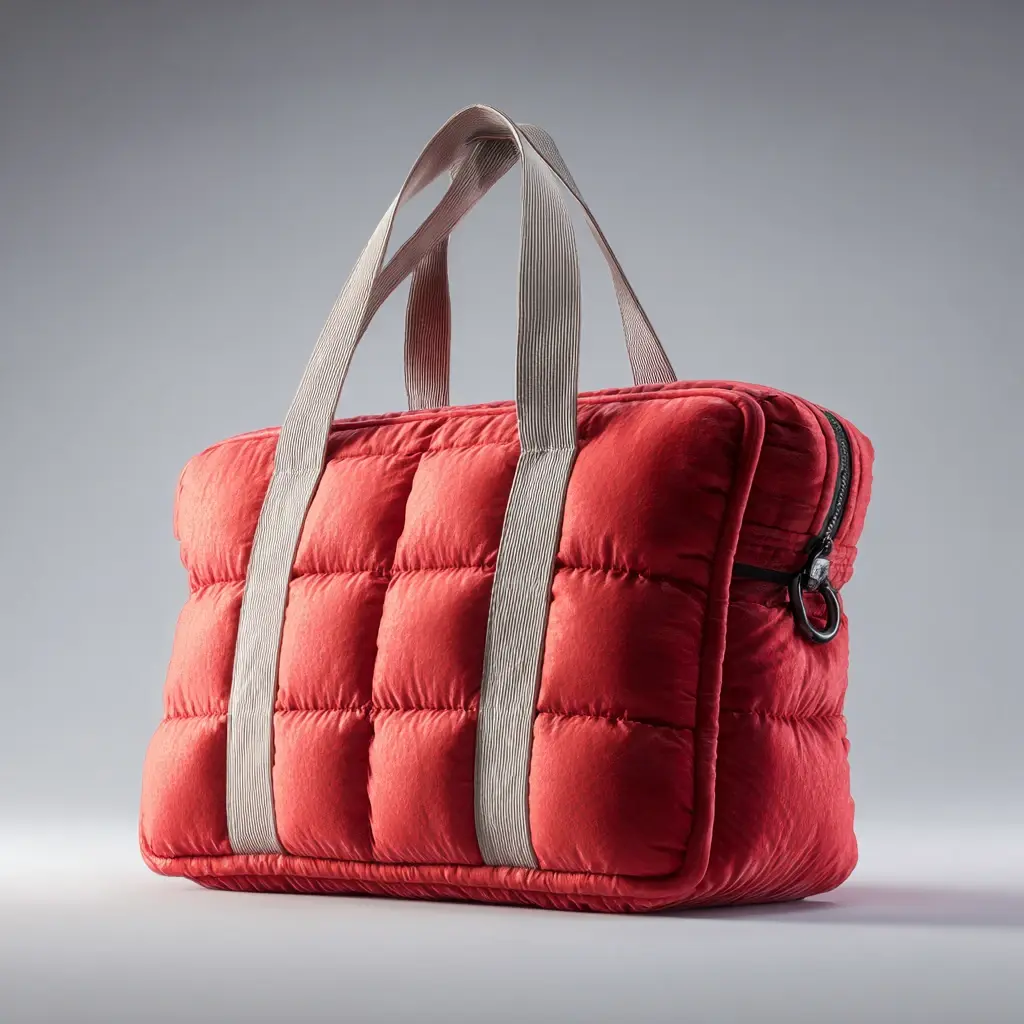
- A Trend Costs Five Hundred Units and Forty-Five Days
- What the 2026 Order Book Says in Units
- One: The Soft Structured Shoulder Bag
- Two: The Mini Crossbody on a Wide Strap
- Three: The East-West Tote
- Four: The Slouchy Hobo Return
- Five: The Compact Top-Handle Satchel
- Hardware: Quieter, Heavier and More Expensive
- Colour: What Sells and What Sits
- Testing a Trend Without Betting the Season
Which handbag styles are buyers actually asking for in 2026? Five carry most of the order book: the soft structured shoulder bag, the mini crossbody on a wide strap, the east-west tote, the slouchy hobo and the compact top-handle satchel. The rest of the trend conversation is mostly noise, and acting on it is expensive: one new silhouette costs 500 units at MOQ, 45 days of sampling and bulk, and about USD 20,000 of cash before a single unit sells. This is a costed review rather than a mood board, so each style below comes with the construction details, the price band buyers are paying and the reason it either earns its 500 units or does not.
What one trend-led style costs to put on a shelf
A Trend Costs Five Hundred Units and Forty-Five Days
Before looking at any silhouette, price the decision. Adding a trend-led style means 500 units at the minimum order quantity, a sampling round of 6-10 working days that usually needs a second, a bulk run of 35-50 days, and freight of four to six weeks. At an average landed cost of USD 40, that is USD 20,000 of cash and roughly 45 days of production time for one shape in one or two colourways. Multiply by five trends and the brand has spent USD 100,000 and a full season chasing the conversation.
That framing changes which trends are worth acting on. A trend that lasts two seasons can carry a 500-unit order and a second colourway. A trend that peaks for eight weeks cannot, because the stock arrives after the peak and the markdown absorbs the margin. The practical question for every silhouette below is not whether it is visible in editorial but whether it has enough runway left for a 45-day production cycle plus a twelve-week selling season. FashionUnited's seasonal coverage is a useful check on this, because it separates styles that are still being adopted from styles that are already being replaced.
There is a second cost that never appears in the order: range dilution. A brand with five styles and one trend piece sells that piece at a lower margin and at the expense of attention on the hero. Brands that handle trends well keep them at 15-20 per cent of the range and give them one colourway. Accessories Council merchandising discussions put it plainly: trend pieces are traffic drivers, and traffic is worth less than sell-through at full price.
What the 2026 Order Book Says in Units
The five silhouettes below are not ranked by editorial visibility but by the share of first orders they appear in across the buying cycle, using a sample of private label programmes and the wholesale order patterns reported through the category press. The table prices each one at a 500-unit opening order so the commitment is visible next to the rationale.
| Silhouette | Typical retail band | Landed cost | Share of orders |
|---|---|---|---|
| Soft structured shoulder bag | USD 120-190 | USD 34-44 | Highest |
| Mini crossbody, wide strap | USD 70-120 | USD 21-29 | High |
| East-west tote | USD 140-220 | USD 38-50 | High |
| Slouchy hobo | USD 130-200 | USD 36-48 | Rising |
| Compact top-handle satchel | USD 160-240 | USD 44-58 | Steady |
The spread in landed cost matters more than the spread in retail, because it decides the room a brand has for returns and markdowns. A mini crossbody at USD 25 landed and USD 95 retail carries a 74 per cent gross margin before returns, enough to absorb a 30-day policy and a small markdown. A top-handle satchel at USD 50 landed and USD 180 retail carries 72 per cent but ties up USD 25,000 per 500 units rather than USD 12,500.
One: The Soft Structured Shoulder Bag
This is the silhouette that carries 2026. It sits between a tote and a hobo: a clean rectangle with a curved top line, a single shoulder strap, and enough structure to stand when set down but enough softness to collapse under the arm. The construction is what makes it work, and the construction is where most copies fail. A 2.5-3 mm body leather or a 1.2 mm coated canvas over a 0.8 mm board gives the stand-up edge without the stiffness that reads as cheap.
Three details separate a good version from a bad one. The strap drop should sit at 22-26 cm so the bag clears a coat shoulder without hanging at the hip. The top opening should be wide enough for a hand to enter at an angle, which in practice means a 26-30 cm mouth on a 30-34 cm body. And the base should carry four small feet or a reinforced panel, because a structured bag that sags at the base in week three loses the shape that justified the price.
The commercial case is straightforward: it photographs well flat and worn, suits both a USD 130 direct price and a USD 190 wholesale price, and takes a colour change without a pattern change. That is why it should be the first style a brand invests in, and why it is the natural candidate for the colourways discussed in the range sequencing guide.
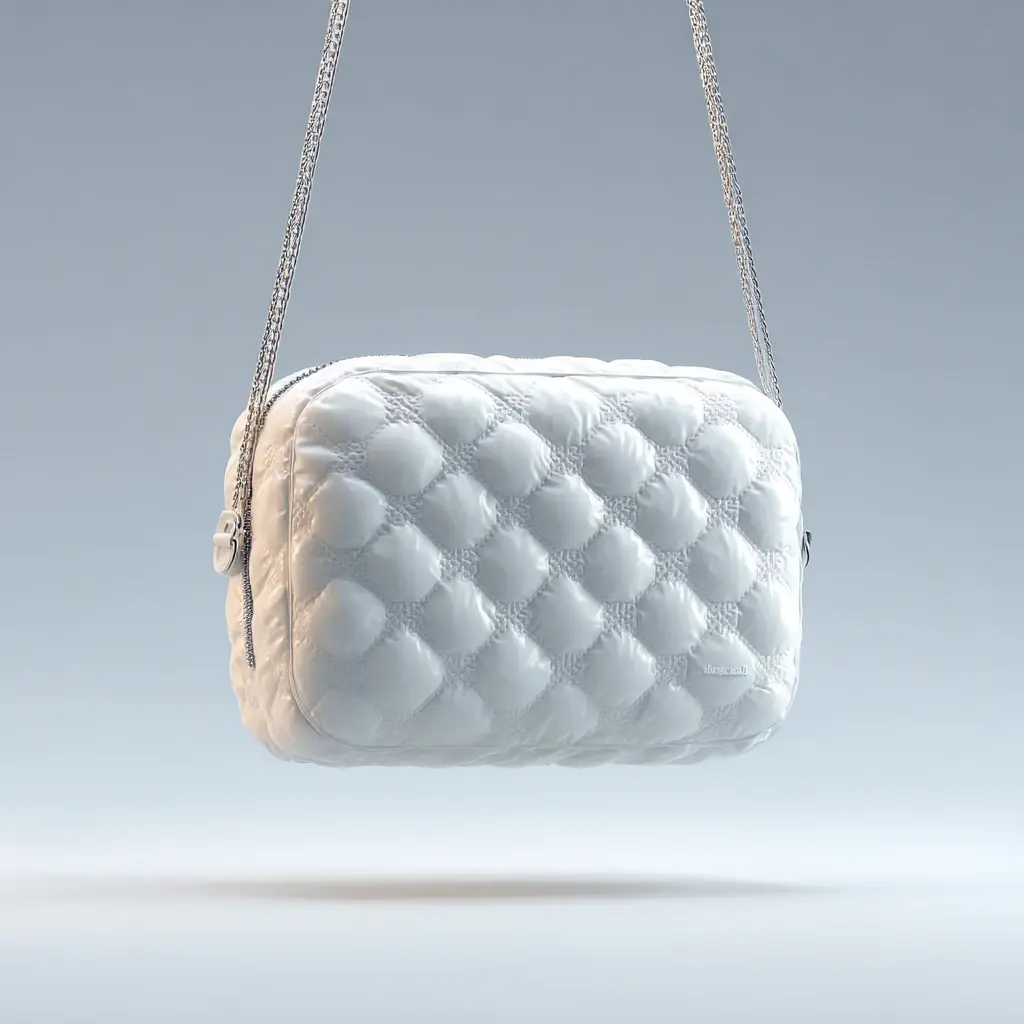
Two: The Mini Crossbody on a Wide Strap
The mini crossbody has been present for several seasons and in 2026 it has settled into a specific form: 18-22 cm wide, a 3.5-4 cm webbing or leather strap, and a flap or zip closure that sits flat against the body. The wide strap is the tell. A 1.5 cm chain strap dates a bag instantly now, while a 4 cm strap reads current and also distributes weight well enough to justify a larger phone inside.
It is the cheapest style on this list to develop and the easiest to test, which makes it the right entry point for a brand adding its first trend piece. A 500-unit order at USD 25 landed is USD 12,500, and two colourways can share one pattern. The risk is saturation: this is the most copied shape in the category, so the differentiation has to come from hardware, strap texture or a closure detail rather than from the silhouette itself.
The sizing question matters more than it looks. A body under 17 cm will not take a current large phone in a case, and a body over 24 cm stops reading as mini. The workable window is 18-22 cm wide by 12-16 cm high, with a 3-4 cm gusset. Get those three numbers right and the style sells across age groups; get the gusset wrong and the bag looks like a card holder with a strap.
Three: The East-West Tote
The east-west tote is the work bag answer for a market that has stopped carrying laptops in backpacks. It is wider than it is tall, typically 34-38 cm across and 24-27 cm high, with a 12-14 cm base gusset and handles long enough to sit on a shoulder over a jacket. The proportion is the whole point: a north-south tote reads as a shopping bag, an east-west one reads as a bag that goes to an office.
Construction costs are higher here than the silhouette suggests. A bag of this size needs a reinforced base, a lining with at least one zip pocket, and handles attached through the body rather than stitched to the top edge, because a loaded tote puts 4-6 kg through two attachment points. That means a 3,000 g pull test on the handle anchors is not optional, and a hardware family that can take the load without deforming.
It is the highest-value style on the list and the one that most rewards a good specification. At USD 38-50 landed against a USD 140-220 retail price, the margin supports a heavier leather and a proper lining, and the customer can feel the difference. It is also the style most likely to be bought once and used daily, which makes it the best candidate for the repeat purchase that keeps a small brand alive.
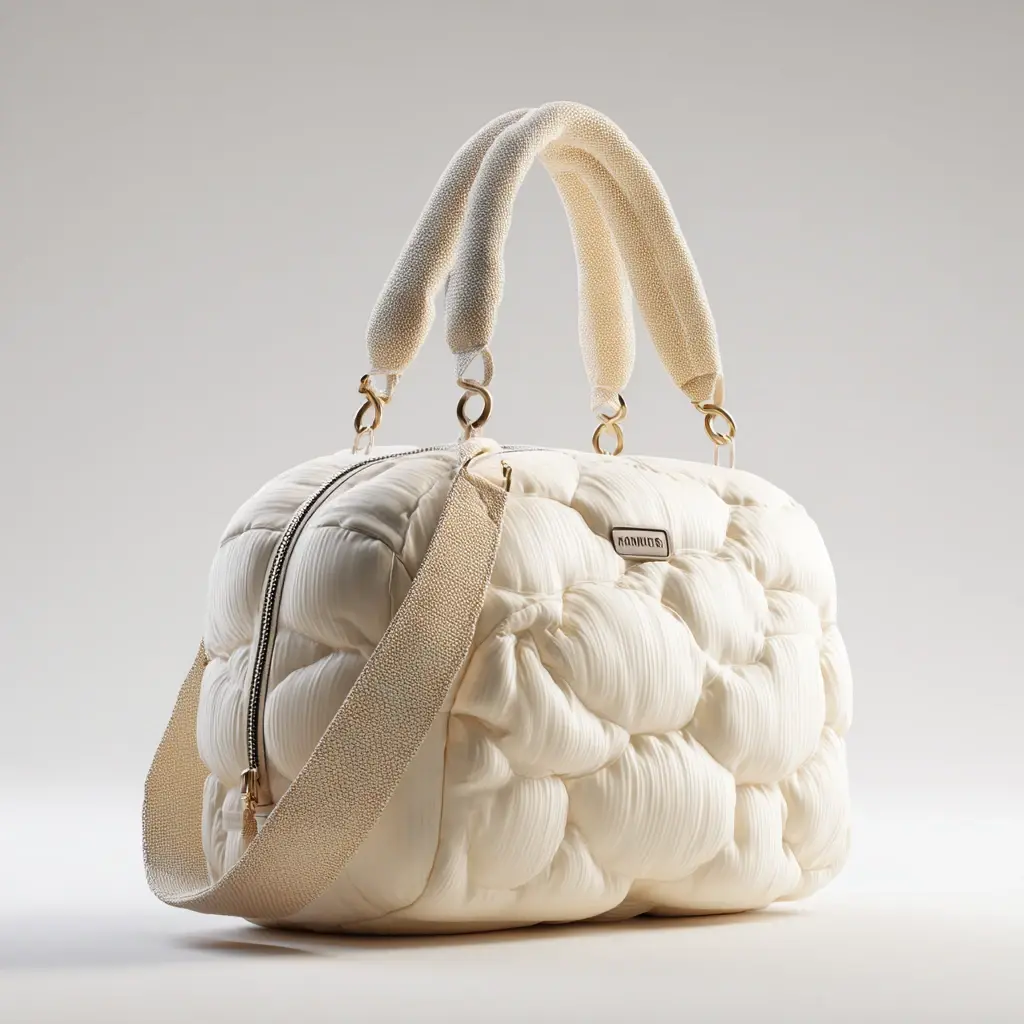
Four: The Slouchy Hobo Return
The hobo is the style that has moved most in twelve months, from a 2010s revival piece to a genuine daily carry. The 2026 version is softer than its predecessor, with a 1.0-1.2 mm lambskin or a washed calf, an unstructured body that folds when set down, and a single strap that widens where it meets the body. It is the opposite of the structured shoulder bag in every construction decision, which is why the two work in the same range without competing.
The risk with a hobo is material consistency. Soft leather shows variation between hides, and a 500-unit run cut from several lots will produce visible shade differences under daylight that were invisible under factory lighting. The control is to request a colour continuity check across lots before cutting, and to specify a maximum ΔE of 1.5 measured under D65 across the panels of a single bag. Brands that skip this step get returns that are impossible to argue, because the customer is right.
Commercially, the hobo sits in the same price band as the structured shoulder bag with a lower sell-through ceiling, because it flatters fewer body types. It belongs in a range as the second shoulder option, tested in one colourway before a second is committed.
Five: The Compact Top-Handle Satchel
The top-handle satchel is the most formal shape on the list and the one with the most stable demand. It is small, usually 24-28 cm wide, with a single arch handle, a flap or a turn-lock closure, and a detachable crossbody strap that lets it work for an evening as well as a weekday. Demand is steady rather than growing, which makes it a reliable second or third style rather than a growth bet.
The cost sits in the closure and the edge finishing. A turn-lock or a push-lock adds USD 4-7 per unit over a magnetic closure and needs its own testing for repeated operation and nickel release under REACH Annex XVII. Painted edges add labour and a curing step, and a poorly cured edge cracks within a season, which is one of the few defects a customer will always return. Budget for both, or choose a stitched edge and a simpler closure and price accordingly.
At USD 44-58 landed and USD 160-240 retail, this is the highest cash commitment per unit on the list. It earns its place when a brand already has a shoulder bag and needs a shape that supports a higher price point and a gifting purchase. It does not earn its place as a first style, because the sampling rounds are longer and the customer is less forgiving of a finish error at that price.
Hardware: Quieter, Heavier and More Expensive
The hardware direction in 2026 is a paradox that costs money. Visually it is quieter: smaller logos, fewer rings, brushed rather than polished finishes. Physically it is heavier and better made, with 10-14 mm rings instead of 8 mm, thicker strap anchors and solid rather than hollow clasps. The reason is durability signalling, and buyers have learned to feel the difference in the hand.
The cost consequence is USD 1.80-3.50 per unit more than the same style built with lighter hardware two years ago, and a longer component lead time because solid castings are not always in stock. It also raises the testing burden: every new plated component needs a nickel release check, and a change of plater can silently change the result. Naming the plater and the finish in the specification is the only reliable control.
A brushed finish on a well-formed 12 mm ring costs less than a polished finish on a 16 mm one and reads as more expensive, because the eye reads proportion and texture before size. Brands getting this right spend on the anchor and the closure, where it affects function, and save on decorative hardware nobody touches.
Colour: What Sells and What Sits
Colour is where trend risk concentrates, because a colour cannot be re-cut into another style. In the 2026 cycle, the colours clearing at full price are a warm mid-brown, an off-white that photographs cleanly, a deep olive and black. The colours sitting are the ones that looked strong on a mood board and weak under retail lighting: cool greys, saturated blues and anything with a metallic finish that scuffs.
Two colourways per style is the working rule for a small brand, with a third only when the style is the hero and the first two clear. Each additional colourway is another 500-piece commitment, so a three-colour hero is 1,500 units before another style exists. That arithmetic, not aesthetics, is why narrow ranges sell through better.
Underneath the colour question sits the leather question. A tannery certified through the Leather Working Group gives documentation that stockists increasingly ask for, and it narrows the available shades. Choosing the shade first and the certification second is the wrong order: certification is hard to add later, while a shade can be adjusted within a season.
Testing a Trend Without Betting the Season
A trend can be tested for the price of one style rather than a whole range. Four rules separate a test from a bet, and all four fit inside a normal 14-week window.
- One style, one colourway, 500 units. Treat the minimum as the test budget and refuse to add a second colour until the first clears 60 per cent at full price.
- Put it in the content calendar before the order. If the silhouette cannot produce four weeks of content, it will not produce a season of sales, and the photography cost is sunk either way.
- Set the exit before launch. Decide at what sell-through and by which week the style goes to markdown, and hold to it rather than extending the season for a style that is not working.
- Measure against the hero, not against zero. A trend piece that sells at 70 per cent of the hero's rate is doing its job; one at 35 per cent is consuming sampling capacity that the next hero needs.
The last discipline is writing down what the test proved. "Hobo did not work" teaches nothing; "hobo sold 41 per cent in warm brown and 22 per cent in olive, with a 12 per cent return rate concentrated on the strap" teaches three seasons of decisions. That record is also why the market size and growth picture is worth reading alongside the styles rather than instead of them.
A silhouette that appears in editorial in month one is already being copied in month two, and a brand ordering in month three receives stock in month five alongside everyone else's version. The five styles above have enough runway; single-season shapes do not. Where the look is wanted without the risk, a colour or hardware change to an existing shape is the cheapest exposure available, and it is what the Instagram content plan can photograph without a new sample. The blog index holds the rest of these guides.
Send the silhouette you are considering and the retail price you need, and we will come back with the construction that holds it and the landed cost at 500 units. Get a Quote → /contact-quote/
Frequently Asked Questions
What handbag styles are most in demand for 2026?
The soft structured shoulder bag leads, followed by the mini crossbody on a wide strap and the east-west tote. The slouchy hobo is rising and the compact top-handle satchel holds steady demand. Together those five account for most first orders, with the shoulder bag carrying the largest share by a clear margin.
How much does it cost to add a trend-led handbag style?
About USD 20,000 in cash plus 45 days of calendar for a 500-unit order at USD 40 landed. That covers sampling across two rounds, bulk production of 35-50 days, and freight. Add photography and the true cost is closer to USD 22,000, which is why a trend piece has to sell at full price to be worth making.
Which handbag trends should a small brand avoid in 2026?
Anything with a single-season runway: oversized novelty shapes, heavily embellished minis and metallic finishes that scuff. These arrive after the peak, carry a high defect rate and cannot be re-cut in another colour. A trend needs at least two seasons of life to justify a 45-day production cycle plus a twelve-week selling window.
What is the right strap drop for a shoulder handbag?
Between 22 and 26 cm for a bag worn on the shoulder over a coat. Below 20 cm it tucks under the arm and becomes a hand-carry, above 28 cm it hangs at the hip and reads as a crossbody. Getting this wrong is one of the most common reasons a good silhouette underperforms at retail.
How many colourways should a new handbag style have?
Two at launch, with a third only for a proven hero. Each colourway is a separate minimum of 500 pieces, so a three-colour style is 1,500 units before another style exists. In 2026 the colours clearing at full price are warm mid-brown, off-white, deep olive and black; cool greys and saturated blues are sitting.
Is the hobo bag coming back in 2026?
It is, in a softer form than the 2010s version: washed calf or lambskin, unstructured, with a single wide strap. Demand is rising but the ceiling is lower than the structured shoulder bag because it flatters fewer body types. Treat it as a second shoulder option in one colourway rather than as a hero style.
What hardware is trending on handbags in 2026?
Smaller and heavier at the same time. Rings run 10-14 mm instead of 8, finishes are brushed rather than polished, and logos are smaller. The change adds USD 1.80-3.50 per unit and lengthens component lead times, because solid castings are less available than hollow ones. It also raises the nickel release testing burden.
How long does a trend last and how does that affect ordering?
A working trend lasts two to three seasons; a fashion moment lasts one. Because production takes 35-50 days and freight four to six weeks, a brand ordering into a one-season trend receives stock as it peaks. The rule is to order only styles with at least two seasons of runway left at the point the order is confirmed.
What proportion of a range should be trend-led?
Fifteen to twenty per cent, and no more. Trend pieces bring traffic and content but sell at lower margins and divert attention from the hero. A five-style range with one trend piece is balanced; a five-style range where three are trend-led has no anchor for the customer and no stable base for a reorder.
Do buyers still want large totes in 2026?
Yes, but in an east-west proportion rather than a tall shopping-bag shape. Buyers are asking for 34-38 cm wide, 24-27 cm high, with a 12-14 cm gusset and handles that clear a shoulder. The north-south tote has not disappeared, but it now reads as a beach or market bag rather than a work bag.
How do I test a trend without committing to a full range?
One style, one colourway, 500 units, with the exit criteria written before launch. Measure it against the hero rather than against zero, and record the result by colour and return reason. A single structured test at USD 20,000 produces more usable information than five styles sampled at once and launched without a decision rule.
Does leather certification affect which trends a brand can follow?
It narrows shade availability. A tannery certified through the Leather Working Group offers a smaller palette than an uncertified one, so a brand choosing colour first may find certification hard to add later. Choose the certified source first and adjust the shade within it, because stockists increasingly ask for the documentation.
People Also Ask
What is the best-selling handbag shape right now?
The soft structured shoulder bag, by a wide margin. It photographs well flat and worn, works at both a USD 130 direct price and a USD 190 wholesale price, and accepts a colour change without a pattern change. Its construction is also the easiest to specify, which makes it the lowest-risk hero for a small brand.
Are mini bags still popular in 2026?
Yes, but the definition has shifted. A mini now means 18-22 cm wide with a 3-4 cm strap and room for a large phone in a case. Anything smaller has become a novelty item with a high return rate, and anything larger stops reading as mini. The category is stable rather than growing.
How quickly do handbag trends move from runway to retail?
Roughly six to nine months, which is why a private label order placed at the first sign of a trend usually lands after the early adopters have bought. The practical implication is to order shapes with two seasons of life ahead of them and to treat colour and hardware as the faster, cheaper way to look current.
Should a brand follow trends or build classics?
Both, in a fixed ratio. Classics carry the sell-through and the reorder; trends carry the content and the new customer. A range of 80 per cent carry-over shapes and 20 per cent trend pieces keeps the cash cycle predictable while giving the audience a reason to look again each season.
Sources and further reading
Every figure on this page is either our own programme data or attributed below. Open the originals before you write them into a specification.
- SATRA — technical services for leather, footwear and accessoriesSATRA Independent leather, hardware and accessories testing protocols.
- Accessories Council — accessories industry bodyAccessories Council Accessories industry body tracking handbag category direction.
- Womens Wear Daily — fashion business newsWWD Fashion business news, retail results and category direction.