Handbag Brand Customer Service: Returns That Build Loyalty
Which handbag returns policy builds loyalty rather than eroding margin? The 30-day free return with inspection, not the 14-day strict policy and not the unlimited window. Handbags return at 8-12 per cent online, each parcel costs USD 14-22 to take back, and about 60 per cent of returned units can be resold as new if the policy routes them correctly. A strict window cuts returns by roughly two points and costs more in lost repeat orders than it saves; an open window pushes return rates past 15 per cent and invites wardrobing. The three policies below are compared on the same six measures so the trade-off is visible rather than argued, followed by the scripts that turn a return into an exchange and an exchange into a second purchase.
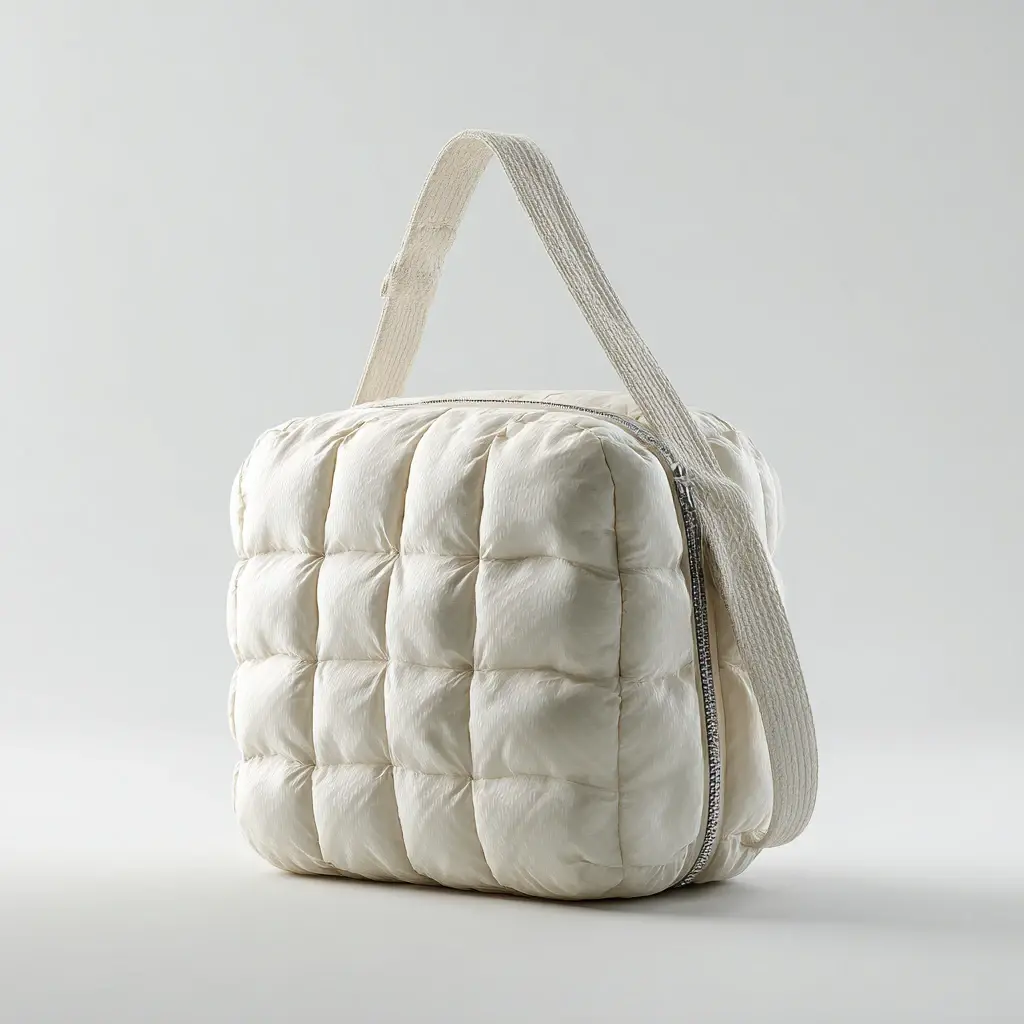
- Why a Handbag Return Costs More Than a T-Shirt Return
- Policy A: The Fourteen-Day Strict Return
- Policy B: The Thirty-Day Free Return With Inspection
- Policy C: The Sixty-Day Exchange-First Policy
- The Three Policies Side by Side on Six Measures
- What a Single Return Costs, Line by Line
- The Defect Threshold That Decides What You Can Promise
- Matching the Policy to Your Stage of Business
- The Scripts That Turn a Refund Into an Exchange
- What to Measure After Every Return Lands
- A Condition Score That Sorts Resale From Outlet
- The Refund Reserve and the January Trough
Which handbag returns policy builds loyalty rather than eroding margin? The 30-day free return with inspection, not the 14-day strict policy and not the unlimited window. Handbags return at 8-12 per cent online, each parcel costs USD 14-22 to take back, and about 60 per cent of returned units can be resold as new if the policy routes them correctly. A strict window cuts returns by roughly two points and costs more in lost repeat orders than it saves; an open window pushes return rates past 15 per cent and invites wardrobing. The three policies below are compared on the same six measures so the trade-off is visible rather than argued, followed by the scripts that turn a return into an exchange and an exchange into a second purchase.
The return economics a handbag brand is actually managing
Why a Handbag Return Costs More Than a T-Shirt Return
A returned handbag is a different problem from a returned garment, and the difference is physical. A 2.6 kg parcel costs more to move in both directions, it arrives with hardware that has been handled, and it cannot be steamed and reshelved. Structure is the issue: a tote that has carried a laptop for a week shows it at the base corners, and a shoulder bag that has hung on a door has softened where the strap meets the body. Resaleability is therefore a function of how quickly the unit comes back and what it did while it was away, which is exactly what the returns window controls.
The second difference is emotional, and it drives loyalty more than any discount. A handbag is bought for an occasion or a role, so a return is usually a failure of expectation rather than a change of mind. The Fashion Law has written repeatedly about how return terms shape consumer perception of a brand's confidence in its own product: a policy that reads as distrust teaches the customer to expect disappointment. That is why the strictest policy in the comparison below loses on repeat purchase even though it wins on cost per return.
Policy A: The Fourteen-Day Strict Return
The customer has fourteen days from delivery, pays the return shipping unless the unit is faulty, and receives a refund only after inspection. The policy is usually paired with a restocking fee of 10 per cent on non-defective returns. It is the cheapest policy to run on paper and the easiest to administer, because most customers who hesitate simply keep the item.
The costs are less visible. Returns fall by around two percentage points, which on a 1,000-unit season at an 11 per cent return rate saves roughly 20 returns and about USD 360 in processing. Against that, first-time buyers convert at a lower rate, because a fourteen-day window reads as a warning on a USD 150 purchase. Brands running this policy typically see repeat purchase rates 6-9 points below the category norm, and a restocking fee is the single most common complaint theme in post-purchase reviews of mid-market handbag labels.
Policy B: The Thirty-Day Free Return With Inspection
Thirty days, free return shipping on the first return per order, refund or exchange processed within 5-7 working days of the parcel arriving at the warehouse. Inspection is real but light: the unit is checked against a five-point condition list, and anything that fails is offered as a partial refund rather than a rejection. This is the policy most established direct-to-consumer handbag brands land on, and it is the one that balances the two costs that matter.
Thirty days is long enough for a customer to carry the bag to the event it was bought for and still return it, which sounds like a risk but usually is not. In practice the returns that arrive in days 20-30 are the ones with a genuine fit or expectation problem, and they are the customers most worth keeping, because they wanted the product to work. The inspection step is what protects margin: units that come back within fourteen days and pass the condition list resell as new roughly 60 per cent of the time, and that number falls sharply after day twenty-one.
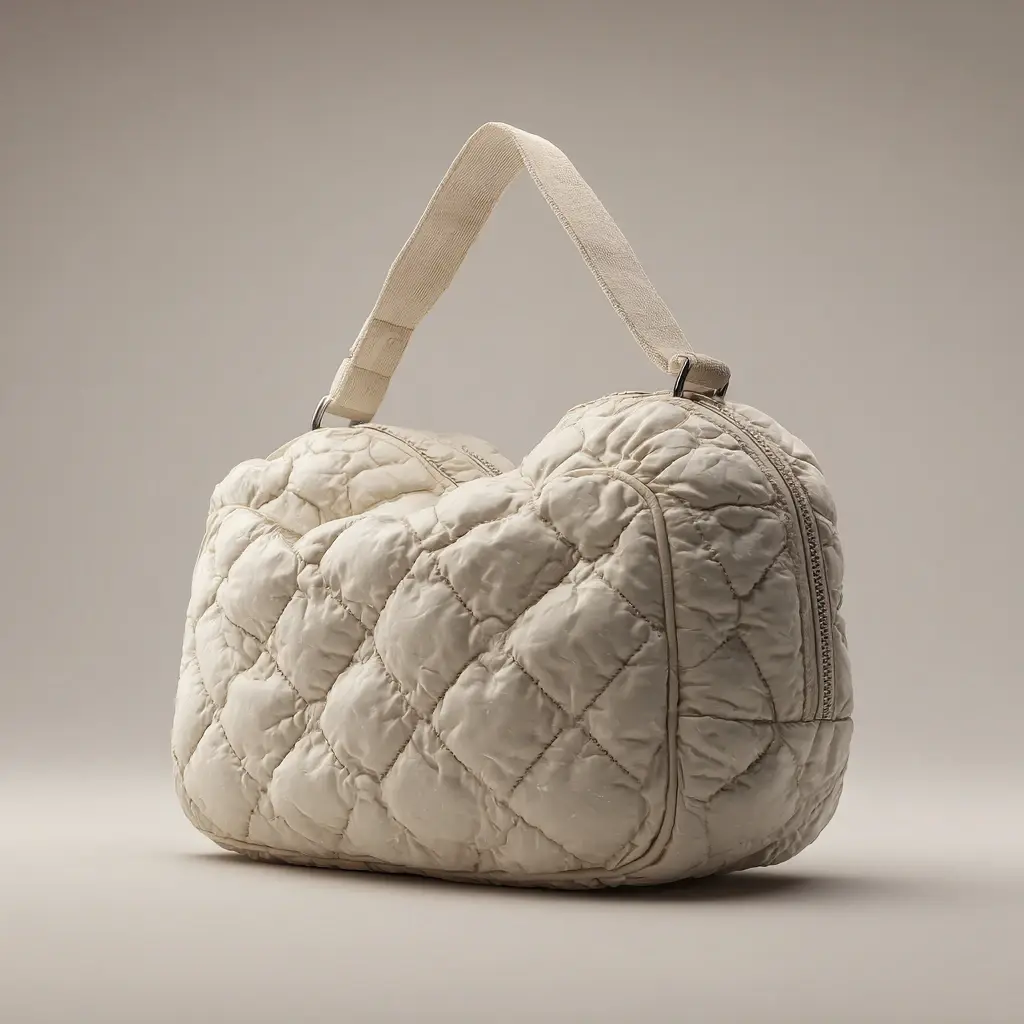
Policy C: The Sixty-Day Exchange-First Policy
Sixty days, free returns, and a structural preference for exchange over refund: the customer is offered a different colourway, a different size or store credit at 110 per cent of the refund value before a cash refund is mentioned. It produces the highest repeat purchase rate of the three and the highest return rate, usually 14-16 per cent, because a longer window invites trial.
It works when a brand has the stock depth to support exchanges, which means holding back roughly 8 per cent of each colourway as exchange reserve rather than selling the lot through. It fails when the reserve does not exist, because an exchange offer that cannot be fulfilled becomes a refund plus an apology. For a first-season brand running 500 pcs per style / colourway, holding back 40 units of the hero colourway is the practical version of this policy, and it is the version worth copying.
The Three Policies Side by Side on Six Measures
The comparison below uses the same six measures for all three policies, because most published comparisons mix cost measures with satisfaction measures and end up recommending whichever one the author already preferred. Cost per return is calculated on a 2.6 kg parcel with a USD 16 outbound and return freight combined, a 5-7 day refund cycle, and a 60 per cent resale rate on units returned inside fourteen days.
| Measure | Policy A: 14-day strict | Policy B: 30-day inspected | Policy C: 60-day exchange-first |
|---|---|---|---|
| Expected return rate | 9-10 per cent | 11-12 per cent | 14-16 per cent |
| Cost per return handled | USD 14-18 | USD 16-22 | USD 19-26 |
| Share converted to exchange | 12 per cent | 38 per cent | 52 per cent |
| Repeat purchase within 12 months | 18-22 per cent | 27-31 per cent | 33-36 per cent |
| Exposure to wardrobing | Low | Moderate | High |
| Stock reserve required | None | 4 per cent | 8 per cent |
Read the table down the middle column and the trade-off is clear. Policy B costs 2-4 dollars more per return than Policy A and converts three times as many returns into exchanges, which recovers the freight twice over because an exchange keeps the revenue. Policy C beats both on loyalty and loses on cost control, which is why it belongs to brands past their second season, when the exchange reserve can be funded without starving the opening order.
What a Single Return Costs, Line by Line
Most brands count the refund and stop. The full cost of one returned handbag includes the outbound freight you already paid, the return freight, the inspection labour, the repack, and the markdown on units that cannot be resold as new. On a USD 150 retail handbag with a USD 42 landed cost, the arithmetic looks like this.
| Line | Amount | Notes |
|---|---|---|
| Outbound freight, already spent | USD 8-11 | Non-recoverable on a free-shipping order |
| Return freight | USD 8-12 | Free to the customer under Policies B and C |
| Inspection and repack labour | USD 3-4 | Six to nine minutes per unit at warehouse rates |
| Resale markdown if not as new | USD 18-34 | Outlet channel at 40-55 per cent off retail |
| Payment processing loss | USD 4-6 | Non-refundable gateway fee plus chargeback risk |
Add the rows and a return that resells as new costs USD 23-33, while one that goes to outlet costs USD 41-55. That spread is the entire argument for inspection quality and a short return window: the difference between the two outcomes is not the refund, it is whether the unit returns to full-price stock. A brand handling 110 returns across a 1,000-unit season is looking at USD 2,500-6,000 of return cost, which is 4-8 per cent of revenue and usually the second-largest line after freight. Accessories Council commentary on accessories retailing makes the same point: resale value, not freight, is what decides whether a return is cheap.
The Defect Threshold That Decides What You Can Promise
A generous returns policy is only affordable if the product rarely arrives defective. That is a production question, not a service question, and it is settled before the parcel ever reaches a customer. Inspection at AQL 2.5 under ISO 2859-1 on a 500-1,200 piece lot samples 80 units at General Level II and accepts five majors, which in practice means roughly 2-3 per cent of units can carry a defect a customer would notice. If your policy promises free returns, that 2-3 per cent is your floor for return-driven cost.
Two specification habits move the floor. The first is naming the defects that trigger an automatic free return: strap separation, zipper failure within thirty pulls, hardware tarnish visible at arm's length, and colour deviation above ΔE 1.5 under D65. The second is agreeing who pays for the consequence. Under FOB Xiamen terms the goods transfer at the port, so a defect discovered by an end customer is commercially your problem; that is the reason to spend the inspection man-day rather than save it. Brands that skip this step fund their returns policy out of margin they did not plan to give away.
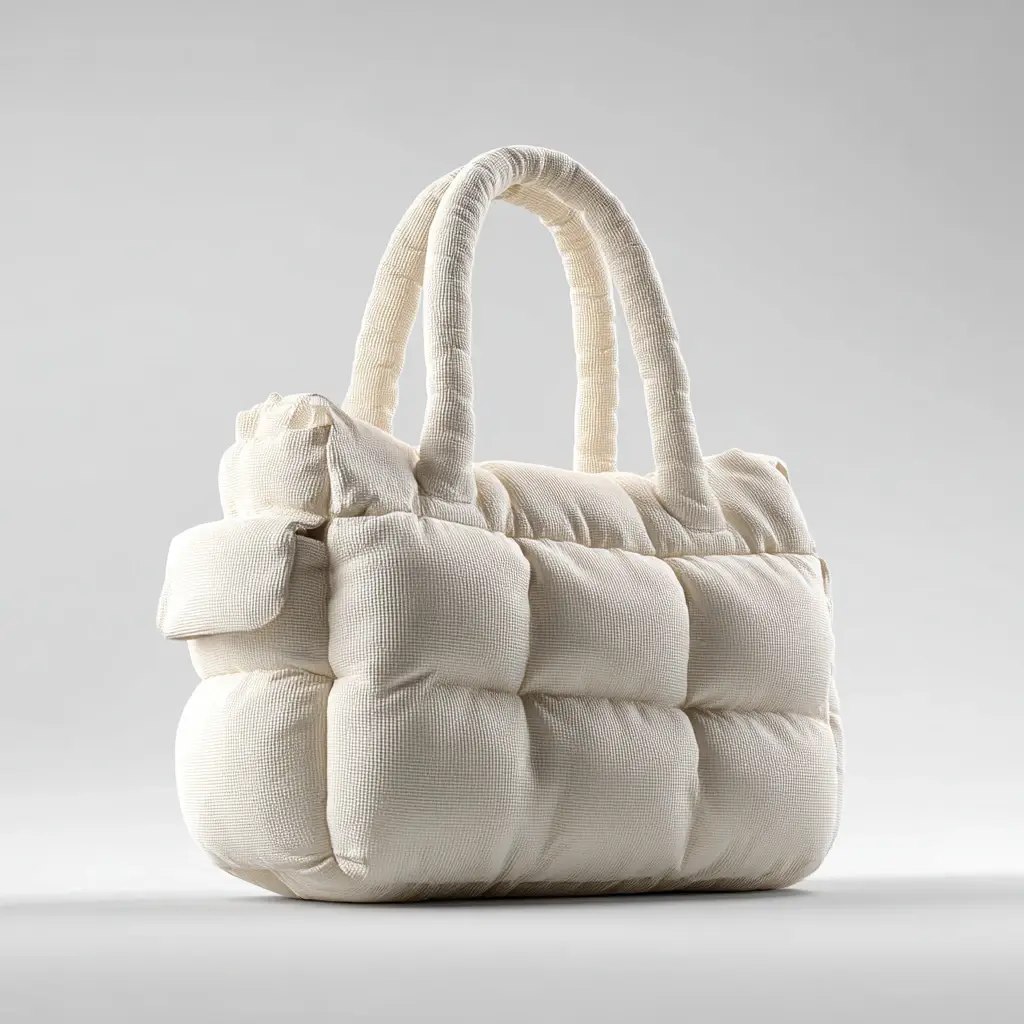
Matching the Policy to Your Stage of Business
The right policy is a function of stock depth, cash position and how much service capacity exists, not of what a competitor publishes. Three stages map onto the three policies with reasonable reliability, and moving up a stage early is the most common way a young brand converts a loyalty gain into a cash problem.
- First season, up to 1,000 units: run Policy B with a shorter stated window of 21 days. You get the conversion benefit of a free return without carrying an exchange reserve you cannot afford.
- Second to fourth season, 1,000-3,000 units: full Policy B at 30 days, with 4 per cent of each colourway held as exchange reserve and a 5-7 day refund cycle published on the site.
- From season five, 3,000 units and above: move to Policy C, provided the exchange reserve reaches 8 per cent and the warehouse can turn a returned unit around inside 48 hours.
- At every stage: keep the defect list and the inspection standard fixed. A policy change should never be the thing that absorbs a quality problem.
The Scripts That Turn a Refund Into an Exchange
The difference between Policy B's 38 per cent exchange rate and Policy A's 12 per cent is mostly language. A refund offer ends the conversation; an exchange offer continues it. Four scripts carry most of the gain, and none of them requires a discount.
- Ask what was wrong before offering the outcome. "Can you tell me what did not work about it?" produces a reason you can solve, and customers who name a reason accept an alternative far more often than customers who are handed a returns label.
- Lead with the specific alternative, not the concept of exchange. "The same shape comes in the wider 32 cm body, which sits better with a laptop" is an offer; "would you like an exchange" is a form.
- Price the alternative against the refund, never against retail. "The exchange ships free today and the refund would take 5-7 working days to reach your account" is honest and usually decisive.
- Offer credit at 110 per cent only when the customer has already bought twice. On a first purchase the uplift reads as pressure; on a repeat customer it reads as a thank-you.
Response time matters as much as wording. First reply inside four working hours correlates with a materially higher exchange rate in most service data, because the customer is still in the decision rather than already shopping elsewhere. A brand answering in 24 hours is not offering a service, it is processing a queue. The cost of staffing four-hour replies across a 110-return season is far below the value of the exchanges it produces, which is why this is one of the few places where adding labour pays for itself.
What to Measure After Every Return Lands
Four numbers, collected per return rather than per month: days between delivery and return, condition score at intake, outcome (resale, outlet, scrap), and whether the customer bought again within ninety days. Those four turn a service function into a product feedback loop. A rising average return age points at a policy problem; a falling condition score points at a materials or construction problem; a rising outlet share points at packing and transit damage.
The loop closes when the data reaches the specification. A returns pattern that keeps showing base-corner wear on one silhouette is a construction note, not a customer-service note, and it belongs in the next sampling round rather than in the script library. Brands that route it there end up with a lower return rate without ever tightening the policy, which is the only version of this problem that improves both loyalty and margin at once. The legal side of what a policy can and cannot say is covered in the labelling and trademark basics for founders, and the quantity planning that funds an exchange reserve is set out in the first-order forecasting guide. How the production programme behind the product is organised sits on the about page.
A Condition Score That Sorts Resale From Outlet
Resale value is decided in the first four minutes of intake, and a score makes that decision repeatable. Five criteria at 0-2 points each: hardware condition, base and corner wear, interior cleanliness, odour, and completeness of dust bag and tag. Eight or more resells at full price, five to seven goes to outlet, four or fewer is written off. About 60 per cent score 8 or above when the unit returns inside 14 days, and that falls to 35 per cent after day 21.
| Criterion | 2 points | 0 points |
|---|---|---|
| Hardware | No marks at arm's length | Tarnish or scratches visible |
| Base and corners | No abrasion | Wear through the finish |
| Interior | Clean, no marks | Staining or debris |
| Odour | Neutral after 24 hours | Smoke or perfume after 24 hours |
| Completeness | Dust bag, tag and card | Two or more missing |
The Refund Reserve and the January Trough
A returns policy is a cash commitment, and it arrives in the month after the peak. Revenue is booked at dispatch, the refund leaves 5-7 working days after the parcel lands, and a December season produces a January outflow that no forecast built on net revenue anticipates. Holding 9-11 per cent of December revenue for 45 days covers the refunds, the return freight and the outlet markdown, and the card chargeback window runs to 120 days, which is longer than most brands plan for.
- Reserve. 9-11 per cent of peak-month revenue, held 45 days rather than spent on the next buy.
- Timing. Refund at day 5-7 after receipt, so a 30-day window means January cash rather than December.
- Chargebacks. 120 days on card payments; a chargeback rate above 0.5 per cent attracts a review.
- Outlet. A 40-55 per cent markdown on units that fail the score, budgeted inside the same reserve.
If returns are climbing on a specific style, send the condition scores and the defect pattern. We will read them against the construction and come back with a fix for the next run. Get a Quote → /contact-quote/
Frequently Asked Questions
What is a normal return rate for an online handbag brand?
Between 8 and 12 per cent for direct-to-consumer handbags, with the low end belonging to brands with detailed size photography and the high end to brands selling at higher price points where customers deliberate longer. Rates above 15 per cent usually indicate a fit or expectation problem rather than a generous policy, and the fix sits in the product page.
Should a handbag brand charge for return shipping?
Charge on the second return of an order, not the first. Free first returns lift conversion by more than they cost, while a charge on repeat returns filters the small share of customers who order three units to keep one. Publishing the rule clearly at checkout is what makes the difference between a policy and a surprise.
How long should a handbag returns window be?
Thirty days is the practical optimum. Twenty-one days protects resale value better but reads as restrictive on a high-ticket item, and sixty days improves loyalty at the cost of a 14-16 per cent return rate and a larger exchange reserve. The window should also match the season: a bag bought in December needs longer than one bought in April.
Does a generous returns policy really increase loyalty?
It increases repeat purchase, which is the measurable part of loyalty. Brands running a 30-day free return typically see 27-31 per cent of customers buy again within twelve months, against 18-22 per cent for a 14-day policy with a restocking fee. The mechanism is confidence: a customer who knows the return is easy buys the second bag without needing to be convinced again.
How do I stop customers from wearing a handbag and returning it?
Three controls work together: a thirty-day window rather than sixty, a condition list that names scuffs, odour and stretched handles, and a partial refund offer instead of a rejection. Wardrobing is a small share of returns, usually under 3 per cent, and treating every customer as a suspect costs more in lost repeat orders than the abuse saves.
What should a handbag returns policy say about defects?
Name the defects that qualify for a free return and full refund: strap separation, zipper failure, tarnished hardware, and colour deviation visible in daylight. Vague language such as manufacturer defect invites dispute, because the customer cannot tell what qualifies. A named list also gives your inspection team the same standard to work from at intake.
How much does one returned handbag cost a brand?
Between USD 23 and USD 33 if the unit resells as new, and USD 41-55 if it has to go to an outlet channel. The difference is almost entirely resale value rather than logistics. That is why the inspection step and the twenty-one day threshold matter more than the refund itself when a brand is trying to control return cost.
Do exchanges really cost less than refunds?
Substantially less, because the revenue stays and only the logistics cost is repeated. A refund returns the full retail price plus two freights plus processing; an exchange repeats one freight and keeps the sale. The catch is stock: an exchange offer only works if a reserve of each colourway exists, which is why the policy and the buying plan have to be set together.
When should a handbag brand move to a sixty-day policy?
When it can hold 8 per cent of each colourway as exchange reserve and turn a returned unit around in 48 hours. Before that point, a sixty-day window creates refunds the brand cannot convert, because the alternative size or colour is already sold out. Policy follows stock depth, not ambition.
How fast should a brand reply to a return request?
Within four working hours during business days. The exchange rate falls sharply once a customer has had time to shop elsewhere, and the first reply is where the decision is still open. Staffing for a four-hour response across a hundred returns a season costs less than the exchanges it recovers.
What returns data should feed back into production?
Four fields per return: days from delivery to return, condition score at intake, outcome, and whether the customer repurchased. Grouped by style, those fields show whether a problem is construction, material or transit. A pattern of base-corner wear across one silhouette is a reinforcement note for the next sampling round, not a service script.
Can a returns policy be too generous for a new brand?
Yes, and the usual failure is a sixty-day window funded by stock that does not exist. A first-season brand offering generous terms without an exchange reserve ends up refunding everything, which costs the full retail price plus both freights on every return. Start at twenty-one to thirty days and extend once the reserve can be financed.
People Also Ask
What is the cheapest way to handle handbag returns?
Sell the unit again. Anything that shortens the time between delivery and return, or improves the condition it arrives in, is worth more than a cheaper courier. A unit resold as new costs USD 23-33 to process; the same unit sold through an outlet costs USD 41-55, and the gap is resale value, not freight.
Should returns be handled in-house or outsourced?
Outsource the logistics and keep the decision in-house. A third-party warehouse can receive, inspect and repack at USD 3-4 per unit, but the exchange offer, the partial refund call and the script belong to the brand, because those are the moments that decide whether the customer returns. Splitting it this way keeps cost low and control intact.
How do returns affect a handbag brand's cash flow?
Badly, and later than expected. Revenue is booked at dispatch but cash leaves again on the refund 5-7 working days after the parcel arrives, so a December sales peak produces a January refund trough. Forecast the return rate as a cash item, not only as a revenue adjustment, or the first quarter will feel inexplicably tight.
Is store credit better than a refund for loyalty?
It is better for cash and roughly neutral for loyalty when offered honestly. Credit at 110 per cent of the refund value works on customers who already trust the brand, and reads as a manoeuvre to a first-time buyer. Offer credit as the second option, after a specific exchange, and never as the only route to resolution.
Sources and further reading
Every figure on this page is either our own programme data or attributed below. Open the originals before you write them into a specification.
- Incoterms rulesICC The rules that decide where cost, risk and insurance transfer.
- FashionUnited — fashion industry news and dataFashionUnited Industry news and company data for the fashion sector.
- Accessories Council — accessories industry bodyAccessories Council Accessories industry body tracking handbag category direction.