How to Use Influencers to Launch a Handbag Brand on TikTok
How do you use influencers to launch a handbag brand on TikTok? Seed 36 units out of a 500-pcs order, brief each creator on one fact instead of one script, and decide the restock inside 72 hours of the first clip landing. That is the whole method, and it fails in one specific way when it fails: brands seed before the goods are sellable, a clip does 1.2 million views, and the store has 464 units left with a 35-50 day replenishment cycle behind them. Everything below is a checklist item with the reason attached, written for a first launch where the entire order is 500 pcs per style / colourway and there is no second production slot booked.

- The Seeding Checklist Before You Ship a Single Bag
- Sizing the Seed: How Many Units to Give Away
- Briefing Creators Without Killing the Hook
- Product Signals Hidden in the Comment Section
- Turning One Clip Into a Repeatable Content Loop
- Contracts, Usage Rights and What to Pay For
- Measuring a Seed Beyond View Counts
- Restocking Before the Clip Goes Cold
- When Paid Creator Spend Beats Free Seeding
- What One Seeded Unit Actually Costs
- Parcel Specification for a Creator Shipment
- The Thirty-Day Seed Calendar
How do you use influencers to launch a handbag brand on TikTok? Seed 36 units out of a 500-pcs order, brief each creator on one fact instead of one script, and decide the restock inside 72 hours of the first clip landing. That is the whole method, and it fails in one specific way when it fails: brands seed before the goods are sellable, a clip does 1.2 million views, and the store has 464 units left with a 35-50 day replenishment cycle behind them. Everything below is a checklist item with the reason attached, written for a first launch where the entire order is 500 pcs per style / colourway and there is no second production slot booked.
The numbers behind a 500-piece creator launch
The Seeding Checklist Before You Ship a Single Bag
A seed is a logistics operation wearing a marketing costume. Nine things have to be true before the first carton leaves, and every one of them is cheaper to fix before shipping than after a clip goes out. Work the list in order, because items five and six are the ones that actually cost brands their launch.
- Sellable inventory is confirmed, not expected. Seeding against a lot that has not passed inspection at AQL 2.5 risks promoting a product you may have to re-sort.
- The product page can take traffic. Check load time on a phone, checkout on a phone, and the payment method the audience actually uses.
- Stock count in the store is live. Overselling 500 units by 300 creates refunds and a reputation problem that no second clip repairs.
- A restock decision owner is named. One person, with authority to commit to a second run inside 72 hours.
- A restock slot exists. Sampling is 6-10 working days and bulk is 35-50 days; if no slot is pencilled in, the seed is a one-off.
- The hero fact is written down. One sentence, 18 to 22 words, that a creator can say in their own voice without reading.
- Tracking is per creator. Unique code or unique link per name, or the whole exercise yields no usable data.
- Returns policy is published. Creator audiences return at a higher rate than search traffic, so the policy must be written first.
- Packaging survives a courier. A box that arrives creased films badly on video, and unboxing is the format.
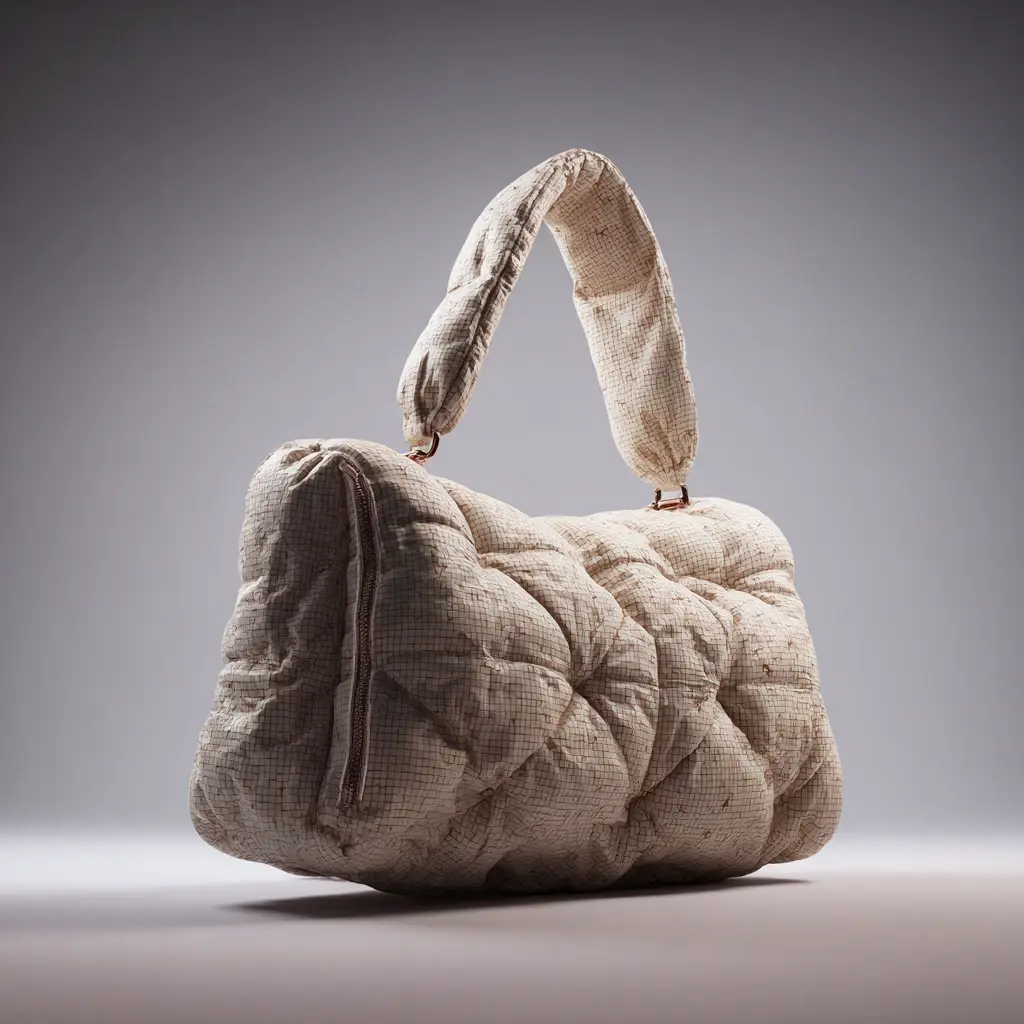
Items five and six deserve the emphasis. Most first launches seed in week one of having inventory and discover in week three that the interesting clip happened in week two, with the entire remaining stock sold by week four and nothing reorderable for another six to eight weeks. The remedy is unglamorous: before seeding, pencil in a second run and ask what the lead time would be if it were released on 24 hours' notice.
Sizing the Seed: How Many Units to Give Away
The seed should be small enough to be a rounding error and large enough to be statistically readable. On a 500-piece order that means roughly 36 units, which is about 7 per cent of the run and costs the same as a modest paid test. Fewer than about 24 creators and you cannot tell a good clip from a lucky one; more than about 60 units and you are giving away margin that the paid channel would have bought more cheaply.
Split the wave deliberately. Put 12 units with creators who have smaller but tighter audiences, 18 with mid-size accounts whose engagement rate you have actually checked, and hold 6 back for the second wave — the creators who ask for a bag after seeing the first clips go out. Those inbound requests convert better than anyone on your original list, and having six units in reserve is the cheapest advantage in the whole plan.
Briefing Creators Without Killing the Hook
A brief that scripts the video produces a video nobody watches. A brief that gives one fact produces thirty different videos that all say the same true thing, which is the outcome you want. Send three lines and nothing else: the one fact, the one thing the bag does that is unusual, and the one thing not to claim.
- The fact: one verifiable sentence, such as the strap being tested to 25 kg or the leather tracing to a single rated tannery.
- The demonstration: one action that films well — the bag standing up empty, the lining pulling out, the strap adjusting one-handed.
- The boundary: one thing not to say, usually a safety or composition claim the documentation cannot support.
- No script, no required caption, no approval right on organic posts, because approval rights are what turn a creator into a media buyer with a grudge.
The boundary line matters legally as well as creatively. A creator who improvises a claim about composition or safety creates exposure under frameworks like CPSIA and California Prop 65, and the name on the product is the brand's. Write the forbidden claim into the brief and into the contract, and keep a copy of what was sent.
Product Signals Hidden in the Comment Section
The most valuable output of a seed is not the video, it is the questions underneath it. Read every comment on the first ten clips and sort them into three buckets: what is it made of, will it fit my laptop, and how much is it. Those three answers belong on the product page within 48 hours, and they usually are not.
The second bucket is a specification signal, not a marketing one. If thirty people ask whether a 13-inch laptop fits, the answer is a dimension in centimetres on the page and, on the next run, a slightly deeper body. That feedback loop is faster and cheaper than any survey, and it reaches the specification while the second order is still changeable — before the 6-10 working days of sampling window closes on the next colourway.
| Comment pattern | Change within 48 hours | Change on the next run |
|---|---|---|
| What is it made of | Material line above the price | Tannery or GRS certificate named in the copy |
| Will it fit my laptop | Interior dimensions in centimetres | Body depth revised by 10 to 15 mm |
| How much is it | Price in the first three seconds of the clip | Tiered price point tested |
| Is the strap adjustable | Worn shot showing the full drop range | Strap drop range widened to 45-58 cm |
Turning One Clip Into a Repeatable Content Loop
One good clip is a lottery ticket; a loop is an asset. The loop has four stages and it should be running before the seed ships, because the second and third stages need material that only exists if you planned to capture it.
- Seed: 36 units out, one fact per brief, unique tracking per creator.
- Harvest: clip the best 15 seconds of every creator video within 24 hours, with permission written into the brief.
- Reuse: run those clips as paid creative for 14 days, because creator footage outperforms studio footage on the same spend.
- Recruit: show the best-performing clip to the next 30 creators as proof the product films well, which roughly doubles reply rates.
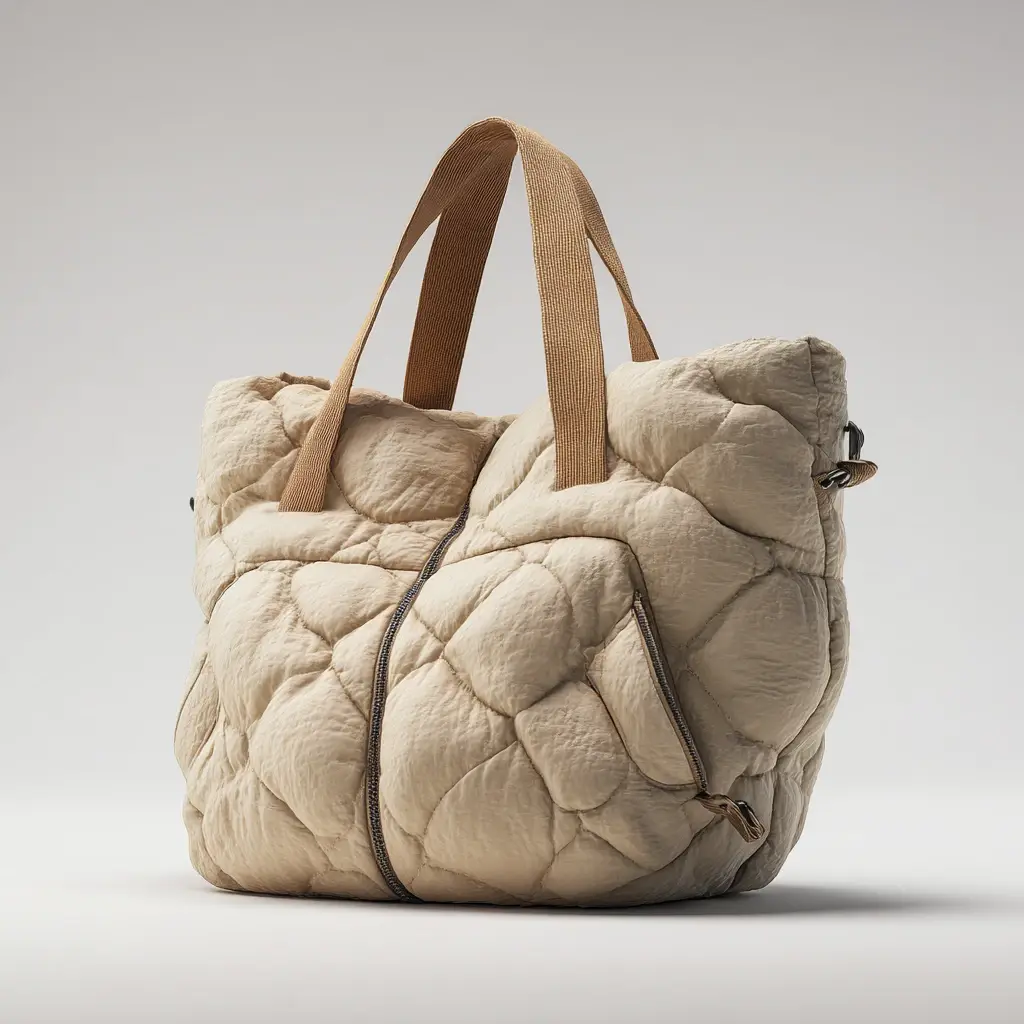
Stage four is where the compounding happens and it is almost always skipped. A creator deciding whether to open your parcel is deciding whether the product will make them look good, and the single most persuasive evidence is another creator's clip with a view count on it. Send it.
Contracts, Usage Rights and What to Pay For
Paying is not the same as seeding, and the distinction should be explicit in writing. A seeded unit buys you a post with no obligation and no usage rights. A paid post buys you defined usage for a defined period, and the price of that usage is the part brands underbudget.
- Seeded, no fee: the creator posts if they like it. No usage rights, no approval, no deadline. Ask for a tag and nothing more.
- Paid post, 30-day usage: you may run the video as advertising for 30 days. Expect this to be quoted separately from the post itself.
- Paid post, 12-month usage: you may run it for a year, usually across paid social only and not on the product page or in retail.
- Wholesale and retail usage: a separate licence again, and the one most likely to be forgotten when a marketplace or stockist asks for assets.
- Written claim boundary: the one forbidden sentence, restated in the contract, with the brief attached as an annex.
Keep the documents with the lot file. When a dispute later arises about what a creator was told — and a dispute will arise, usually about a claim in a comment reply — the brief with its date is the only thing that settles it.
Measuring a Seed Beyond View Counts
Views are the measure creators sell and the one that predicts least. Four numbers actually matter, and they should be on one page per creator: engagement rate, clicks attributed to that creator's code or link, conversion rate on those clicks, and the return rate of the resulting orders.
Engagement rate is the filter. A clip with 1.2 million views and 0.4 per cent engagement reached people who were scrolling; a clip with 40,000 views and 3.4 per cent engagement reached people who were shopping. Buy the second creator next time, even though the first one sends the better screenshot. Conversion rate is the second filter: a creator audience that clicks at 9 per cent and buys at 0.6 per cent is an audience of browsers, and no amount of further seeding will fix that.
Return rate is the one nobody tracks, and it is the one that separates a real audience from a curiosity-driven one. Creator traffic on handbags returns noticeably higher than search traffic, because the purchase is faster and less considered. Anything above roughly 18 per cent on seeded orders is a signal that the brief promised something the bag does not do.
Restocking Before the Clip Goes Cold
Demand from a clip decays fast — most of the attributable sales land inside nine days — and production does not move fast. Sampling runs 6-10 working days, bulk runs 35-50 days, and that is before freight. The decision therefore has to be made from leading indicators inside 72 hours, not from completed sales three weeks later.
The trigger should be written down before the seed ships, so that nobody is improvising it during the interesting week. A workable version: if two or more creators have passed a 3 per cent engagement rate and attributed clicks have cleared 9,400 within 72 hours, release a second run of 500 pcs in the same colourway. Releasing it costs a commitment; not releasing it costs the season, because the next slot is six to eight weeks out and the audience has moved on.
When Paid Creator Spend Beats Free Seeding
Free seeding is the right first move while the product is unproven, because it buys information cheaply and produces reusable footage. It stops being the right move once three things are true: you know which creator profile converts, you have footage that performs as paid creative, and you have a restock slot you can actually release.
At that point the marginal unit is better spent on a paid post with defined usage rights than on a free unit with none, because the paid post is repeatable and the free one is not. The transition usually happens on the third drop, and the signal is simple: when the cost of a paid post with 30-day usage falls below the retail value of the units you would otherwise give away per converting creator, switch.
Two reads close this out. The clips will only work if the bag photographs well in a phone frame, which is the frame pack creators actually reuse; and the fact a creator is asked to say has to be one you can prove, which is the sentence a creator can repeat. Everything else sits on the sourcing side, described in how a private label programme is put together.
What One Seeded Unit Actually Costs
A seeded unit is not free product, it is marketing spend at retail value plus the cost of getting it there, and treating it as a rounding error is how a launch loses a fifth of its contribution without noticing. On a 500-piece order at 11.40 FOB, a unit lands near 14.82 and retails at 49, so thirty-six units carry about 1,764 of retail value and about 533 of landed cost, plus 36 parcels at 6-9 USD each to post them. Set that against a paid post with 30-day usage at 250-600 and the comparison becomes arithmetic rather than taste. The unit economics behind the contribution figure is where the 49 retail comes from.
| Line | Free seed, 36 units | Paid post, 12 creators |
|---|---|---|
| Product at landed cost | 533 | 178 |
| Outbound parcels | 234-324 | 78-108 |
| Fees for defined usage | 0 | 3,000-7,200 |
| Total cash | 767-857 | 3,256-7,486 |
| Usage rights obtained | None | 30 days to 12 months, defined |
| Cost per converting creator | Varies with reply rate | Known in advance |
Parcel Specification for a Creator Shipment
Unboxing is the format, so the parcel is part of the content and its specification belongs in the plan rather than in the packing room. A bag that arrives in a crushed carton produces a video about a crushed carton. The numbers below are what a small accessories label can hold to without a fulfilment partner: one inner carton, one wrap, one card, and a packed weight low enough to stay inside the cheapest parcel band.
- Inner carton. 260 x 200 x 90 mm with a 3 mm corner clearance, so a puller cannot press into the panel across a 3-5 day domestic transit.
- Fill. 25 gsm tissue to about 70 per cent of body volume; a 220 mm body holds its shape without creasing the front panel.
- Packed weight. About 480 g including the carton, which keeps the parcel inside the lowest weight band on most carrier schedules.
- International creators. 7-12 days in transit, declared at retail value; a parcel held at customs arrives after the moment has passed.
- Damage allowance. Expect 2-4 per cent of parcels to arrive marked; hold 2 of the 36 back for replacements rather than re-cutting sellable stock.
The Thirty-Day Seed Calendar
The window in which a seeding wave produces sales is about nine days, and the window in which a restock can still catch it is about three. Everything in the calendar is therefore arranged backwards from day 3, which is when the decision to release a second run has to be made. Write the trigger before the parcels go out, because the interesting week is the worst week to improvise a purchase order.
| Day | Action | Number that governs it |
|---|---|---|
| Day -14 | Lot passed at AQL 2.5; 36 units picked and set aside | 500 pcs per colourway; 36 is about 7 per cent |
| Day -7 | Parcels packed at 480 g, 30 out and 6 held | 6 held back for inbound requests |
| Day 0 | Ship 30 parcels | 3-5 days domestic, 7-12 international |
| Day 2-5 | Clips land; harvest the best 15 seconds within 24 hours | Permission written into the brief |
| Day 3 | Restock decision | Two creators above 3 per cent and 9,400 clicks |
| Day 4 | Comment sort and the 48-hour page fix | Three questions answered on the product page |
| Day 9 | About 80 per cent of attributable sales landed | The decay curve, not the view count |
| Day 14-28 | Best clips run as paid creative for 14 days | Creator footage beats studio on the same spend |
| Day 30 | Wave two recruited with the best clip attached | Reply rates roughly double |
Tell us your launch date and we will quote 500 pcs per style / colourway with a sampling slot that leaves room for a second run inside 72 hours. Get a Quote → /contact-quote/
Frequently Asked Questions
How many handbags should a brand seed for a first TikTok launch?
About 36 units from a 500-piece order, which is roughly 7 per cent of the run. Below 24 creators you cannot distinguish a good clip from a lucky one, and above 60 units you are giving away margin the paid channel would have bought more cheaply. Hold six units back for creators who ask after the first clips appear.
Should seeding happen before or after the goods arrive?
Strictly after the lot has passed inspection at AQL 2.5 under ISO 2859-1 and the store can take traffic. Seeding against an uninspected lot risks promoting a product that may need re-sorting, and seeding against a store that cannot check out on a phone wastes the only window the clip creates.
What should a creator brief actually contain?
Three lines: one verifiable fact, one action that films well, and one claim not to make. No script, no required caption and no approval right on organic posts. The forbidden-claim line protects the brand when a creator improvises something about composition or safety that the documentation cannot support.
How quickly should a restock decision be made?
Within 72 hours of the first clip landing, using leading indicators rather than completed sales. Sampling runs 6-10 working days and bulk runs 35-50 days, so waiting three weeks for clean sales data puts the next sellable stock six to eight weeks past the moment the audience was interested.
Is view count a useful measure of a seeded clip?
It is the least useful of the four. Engagement rate filters better: a 40,000-view clip at 3.4 per cent engagement reached shoppers, while a 1.2 million-view clip at 0.4 per cent reached people scrolling. Then track attributed clicks, conversion on those clicks, and the return rate of the resulting orders.
Do brands need usage rights for creator videos?
Yes, and they are priced separately from the post. A seeded unit buys a post with no licence to reuse it. Running the video as advertising needs a defined licence — commonly 30 days or 12 months for paid social — and using it on a product page or with a stockist needs another one again.
Why do creator orders return at a higher rate?
Because the purchase is faster and less considered than a search-driven one. Returns above roughly 18 per cent on seeded orders usually mean the brief promised something the bag does not do, which is a briefing problem rather than a product problem. Fix the demonstration in the brief before changing the product.
When should a brand stop seeding and start paying creators?
Once three things hold: you know which creator profile converts, you have footage that performs as paid creative, and a restock slot can actually be released. That usually lands on the third drop, when a paid post with defined usage costs less than the retail value of the units given away per converting creator.
How do comments on clips feed back into the product?
Sort them into what it is made of, will it fit my laptop, and how much is it. The first two are specification signals, not marketing ones: a laptop question becomes interior dimensions in centimetres on the page and, on the next run, a body 10 to 15 mm deeper before the sampling window closes.
What is the fastest way to waste a seeding budget?
Seeding a product that is not reorderable. A clip drives most of its attributable sales inside nine days, and if no second production slot exists the brand sells out of 500 units and waits six to eight weeks while the audience moves on. Pencil the slot in before the first carton ships.
Can creator footage be reused as advertising?
Only with the licence in place, and it is worth having because creator footage generally outperforms studio footage on the same spend. Ask for the right to clip the best 15 seconds inside the original brief, with a 30-day paid usage licence, then run it for 14 days before judging it.
How does creator seeding connect back to production planning?
Through the calendar. The 6-10 working days of sampling window and the 35-50 day bulk run are the two fixed constraints, and every seeding decision has to be scheduled around them. A launch date set without those windows produces either unsold inventory or a sold-out store with nothing to sell.
People Also Ask
Does influencer seeding actually work for handbag brands?
It works when it is scheduled rather than improvised. The product has to be sellable and reorderable before the first unit ships, because most attributable sales from a clip land inside nine days while replenishment takes six to eight weeks. Brands that seed without a pencilled-in second run sell out and lose the season.
What is a good engagement rate for a handbag creator clip?
Around 3 per cent is the threshold worth acting on. A clip with 40,000 views at 3.4 per cent engagement reached people who were shopping, whereas 1.2 million views at 0.4 per cent reached people who were scrolling. Use engagement as the filter for who to pay next time, not views.
How much inventory should be held back from a seed?
Roughly 6 units out of 36, reserved for the creators who ask for a bag after seeing the first clips. Those inbound requests convert better than anyone on the original list, and holding a small reserve costs nothing while giving the second wave a materially higher hit rate.
Should a brand script what creators say about the bag?
No. Give one verifiable fact, one demonstration and one forbidden claim, then let the creator write it. Scripts produce videos nobody watches, while a single fact produces thirty different videos that all say the same true thing, which is both better content and safer legally.
Sources and further reading
Every figure on this page is either our own programme data or attributed below. Open the originals before you write them into a specification.
- FashionUnited — fashion industry news and dataFashionUnited Industry news and company data for the fashion sector.
- Incoterms rulesICC The rules that decide where cost, risk and insurance transfer.
- World Intellectual Property OrganizationWIPO International trademark and design registration before tooling starts.