How to Onboard a Second Handbag Style Without Doubling Risk
How do you onboard a second handbag style without doubling your risk? Carry over at least 60% of the components from the style that already sells, sample the new pattern to the same written specification, run a pilot of 30-50 pieces before the bulk slot is booked, and only then commit the second 500 pcs. A second style is not a second business: it is a second pattern on components, hardware and a colour story that the first order already qualified, and the risk you actually take on is the 40% that is new, not the whole bag. Where the carry-over holds, sampling stays at 6-10 working days and the repeat pattern needs one revision round instead of three; where it does not, the second style behaves like a first order with a worse calendar, because nothing it uses has been tested yet.
- The Lyon Case: One Tote That Sold, One Crossbody That Waited
- The Carry-Over Audit: What the Second Style Inherits
- Share or Specify: A Component-by-Component Call
- The Pilot Run: 30 to 50 Pieces Before the Bulk Slot
- Sequencing the Second Style Against the First
- Where a Second Style Multiplies Risk Instead of Spreading It
- Twelve Items Before the Second Style Is Released to Bulk
- What Gets Cheaper on Style Two and What Gets Dearer
- The Close-Out File That Ends Onboarding
- The Pattern and Marker Work Behind the New Shape
- SKU Codes, Carton Sequences and the Inventory Tax
How do you onboard a second handbag style without doubling your risk? Carry over at least 60% of the components from the style that already sells, sample the new pattern to the same written specification, run a pilot of 30-50 pieces before the bulk slot is booked, and only then commit the second 500 pcs. A second style is not a second business: it is a second pattern on components, hardware and a colour story that the first order already qualified, and the risk you actually take on is the 40% that is new, not the whole bag. Where the carry-over holds, sampling stays at 6-10 working days and the repeat pattern needs one revision round instead of three; where it does not, the second style behaves like a first order with a worse calendar, because nothing it uses has been tested yet.
What the second style inherits
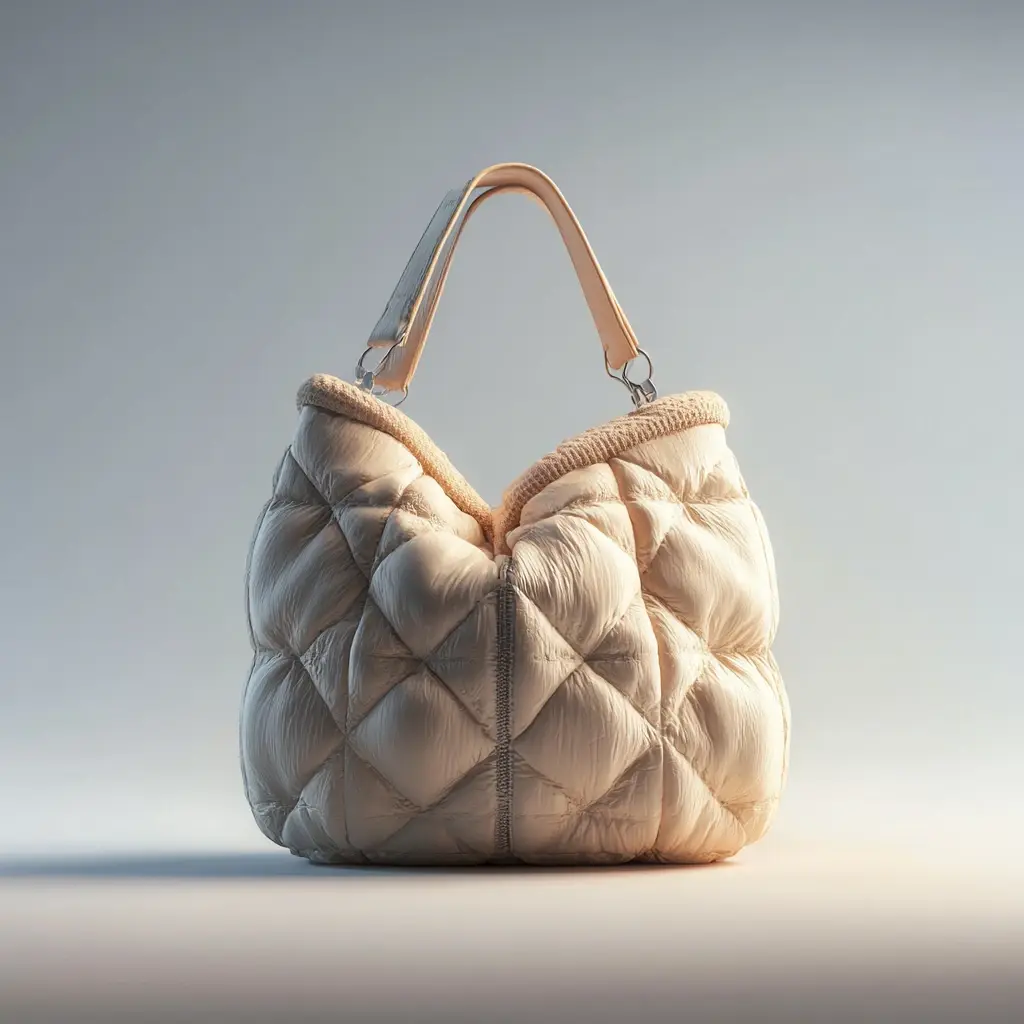
The Lyon Case: One Tote That Sold, One Crossbody That Waited
A Lyon boutique group ran 500 totes in tan through the autumn and sold out in eleven weeks, which is the point at which most brands add a second style and most second styles go wrong. The brief that arrived asked for a crossbody: new pattern, new lining colour, a different closure, a narrower strap and a second leather finish. Every one of those five choices was defensible on its own and together they turned a carry-over exercise into a fresh first order. The sampling ran three rounds instead of one because the closure and the strap width were being solved at the same time as the pattern, and the bulk slot slipped four weeks because the second leather finish was a new dye lot with no approved reference.
The revised brief kept the pattern change, kept the closure change, and put back the carry-over on three things: the same hide grade from the same tannery reference, the same lining in 210D, and the same plating specification with 24 hours to first corrosion tested to ASTM B117. Sampling came back in two rounds, the second dye lot was approved against a physical swatch at Delta E 2.0 or better, and the crossbody reached bulk four weeks earlier than the original plan. The difference was not more effort; it was a smaller surface area of novelty.
The Carry-Over Audit: What the Second Style Inherits
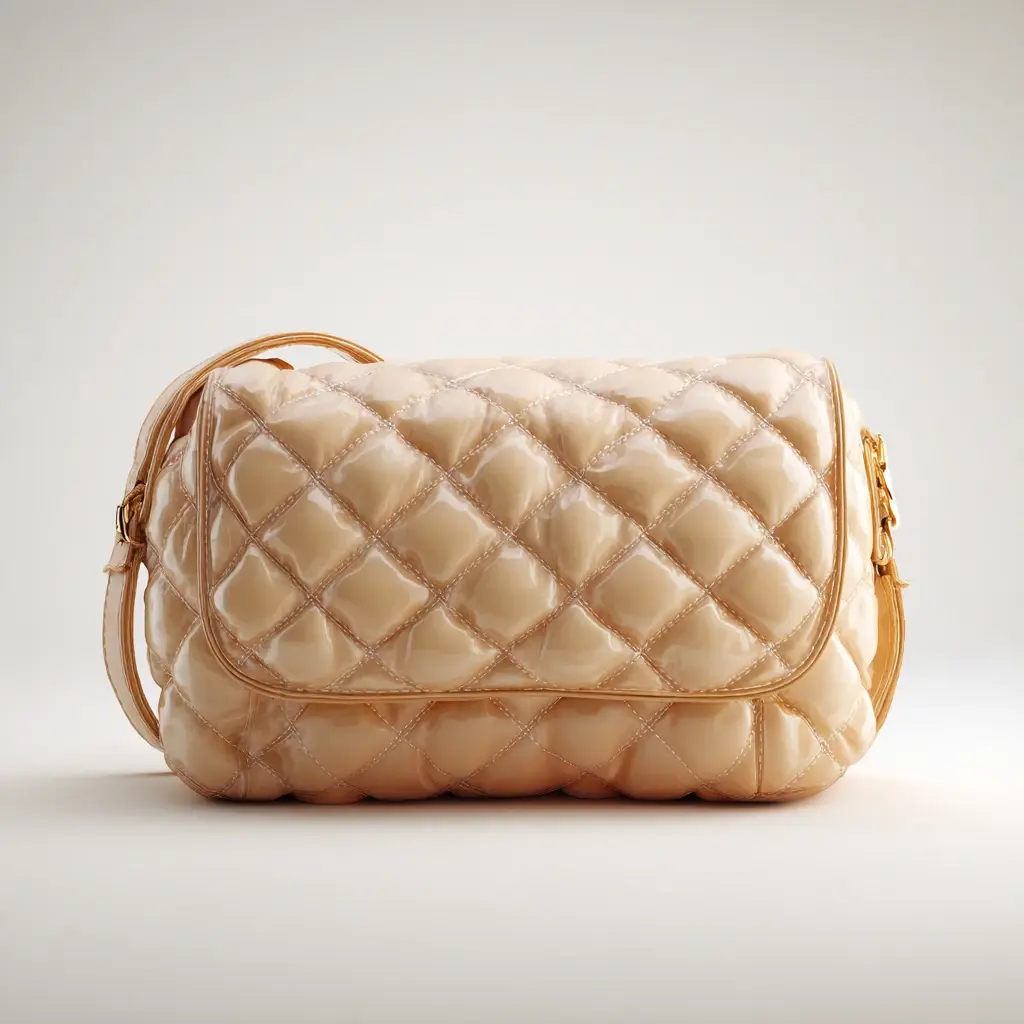
Before anything is drawn, list the first style's bill of materials and mark every line as carry-over or new. The audit is mechanical and it takes an hour, and it is the single highest-value hour in the whole onboarding. Anything marked carry-over is already qualified: it has a test report, an approved reference, a known yield and a supplier who has shipped it before. Anything marked new has none of those and carries the sampling risk on its own.
| Component line | Carry-over value | What changes if it is new |
|---|---|---|
| Body material | Highest | New dye lot, new swatch approval, new yield and possibly a new tannery reference |
| Lining and interlining | High | New weight and hand feel; 210D to 420D changes how the bag collapses |
| Hardware and plating | High | New tooling, new plating bath, new salt spray test at 24 hours |
| Thread and stitch spec | Medium | Tex 40 at 7-9 stitches per inch is the reference; changing it changes the seam test |
| Packaging and branding | Low | Dust bag and hangtag are cheap to change and rarely delay anything |
The target is 60% carry-over by component count, not by value. Below that, treat the second style as a first order and plan the calendar accordingly: sampling at 6-10 working days is achievable only where the material and hardware references already exist, and complex constructions run 12-15 working days. Above it, the new pattern is essentially a cutting and sewing question, which is the part of the process that is genuinely well understood.
Share or Specify: A Component-by-Component Call
Carry-over does not mean the second bag has to look like the first. It means the parts nobody sees should be identical, so that the visible difference is the only thing that needs qualifying. A private label coordinator will usually push on three specific lines.
- Hide grade and tannery reference, not colour. Two colourways or two styles can share a tannery reference and differ entirely in finish. Sharing the reference keeps Leather Working Group traceability and REACH test coverage on one certificate rather than two.
- Lining weight. Keeping 210D across the line means one roll, one colour standard and one shrinkage behaviour in the washing-free finishing stage. Moving to 420D for a structured style is fine, but it is a second inventory line.
- Hardware finish and plating hours. Sharing the plating specification means one bath and one salt spray result. A new finish means new tooling and, if a mould is involved, a one-off tooling charge that has to be amortised again.
Where a genuinely new component is unavoidable, isolate it. Change one of the five lines, not three. A new closure on a known bag is a manageable sample; a new closure on a new pattern in a new finish is three problems being solved in the same 6-10 working days, and the reason most second styles need three sample rounds is that three variables were introduced at once.
The Pilot Run: 30 to 50 Pieces Before the Bulk Slot
A pilot run is the cheapest risk instrument available on a second style. Thirty to fifty pieces are cut and sewn on the production line, with production tooling and production operators, before the full 500 pcs slot is booked. It costs a fraction of a failed bulk run and it answers three questions that a sample cannot: whether the pattern holds up at speed, whether the new component behaves in quantity, and whether the operators can hit the stitch density consistently rather than once.
- Pilot quantity
- 30-50 pcs on the production line, not the sample bench
- What is measured
- Stitch density 7-9 SPI, seam allowance 10 mm, strap attachment pull test
- Dimensional check
- Body width and gusset within plus or minus 3 mm of the tech pack
- Colour check
- Delta E 2.0 or better against the approved swatch under a defined light source
- Hardware check
- 24 hours to first corrosion, tested to ASTM B117
- Decision point
- Sign off, revise, or stop before the bulk slot is booked
The pilot is also where yield is proven. A tote consumes roughly 1.4-1.9 sq ft of hide depending on panel layout, and a new pattern shifts that figure; the pilot run is where the nesting is checked against real hides rather than against a drawing. If the new pattern raises consumption by more than about 8%, the unit price moves, and it is far better to find that out on 40 pieces than on 500.
Sequencing the Second Style Against the First
Two styles can be run in parallel or in series, and the choice is mostly about whether the first style is still selling. Where the first is a proven repeat with a stored specification, run it as a repeat and put the new pattern on a separate line; capacity across 7 production lines and about 200,000 pcs per month makes parallel running realistic above 1,000 pieces per style. Where the first style is itself still being proven, or where the total is under 1,000 pieces, run in series and accept the extra calendar.
| Option | Calendar | Cash flow | Suits |
|---|---|---|---|
| Parallel on two lines | 35-50 days for both | Both deposits at once | Total above 1,000 pcs and both specs frozen |
| Series, first then second | 70-95 days end to end | Staggered by about 40 days | Cash constrained, or the second spec still moving |
| Repeat plus pilot, then bulk | 35-50 days plus 10-15 for the pilot | Small pilot deposit first | A new pattern that has never run |
Whichever sequence is chosen, the deposit and the slot are booked together. This is the habit that separates brands whose launches land from brands whose launches slip, and it is covered in more detail in the walk-through of what happens after sample approval. Booking the slot at deposit rather than at approval matters most in the two windows when capacity tightens: the August to October export rush and the six weeks around Chinese New Year.
Where a Second Style Multiplies Risk Instead of Spreading It
The argument for a second style is usually diversification, and sometimes it is true. It stops being true in four specific situations, and the honest move in each is to delay rather than to rush.
- The first style has not repeated yet. A single sell-out is a signal; a repeat order at 500 pcs or more is evidence. Onboarding style two before the repeat means two unproven bets and no data on either.
- The second style needs a new material category. Moving from coated canvas to full-grain leather, or from leather to a recycled construction with GRS certification, resets the material qualification entirely and takes the calendar with it.
- The two styles share a seasonal window. Two styles launched into the same six-week window compete for the same photography, the same listing copy and the same marketing spend.
- Cash cannot cover two deposits. Two styles at 500 pcs each is two deposits, two material buys and, under T/T terms, a balance due before either has sold through.
Twelve Items Before the Second Style Is Released to Bulk
This is the checklist itself. Every line is a document or a decision, and none of them require a meeting to complete.
- Bill of materials marked carry-over or new, with the carry-over share written as a percentage.
- Tech pack with dimensions in millimetres: body width, height, gusset depth, strap drop and pocket layout.
- Tolerance statement: plus or minus 3 mm on body panels, plus or minus 5 mm on strap drop.
- Stitch specification: Tex 40 thread, 7-9 stitches per inch, 10 mm seam allowance, back-tack at stress points.
- Material reference: hide grade, tannery reference and finish, or the coated fabric weight in grams per square metre.
- Colour reference: a physical approved swatch, not a screen capture, with the Delta E tolerance stated.
- Hardware specification: base alloy, plating thickness in microns, and the salt spray hours required to ASTM B117.
- Branding position in millimetres from a datum edge, plus confirmation of whether existing tooling is reused.
- Pilot run plan: quantity, what is measured, who signs it off and what happens if it fails.
- Inspection standard: AQL 2.5 under ISO 2859-1, with the report issued to you and third-party inspection available.
- Compliance documents: REACH Annex XVII test reports, Proposition 65 review for California, BSCI or Sedex audit reference for the validated partner factory.
- Deposit and slot booked together, with a written production slot date rather than a promise.
What Gets Cheaper on Style Two and What Gets Dearer
Onboarding a second style has a real economics, and it runs in both directions. Knowing which lines move which way stops the conversation from becoming a negotiation about a single number.
| Line | Direction | Why |
|---|---|---|
| Pattern development | Cheaper | The grading logic and construction sequence from style one carry over |
| Material buy | Cheaper per unit | One larger hide or roll order across two styles improves nesting and lot pricing |
| Branding tooling | Much cheaper | An existing embossing die and woven-label setup are reused rather than cut again |
| Sampling | Cheaper | One or two rounds instead of three when the material and hardware references exist |
| Line changeover | Dearer in total | Two setups instead of one, spread across the same or a slightly larger unit count |
| Hardware | Dearer if new | A new mould is a one-off charge that has to amortise across 500 pcs |
| Inventory and cash | Dearer | Two SKUs, two carton runs and two sets of packaging to hold |
Net, a well-executed second style usually lands a few per cent below the first on unit price once tooling amortisation and material lot pricing are counted, and costs more in working capital. That trade is worth taking when the first style has repeated. It is not worth taking to chase a trend, because the cost drivers that dominate a quotation — material yield, stitch density and plating hours — are the same three whether this is your second style or your twentieth.
The Close-Out File That Ends Onboarding
Onboarding ends when a file exists, not when the goods ship. The file is what makes the third style faster than the second, and it is the asset that a sourcing partner should hand over without being asked: the signed-off bill of materials, the approved physical swatch, the pilot run report, the pre-shipment inspection report at AQL 2.5 under ISO 2859-1, the retained tooling register and the production specification with dimensions and tolerances. Where those six items exist, a third style can often skip sampling entirely and go straight to bulk, removing 6-10 working days from the calendar.
That is the real argument for discipline on the second style. The MOQ floor of 500 pcs per style and colourway does not change and the manufacturing stages from cut to carton do not change, but the number of times you pay to re-learn the same bag does. A private label coordinator who keeps the file makes style three cheap; one who does not makes every style a first order.
The Pattern and Marker Work Behind the New Shape
A second silhouette looks like a design decision and is mostly pattern work. A new block takes 6-12 hours at 45-70 dollars an hour, a nested marker another 2-3 hours, and a 1:1 plot 12-20 dollars a sheet; grading to three sizes adds 4-6 hours. None of that is expensive. The expensive version is doing it twice, which happens when the shape is drawn before the carry-over audit is finished and the block is cut for a material that then changes.
- Block. 6-12 hours at 45-70 dollars an hour, and it is the brand's asset where the brand paid for the development.
- Marker. 2-3 hours nested at 78-82 per cent yield, with the pilot proving that figure on real hides rather than on a drawing.
- Grading. 4-6 hours for three sizes, with gusset depth and strap drop stated per size rather than scaled by eye.
- Plot. 12-20 dollars a 1:1 sheet, and paper is still how the line cuts the first unit on most programmes.
SKU Codes, Carton Sequences and the Inventory Tax
Two styles double the SKU count, and the tax is collected where nobody budgets for it. Two styles in two colourways is four SKUs and eight barcodes once pack ratios are counted; each style needs its own carton sequence, its own label artwork and its own line on the packing list. That is 4-6 hours of admin a season and about 0.03 dollars a unit in labelling, which is trivial until a picker pulls from the wrong carton sequence and the count takes a week to reconcile.
- SKU count. Four SKUs from two styles and two colourways, and eight barcodes once the pack variants are included.
- Carton sequence. One sequence a style, never mixed inside a run, so a discrepancy can be traced to a carton number.
- Labels. 0.02-0.04 dollars a unit, and the artwork rather than the print is what carries the lead time.
- Cycle count. Count the new style monthly through the first quarter, because a new SKU is where shrinkage hides.
Add the second style on the components you already qualified
Send the bill of materials for the style that sells, plus the silhouette you want next. A private label coordinator will run the carry-over audit, quote the pilot run and book the slot against a 35-50 day bulk window at AQL 2.5 under ISO 2859-1. Get a quote.
Frequently Asked Questions
How much of a second handbag style should carry over from the first?
Aim for 60% or more of components by count, concentrating on the parts nobody sees: hide grade and tannery reference, lining weight, hardware finish and plating specification. The visible parts can differ completely while the qualification burden stays small.
What is a pilot run and how many pieces does it need?
A pilot run is 30-50 pieces cut and sewn on the production line with production tooling and operators, before the full 500 pcs slot is booked. It proves stitch density, seam allowance, yield and operator consistency in a way that a single bench sample cannot.
Does a second style change the MOQ?
No. The minimum is 500 pcs per style and per colourway, so two styles in one colourway is 1,000 pieces and two styles in two colourways is 2,000. The floor does not fall because a second style is added to the same order.
How long does sampling take for a second style?
Six to ten working days where the material and hardware references already exist, and 12-15 working days for framed, woven or stacked constructions. Three revision rounds usually mean three new variables were introduced at once rather than one.
Should the two styles run in parallel or one after the other?
Parallel on separate lines where the total is above 1,000 pcs and both specifications are frozen, which keeps both inside a 35-50 day window. Run in series where cash is constrained or the second specification is still moving, accepting 70-95 days end to end.
What tolerances should the tech pack state?
Body width, height and gusset depth to plus or minus 3 mm, strap drop to plus or minus 5 mm, and stitch density at 7-9 stitches per inch with Tex 40 thread and a 10 mm seam allowance. Those are the measurements an inspector checks first.
Is a second style cheaper per unit than the first?
Usually by a few per cent, because branding tooling is reused and a larger material lot prices better. It costs more in working capital, because two SKUs mean two deposits, two carton runs and two sets of packaging to hold.
When should I not add a second style?
When the first has not repeated yet, when the new style requires a different material category, when both styles launch into the same six-week window, or when cash cannot cover two deposits plus two material buys under T/T terms.
What compliance documents apply to a second style?
Material test reports against REACH Annex XVII substances, a Proposition 65 review of hardware and coated trim for California, CPSIA documentation where a bag is marketed to children, and BSCI or Sedex audit references for the validated partner factory.
Can a new hardware finish be avoided on the second style?
Often yes, by keeping the plating specification from style one and changing only the shape or the position. A new finish means a new plating bath and, where a mould is involved, a one-off tooling charge that must amortise across 500 pcs.
What should the close-out file contain?
The signed-off bill of materials, the approved physical swatch, the pilot run report, the pre-shipment inspection report at AQL 2.5 under ISO 2859-1, the retained tooling register and the production specification with dimensions and tolerances.
Does the third style get faster than the second?
Yes, where the close-out file exists. With a stored specification and retained tooling, sampling can often be skipped entirely and the order can run straight to bulk, removing 6-10 working days from the calendar and shortening the whole launch window by roughly two weeks, which is the practical payoff for keeping the file in the first place.
How is the second style inspected?
At AQL 2.5 under ISO 2859-1, the same standard as the first, with a written report issued to you and third-party inspection available on request. Defects are classified as critical, major and minor, with separate accept and reject numbers for each class.
People Also Ask
Is adding a second style really a diversification?
Only if the second style uses a different selling window or a different buyer. Two styles launched in the same six weeks compete for the same photography, listing copy and marketing spend rather than spreading risk.
What is the single most useful thing to carry over?
The material reference. A shared hide grade and tannery reference keeps traceability and REACH test coverage on one certificate, removes a swatch approval round, and lets the new pattern be judged on construction alone.
Can a new pattern change the unit price?
Yes, through yield. A tote consumes roughly 1.4-1.9 sq ft of hide depending on panel layout, and a new pattern that raises consumption by more than about 8% moves the unit price before any other factor is considered.
Who should own the tooling used on both styles?
You should, and it should be identified, stored and never run for another brand. Shared tooling across your own styles is the main reason the second and third styles come back cheaper than the first.
Sources and further reading
Every figure on this page is either our own programme data or attributed below. Open the originals before you write them into a specification.
- Leather Working Group — environmental auditing for tanneriesLeather Working Group Environmental audit protocol for tanneries and leather traceability.
- SATRA — technical services for leather, footwear and accessoriesSATRA Independent leather, hardware and accessories testing protocols.
- REACH — chemical substances regulationEuropean Commission Annex XVII restricts the substances that may appear in finished leather and coatings.