Handbag Buyer Demographics: Who Buys Private Label Bags
Who actually buys private label handbags, and what does that mean for a 500-piece order? Five segments account for most of the volume, and each one is best understood through three numbers: what they spend per order, how often they come back, and how much of what they buy comes back as a return. The daily-carry buyer spends about USD 87 per order and reorders inside twelve months at roughly 31 per cent. The occasion buyer spends more and returns more. The gift buyer concentrates into two calendar windows. The value buyer searches on price and returns on fit. The collector buys less often but never at a discount. Turn those numbers into an assortment and the answer is unglamorous: two segments deserve a 500-piece lot, one deserves a colourway, and two should be left alone.
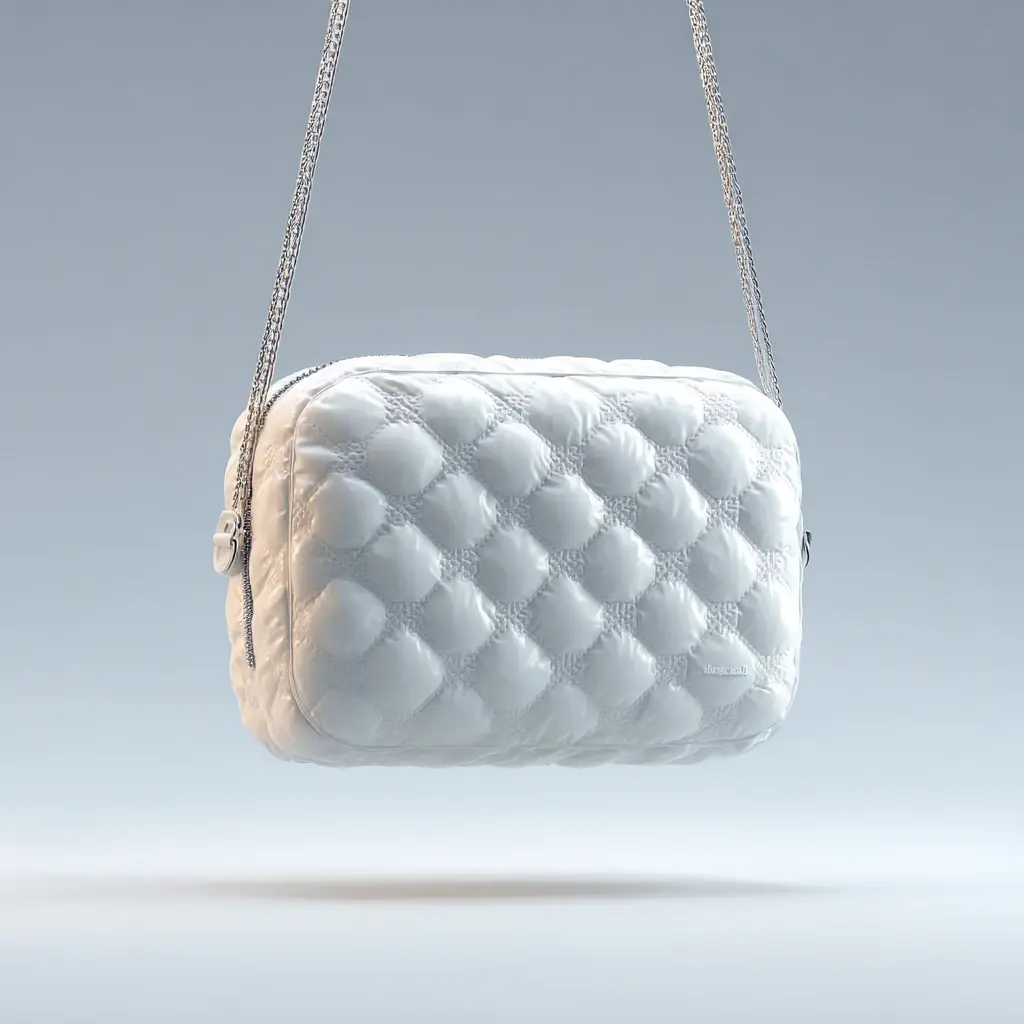
- Five Buyer Segments and What Each Spends per Order
- Age and Income Bands That Show Up in Bag Purchase Data
- Price Bands by Segment: USD 39 to USD 249
- Where Each Segment Discovers a New Bag Label
- Repeat Purchase Rates and What Actually Drives Them
- What Each Segment Returns, and Why
- Translating Demographics Into a 500-Piece Buy
- Regional Differences: North America, Europe and Asia-Pacific
- Three Segments Worth Building For in 2026
- The Five Numbers a Product Page Has to State
- Lifetime Value by Segment Over Three Years
- Colour and Size Mix Inside One 500-Piece Lot
Who actually buys private label handbags, and what does that mean for a 500-piece order? Five segments account for most of the volume, and each one is best understood through three numbers: what they spend per order, how often they come back, and how much of what they buy comes back as a return. The daily-carry buyer spends about USD 87 per order and reorders inside twelve months at roughly 31 per cent. The occasion buyer spends more and returns more. The gift buyer concentrates into two calendar windows. The value buyer searches on price and returns on fit. The collector buys less often but never at a discount. Turn those numbers into an assortment and the answer is unglamorous: two segments deserve a 500-piece lot, one deserves a colourway, and two should be left alone.
The segment numbers a private label assortment is built from
Five Buyer Segments and What Each Spends per Order
Demographics are only useful in this category when they are attached to behaviour. Age and income describe who a buyer is; spend per order, repeat interval and return rate describe what that buyer does, and only the second set can be turned into an assortment. The five segments below are defined by behaviour, with the demographic description attached afterwards, because two buyers of the same age in different segments behave less alike than two buyers thirty years apart in the same one.
| Segment | Spend per order | Repeat within 12 months | Return rate |
|---|---|---|---|
| Daily-carry buyer | USD 65-110 | 31 per cent | 9-12 per cent |
| Occasion buyer | USD 95-180 | 14 per cent | 18-24 per cent |
| Gift buyer | USD 55-95 | 19 per cent, seasonal | 7-10 per cent |
| Value buyer | USD 30-60 | 22 per cent | 16-21 per cent |
| Collector buyer | USD 180-320 | 11 per cent | 5-8 per cent |
Read the table as a ranking of which segment deserves production capacity. High spend is not the same as high value: the occasion buyer spends the second most per order and returns close to a fifth of it, which is the worst combination in the table on a marketplace channel where returns are absorbed by the seller. The daily-carry buyer is the opposite, with a moderate order value, the highest repeat rate and the second-lowest return rate.
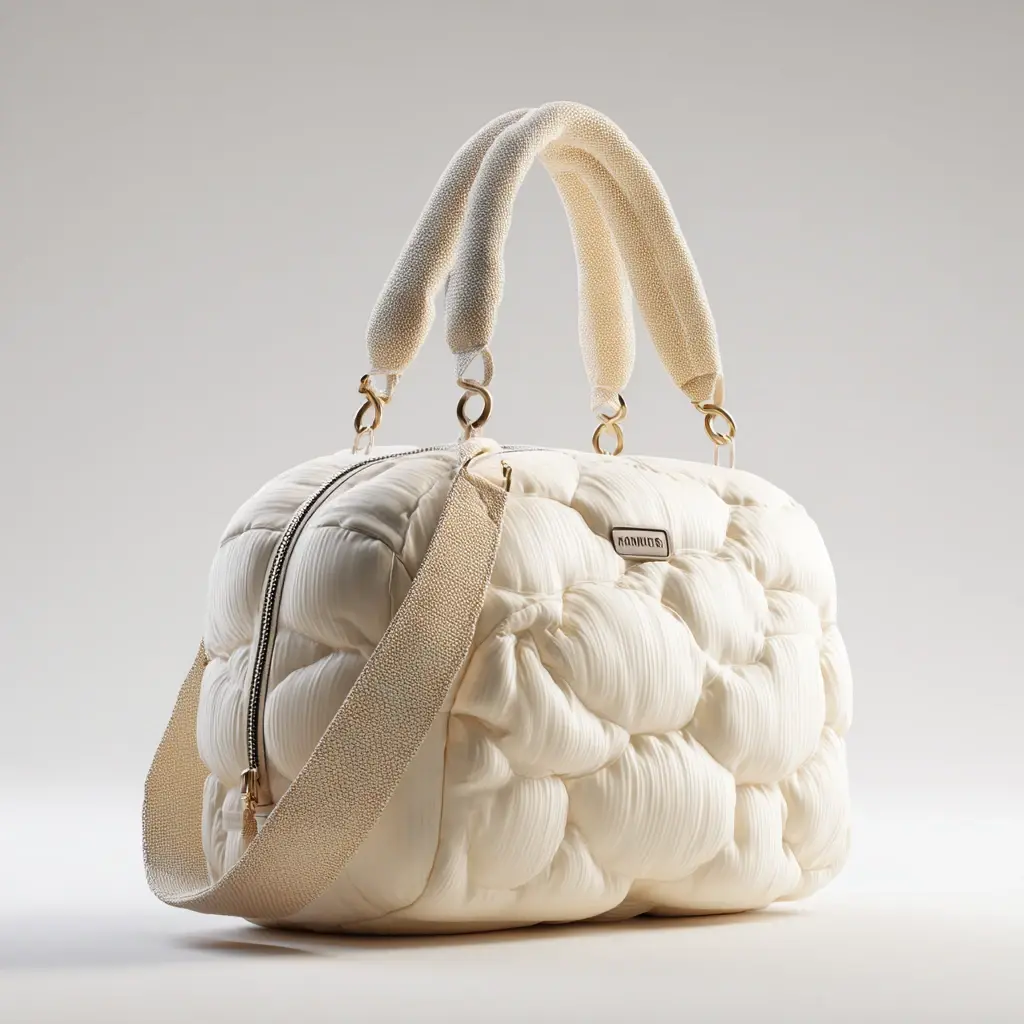
Age and Income Bands That Show Up in Bag Purchase Data
The demographic overlay is still worth reading, because it tells a brand which channel and which price band a segment lives in. Trade coverage from FashionUnited and Sourcing Journal, together with Accessories Council retail roundtables, points to a consistent shape: the widest band of bag buyers sits between 25 and 44, with a second, smaller concentration between 45 and 59 that spends more per order and returns far less.
- 25 to 34: the largest band by unit count, most likely to discover a label on social, and the most price-sensitive of the five groups.
- 35 to 44: the highest spend per order among the volume segments, buying for work and for travel rather than for appearance.
- 45 to 59: fewer units but a materially higher order value and a return rate roughly half the category average.
- 18 to 24: high discovery, low conversion, and a strong preference for small silhouettes at the bottom of the price range.
- 60 and above: the smallest online band, but the one most likely to buy by phone and to keep what they buy.
Two cautions on those bands. First, income is a weaker predictor than use case: a buyer on a modest income who commutes daily will spend more on a bag over three years than a higher-earning buyer who carries one occasionally. Second, the bands shift by channel. A marketplace customer skews younger and more price-driven than the same brand's own-site customer, frequently by a decade, which means a brand selling through both is effectively serving two demographics with one assortment.
Price Bands by Segment: USD 39 to USD 249
Price band is where demographics become a costing exercise. Each segment has a band it will pay without comparing, and stepping outside it costs conversion faster than any other specification decision. The bands below are retail prices, with the FOB Xiamen range that each one can support at a 500-piece run.
| Segment | Retail band | Supportable FOB Xiamen | Where it is sold |
|---|---|---|---|
| Value buyer | USD 39-69 | USD 7-12 | Marketplace and entry own-site |
| Daily-carry buyer | USD 70-129 | USD 13-22 | Own site and marketplace |
| Gift buyer | USD 60-109 | USD 11-18 | Own site, seasonal gifting pages |
| Occasion buyer | USD 110-189 | USD 19-30 | Own site and boutique |
| Collector buyer | USD 190-249 | USD 32-48 | Own site and boutique, with provenance |
The interesting row is the second. The daily-carry band of USD 70 to USD 129 is wide enough to absorb a genuine improvement in material or hardware, which is exactly why it rewards specification effort more than the value band does. At USD 39 to USD 69 there is roughly USD 7 to USD 12 of FOB to work with, and the difference between a bag that gets returned and one that gets reviewed well at that price is almost entirely strap comfort and lining quality rather than anything visible in photography.
Where Each Segment Discovers a New Bag Label
Discovery determines what the product page has to say and how the photography has to be shot. Roughly 62 per cent of first touchpoints now happen on a phone, which is a specification constraint rather than a marketing note: it means the first image has to show scale, the second has to show the interior, and the third has to show the bag being worn.
- Value buyer: marketplace search, filtered on price and capacity. The listing lives or dies on the first three lines of the title.
- Daily-carry buyer: marketplace search and social, with a strong bias towards pages that state litres, laptop size and weight.
- Gift buyer: gifting guides and editorial, concentrated into two windows of about six weeks each.
- Occasion buyer: social and editorial, where styling photography carries more weight than specification.
- Collector buyer: brand site and boutique, where material provenance and construction detail are the deciding factors.
One consequence is worth building into the tech pack. Because the daily-carry buyer filters on capacity and laptop size, those two numbers have to be measured and stated rather than estimated, and they have to match the physical product within the tolerance the drawing allows. A listing that says 14-inch when the bay measures 13.6 inches generates a return, and returns run at about 14 per cent online against roughly 6 per cent in store.
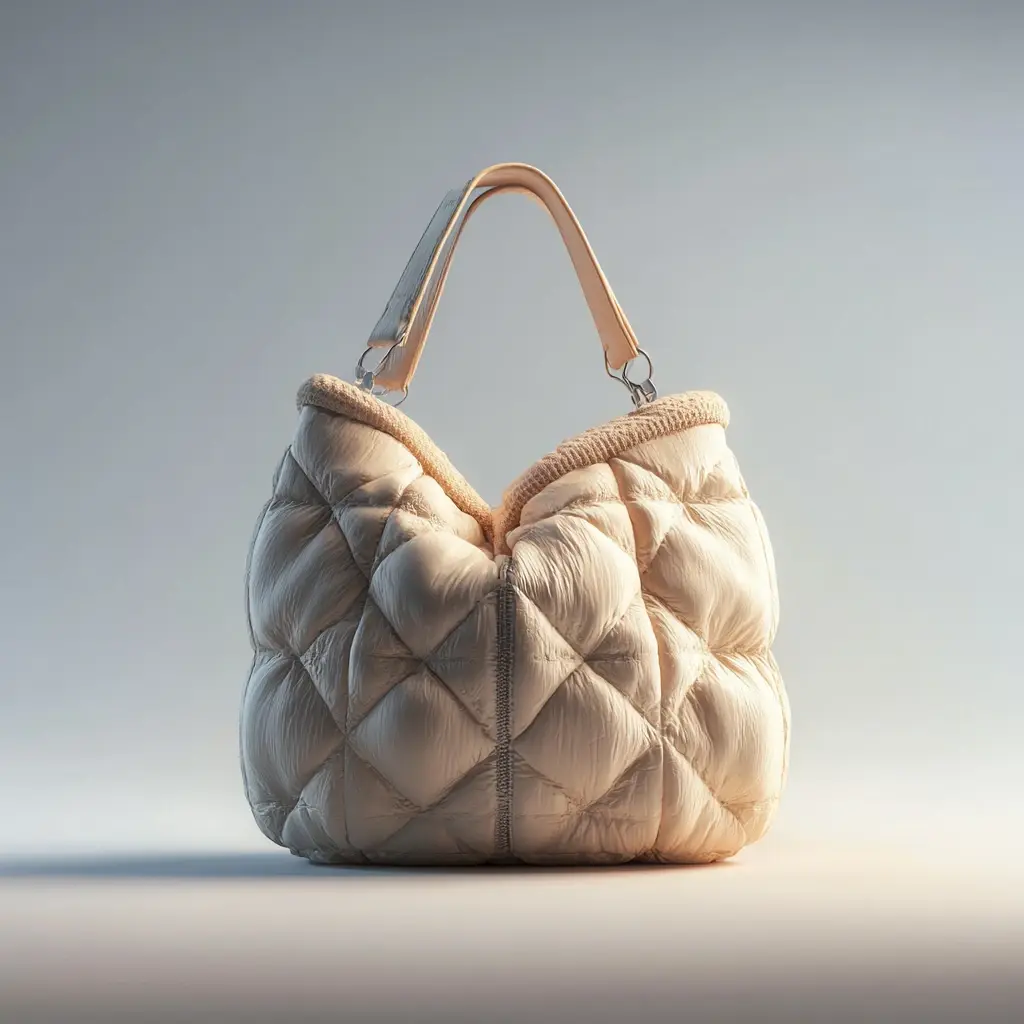
Repeat Purchase Rates and What Actually Drives Them
Repeat rate is the number that decides whether a segment is worth a second 500-piece lot, and the drivers are not the ones most brands assume. Across the segments the repeat rate sits near 31 per cent for daily-carry buyers and falls to 11 per cent for collectors, but the collectors spend more than three times as much when they do return.
Three drivers explain most of the variance, and all three are controllable at the specification stage. Durability is the first: a bag that survives eighteen months of daily use gets replaced with the same thing. Fit accuracy is the second: a strap drop that matches the customer's body is the single strongest predictor of a second purchase in the same style. Colour availability is the third and the cheapest: roughly a third of repeat purchases are the same style in a different colour, which is an argument for spending the second lot on a colourway rather than on a new shape.
What Each Segment Returns, and Why
Returns are the hidden cost line in this category and they vary by a factor of three across the segments. Understanding the reason behind each one matters more than the rate, because a return driven by specification can be engineered out and a return driven by expectation cannot.
| Segment | Dominant return reason | Fixable at specification stage? |
|---|---|---|
| Value buyer | Perceived quality against photography | Partly: lining and strap comfort |
| Daily-carry buyer | Capacity and laptop size smaller than stated | Yes: measure and state accurately |
| Gift buyer | Wrong colour against the recipient's expectation | Mostly: better colour rendering under D65 |
| Occasion buyer | Bought for an event, returned afterwards | No: this is the segment's behaviour |
| Collector buyer | Finish or hardware below expectation | Yes: tighter plating and edge tolerance |
Two of those five rows are effectively outside a brand's control, which is why the occasion buyer should be served carefully and the collector served expensively. The middle three rows are all specification problems, and all three are cheaper to fix at the drawing stage than to absorb as returns. Writing a strap drop tolerance of plus or minus 5 mm and a stated interior measurement into the tech pack costs nothing and removes the largest single return cause in the highest-value segment.
Translating Demographics Into a 500-Piece Buy
Demographics only earn their place when they change what gets ordered. Five steps convert the segment numbers into a purchase order at 500 pcs per style and colourway.
- Pick one primary segment and one secondary. Two segments produce a coherent range; four produce a clearance problem.
- Set the retail band from the segment, then cost backwards to the FOB range the band supports.
- Give the primary segment two lots and the secondary segment one, which is 1,500 pieces and a workable first season.
- Spend the second lot on a colourway rather than on a new shape, because a third of repeat purchases are the same style in a different colour.
- Write the return causes into the specification before sampling: capacity, laptop size, strap drop tolerance, colour rendering.
Applied to the table at the top of this page, the answer for most new labels is the daily-carry buyer as primary and the value buyer as secondary, which produces two lots of a commuter or small crossbody style plus one lot at the bottom of the price range. That is exactly the assortment the category data supports, and it matches the economics set out in small silhouettes with low minimums and strong margin and the demand picture in commuter and travel category drivers.
Regional Differences: North America, Europe and Asia-Pacific
- North America: the largest single market by value, with the widest price tolerance and the highest online return rate of the three regions.
- Europe: stronger preference for smaller silhouettes and for documented material provenance, with REACH evidence expected as a matter of course.
- Asia-Pacific: fastest-growing online penetration, a strong bias towards structured shapes, and the highest sensitivity to hardware quality relative to price.
- All three: a rising expectation that recycled content is stated with a certificate rather than asserted on the product page.
Three Segments Worth Building For in 2026
If a brand is going to serve three of the five, the daily-carry buyer, the gift buyer and the collector buyer are the defensible set. The daily-carry buyer provides volume and the highest repeat rate at about 31 per cent. The gift buyer provides two concentrated selling windows and the lowest return rate of the volume segments at 7-10 per cent. The collector buyer provides margin and, at USD 190-249 retail, enough FOB room to specify leather with a named tannery and hardware that will actually pass a cycle test. Choosing between them on evidence rather than on instinct is what separating a fad from a lasting category is for, and the demand backdrop sits in the 2026 market takeaways.
The Five Numbers a Product Page Has to State
Demographic work is only worth doing if it changes what the product page says. Five numbers are filtered on, compared and returned on, and all five have to be measured on the physical unit rather than inferred from a drawing. A page that states them converts better and returns less, because it lets a buyer reject the bag before buying it rather than after.
| Number | How it is stated | Tolerance | What it prevents |
|---|---|---|---|
| Capacity in litres | Measured by displacement, not by estimate | Plus or minus 0.5 litre | The most common too-small return |
| Laptop size in inches | Largest device the sleeve accepts | Stated as a maximum | Returns from the daily-carry segment |
| Weight in grams | Empty, with the strap | Plus or minus 20 g | Perceived quality complaints |
| Strap drop in centimetres | From the top of the strap to the top of the body | Plus or minus 10 mm | Fit complaints across all five segments |
| Body dimensions in centimetres | Width, height, depth, in that order | Plus or minus 3 mm | Marketplace size-band disputes |
Lifetime Value by Segment Over Three Years
Spend per order is the wrong number to plan against, because the segments differ far more on how often they come back than on what they spend when they do. Over a 36-month window the daily-carry buyer at USD 87 average order value and a 31 per cent twelve-month repeat rate places roughly 2.4 orders, worth about USD 209 before returns. The occasion buyer at USD 138 and 14 per cent places 1.4 orders, worth USD 193, and returns a fifth of it.
- Rank on value, not on ticket. The second-highest ticket in the table produces the second-lowest three-year value once returns are netted off.
- Repeat interval, 11-14 months for daily-carry against 18-24 months for occasion, is what sets the reorder calendar.
- Acquisition cost sits at USD 18-34 on paid channels, so a segment needs a first-order contribution above that figure before the second order can be funded from it.
- Three-year value above USD 200 is the working threshold for justifying a dedicated second colourway at 500 pcs.
Colour and Size Mix Inside One 500-Piece Lot
A 500-piece minimum is not a single decision, it is a distribution. Splitting it wrongly is the most common reason a sell-through figure looks mediocre when the style itself is selling, because the size or colour that carried the demand is the one that ran out in week three.
- 60-30-10 on colour for a first lot: 300 in the core colour, 150 in the second, 50 in the accent, which keeps the accent scarce enough to photograph and cheap enough to clear.
- Two sizes at most on a first order. A third size at 500 pieces means roughly 165 units each, below the level at which a size earns its own reorder.
- Hold 8-10 per cent back as replacement stock against returns, rather than shipping the full five hundred into the channel.
- Re-cut on evidence, not on symmetry. If the ratio finishes at 75-20-5, the second lot should be 75-20-5, not a return to the plan.
Send us the segment you are targeting and the retail band you have in mind and we will return a 500-piece costing, a specification written against that segment's return causes, and a sampling schedule. Get a Quote → /contact-quote/
Frequently Asked Questions
Who is the typical buyer of a private label handbag?
Behaviourally, it is the daily-carry buyer: someone replacing a bag used five days a week, spending about USD 87 per order, returning within twelve months at roughly 31 per cent, and returning about 9 to 12 per cent of what they buy. Demographically the widest band sits between 25 and 44, but use case predicts spend better than age or income does.
What is a realistic average order value for a private label bag brand?
About USD 87 across the segments, with a wide spread: roughly USD 30 to USD 60 for the value buyer, USD 65 to USD 110 for the daily-carry buyer, and USD 180 to USD 320 for the collector buyer. The spread matters more than the average, because each band supports a different FOB range and therefore a different specification.
How often do handbag customers buy again?
Across the category about 31 per cent of daily-carry buyers purchase again within twelve months, against 14 per cent for occasion buyers and 11 per cent for collectors. Buyers purchase roughly 2.9 bags a year in total. Around a third of those repeat purchases are the same style in a different colour, which argues for spending a second lot on a colourway.
Which age group buys the most handbags?
The 25 to 44 band accounts for the largest share of units, with the 35 to 44 group spending the most per order among the volume segments. The 45 to 59 band buys fewer units at a materially higher order value and returns roughly half as much. The 18 to 24 band discovers readily but converts at the lowest rate of any group.
What is a normal return rate for handbags sold online?
About 14 per cent online against roughly 6 per cent in store, with wide variation by segment. Value buyers return 16 to 21 per cent, daily-carry buyers 9 to 12 per cent, and collectors only 5 to 8 per cent. The largest single cause across all segments is capacity or laptop size stated larger than the product actually measures.
Which buyer segment has the best economics for a private label brand?
The daily-carry buyer, on balance. The order value is moderate at USD 65 to USD 110, but the repeat rate of about 31 per cent is the highest of the five segments and the return rate of 9 to 12 per cent is among the lowest. The collector buyer has better margin but buys too rarely to carry a season on their own.
How should demographics change what a brand orders?
Pick one primary and one secondary segment, set the retail band from the primary segment, then cost backwards to the FOB range that band supports. Give the primary segment two lots at 500 pcs and the secondary one, and spend the second lot on a colourway rather than on a new shape. Write the segment's return causes into the specification before sampling.
Where do handbag buyers discover new labels?
About 62 per cent of first touchpoints happen on a phone. Value and daily-carry buyers arrive through marketplace search filtered on price and capacity; gift buyers through gifting guides in two concentrated windows; occasion buyers through social and editorial; collectors through brand sites and boutiques. Each route demands a different first image and a different first line.
Do regional preferences differ enough to change the product?
Yes in three ways. European buyers favour smaller silhouettes and expect REACH documentation as a matter of course. Asia-Pacific buyers skew towards structured shapes and are most sensitive to hardware quality relative to price. North American buyers show the widest price tolerance and the highest online return rate of the three regions.
Why is the occasion buyer a difficult segment to serve?
Because the returns are behavioural rather than fixable. The occasion buyer spends USD 95 to USD 180 per order, which looks attractive, but returns 18 to 24 per cent because the bag was bought for an event and sent back afterwards. No specification change removes that, so the segment is best served in small volume at high margin rather than as a core range.
What specification details reduce returns the most?
Four, in order of effect: state capacity and laptop size accurately and measure them rather than estimate them; hold strap drop to plus or minus 5 mm; render colour under a D65 source so the screen matches the product; and specify lining and strap comfort even at the bottom of the price range. Together these address most of the fixable return causes.
People Also Ask
Who buys private label handbags?
Five behavioural segments account for most of the volume: daily-carry, occasion, gift, value and collector. The most valuable is the daily-carry buyer, at about USD 87 per order, 31 per cent repeat within twelve months and 9 to 12 per cent returns. Demographically the widest band is 25 to 44, but what a buyer carries predicts spend better than how old they are.
What is a good repeat purchase rate for a handbag brand?
Around 31 per cent within twelve months is a healthy figure for a daily-carry range, and anything above 35 per cent usually indicates the brand has one style working very well. Below 20 per cent suggests the assortment is built on occasion or trend shapes. Around a third of repeat purchases are the same style in a different colour, so colourway depth is the cheapest lever available.
Why are handbag return rates so high online?
Because three of the things a buyer judges in person are hard to convey on a screen: true capacity, how the bag sits on the body, and exact colour. Online returns run near 14 per cent against about 6 per cent in store. Stating measured capacity, showing a worn-scale image and rendering colour under D65 closes most of that gap.
Should a new brand target one buyer segment or several?
Two at most: one primary and one secondary. Two segments produce a coherent range that can be specified, costed and photographed properly. Four produce four price bands, four specification levels and a clearance problem at the end of the season. The second segment should share material and hardware with the first wherever possible to keep the buy efficient.
Sources and further reading
Every figure on this page is either our own programme data or attributed below. Open the originals before you write them into a specification.
- FashionUnited — fashion industry news and dataFashionUnited Industry news and company data for the fashion sector.
- Accessories Council — accessories industry bodyAccessories Council Accessories industry body tracking handbag category direction.
- SATRA — technical services for leather, footwear and accessoriesSATRA Independent leather, hardware and accessories testing protocols.