The Handbag Brand Launch Checklist: Pre Order to Delivery
What does a handbag launch actually cost in days and dollars? On a 500-piece first order the answer is 84 days and USD 16,000-19,000, and both numbers decompose into six gates: specification lock, sampling at 6-10 working days, a 21-day pre-order window, bulk production at 35-50 days, inspection to AQL 2.5 under ISO 2859-1, and freight and duty on an FOB Xiamen shipment. Cash leaves in three instalments — a 30 per cent deposit of about USD 3,525, a balance of about USD 8,225 before shipment, and freight of USD 1,100-1,600 at roughly the same time. This page walks the six gates in order, gives the day range and the dollar range for each, and ends with the nine documents that have to exist before the cartons are released.
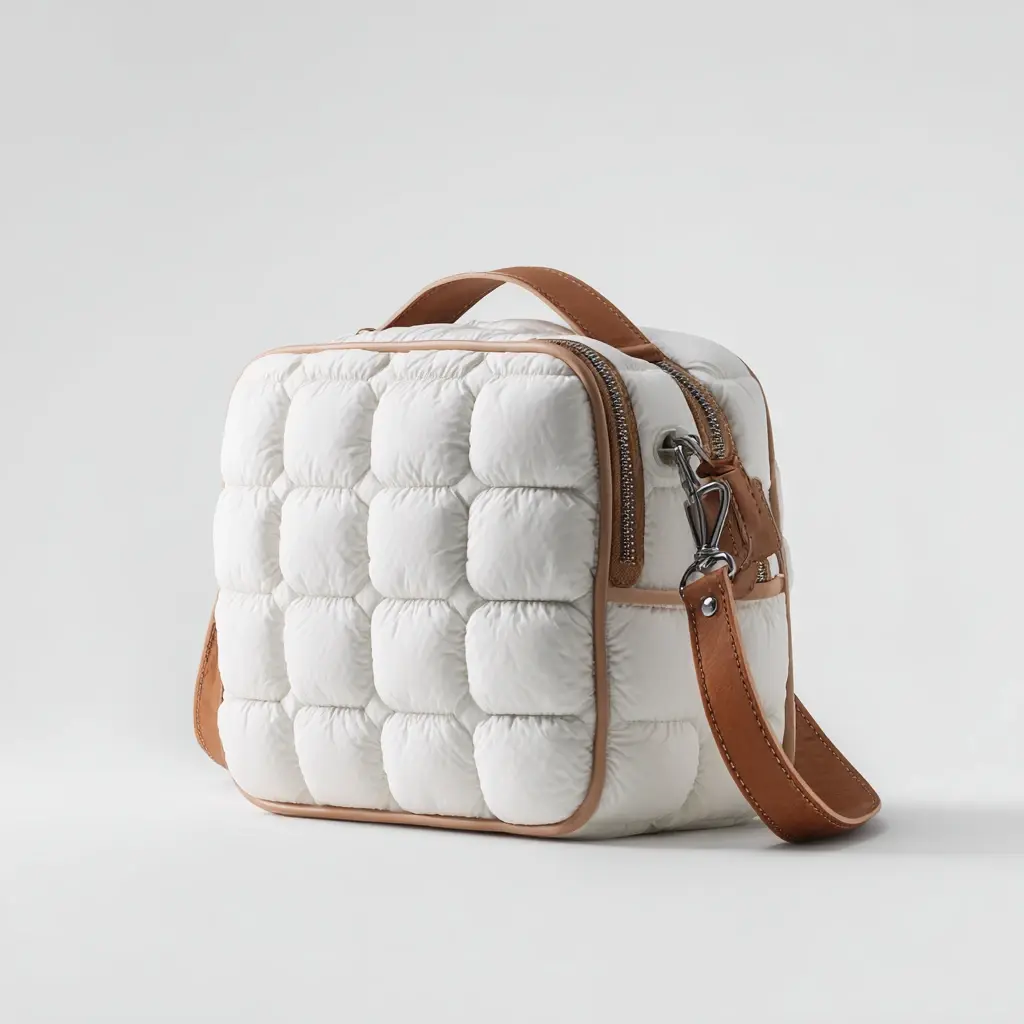
- The 84 Days Between Deposit and Delivery
- Gate One: Specification Locked Before Anything Is Quoted
- Gate Two: Sampling in 6 to 10 Working Days
- Gate Three: The Pre-Order Window Itself
- Gate Four: Bulk Production Across 35 to 50 Days
- Gate Five: Inspection and the AQL Decision
- Gate Six: Freight, Duty and the Final Mile
- Nine Documents That Must Exist Before Delivery
- What the 84 Days Cost, Line by Line
- Float: Which Gate Can Slip Without Moving the Date
- The First Seventy-Two Hours After Delivery
- The Second Launch Is 60 Days, Not 84
What does a handbag launch actually cost in days and dollars? On a 500-piece first order the answer is 84 days and USD 16,000-19,000, and both numbers decompose into six gates: specification lock, sampling at 6-10 working days, a 21-day pre-order window, bulk production at 35-50 days, inspection to AQL 2.5 under ISO 2859-1, and freight and duty on an FOB Xiamen shipment. Cash leaves in three instalments — a 30 per cent deposit of about USD 3,525, a balance of about USD 8,225 before shipment, and freight of USD 1,100-1,600 at roughly the same time. This page walks the six gates in order, gives the day range and the dollar range for each, and ends with the nine documents that have to exist before the cartons are released.
The 84-day plan, compressed to one table of numbers
The 84 Days Between Deposit and Delivery
Eighty-four days is the honest number for a first launch, and it is worth writing down before anything else, because every marketing promise made later has to fit inside it. The build itself is 41 to 60 days: sampling at 6-10 working days, then bulk production at 35-50 days. What founders forget is the rest — a pre-order window that runs alongside the start of bulk, an inspection and re-sort contingency of three to six days, and 18-26 days on the water before stock is in hand.
Two numbers inside that calendar do most of the work. The first is the inspection contingency: a lot that fails pre-shipment inspection needs three to six days to sort and repack at USD 0.35-0.60 per piece, or twelve to twenty days if units have to be resewn. The second is the freight leg: 18-26 days by sea from Xiamen to a West Coast port, plus two to five days of drayage and receiving. Neither is optional, and both are invisible in a plan built backwards from a launch date with no slack.
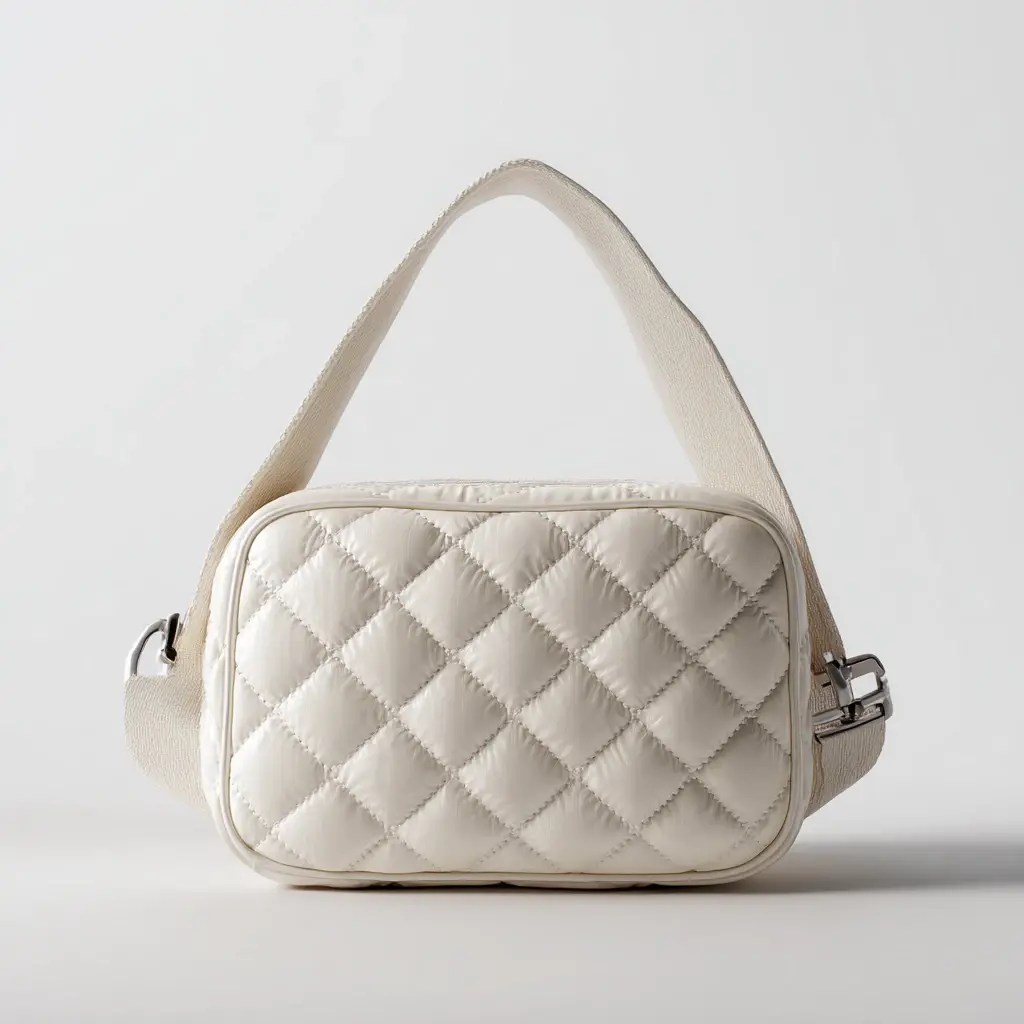
Gate One: Specification Locked Before Anything Is Quoted
No price is meaningful before the specification is, and this gate costs nothing but time. A quotation built on a photograph and a dimension will come back low and firm up later, because the variables that actually drive cost — hardware finish, lining weight, stitch count, reinforcement at each load point — were never stated. Lock them first and the price you get is the price you pay.
- Dimensions with tolerance: ±3 mm on a soft body, ±2 mm on a structured one, ±5 mm on strap drop.
- Materials named, not described: leather substance, lining denier such as 210D, hardware finish and the salt-spray hours it must survive.
- Construction detail: stitch count per inch, needle size such as a #18, thread count such as 40s polyester, and the reinforcement pattern at each load point.
- Compliance scope: California Prop 65, CPSIA where relevant, REACH Annex XVII limits on nickel release and azo dyes.
That list is the whole gate, and it usually takes four to six hours to write properly. What it buys is enormous: the same document becomes the inspection annex, the basis for the golden sample, and the reference for every later reorder. A specification that names 210D lining and a #18 needle can be checked in ten seconds a unit; one that says durable construction cannot be checked at all, and the argument it produces lands on the day before the vessel cut-off.
Gate Two: Sampling in 6 to 10 Working Days
Sampling is where a launch either gets real or stays theoretical. Budget 6-10 working days for a straightforward style and 12-15 for a complex build with bespoke hardware, and budget USD 640-900 for the round including courier. Expect two rounds on a first style: the first demonstrates whether the drawing was legible, the second confirms the corrections. A sample that passes on the first attempt usually means the specification was unusually good, not that the process was easy.
The discipline that matters here is numbering. The approved unit becomes the golden sample, sealed and photographed from nine angles, and every later revision gets a suffix: -R2, -R3, with a matching change log. Most launch problems trace back to a brand whose third sample quietly became the reference while the first-round drawing stayed in force, and nobody could later say which strap length was approved. The detailed budget line for sampling sits inside the wider launch cost and is worth pricing at the same time.
Gate Three: The Pre-Order Window Itself
A 21-day window is long enough to convert an audience and short enough to keep urgency. It runs alongside the start of bulk rather than before it, which is the detail that compresses the calendar: the deposit is placed on day 0, bulk begins, and the pre-order opens around day 12 once the golden sample photographs exist. By day 33 the window closes, and by day 41-60 the goods are finished against a demand number you already know.
Target 200 of the 500 units through the window, which is 40 per cent and leaves 300 for the general launch. That split matters because it sizes the risk: 200 units pre-sold means the worst case is 300 units of stock rather than 500. Deposit terms should be simple — either a 35 per cent deposit with the balance at dispatch, or full payment at checkout if the price point is low enough that asking for a second payment later produces cancellations. The mechanics of running that window well are worth reading before the page goes live.
- Day 0: specification locked, purchase order issued, 30 per cent deposit of about USD 3,525 paid.
- Day 6-10: first sample arrives, corrections issued the same day while the line is still available.
- Day 12: golden sample sealed and photographed, pre-order opens on the strength of real images.
- Day 33: window closes at 200 units targeted, bulk already running.
- Day 41-60: bulk finished, inspection booked, balance of about USD 8,225 released before shipment.
Gate Four: Bulk Production Across 35 to 50 Days
Bulk is the longest gate and the one over which a founder has least direct control, which is why a single inline visit earns its place. Between roughly 15 and 30 per cent completion, someone should walk the line with six written questions: do the units match the golden sample in the three dimensions that matter, is the hardware being set with the specified die, is edge paint covering the stitch line within tolerance, are panels coming from one dye lot, is the lining tacked at the specified spacing, and is the packing method the one agreed.
That visit costs about half a man-day and is the only inspection that can still change the current lot rather than judge it. Final inspection can only produce a pass or a fail; inline produces a correction. On a first order the correction is usually trivial — a tooling swap, a needle change, an operator instruction — and it is trivial precisely because it was caught at 20 per cent rather than at 100 per cent.
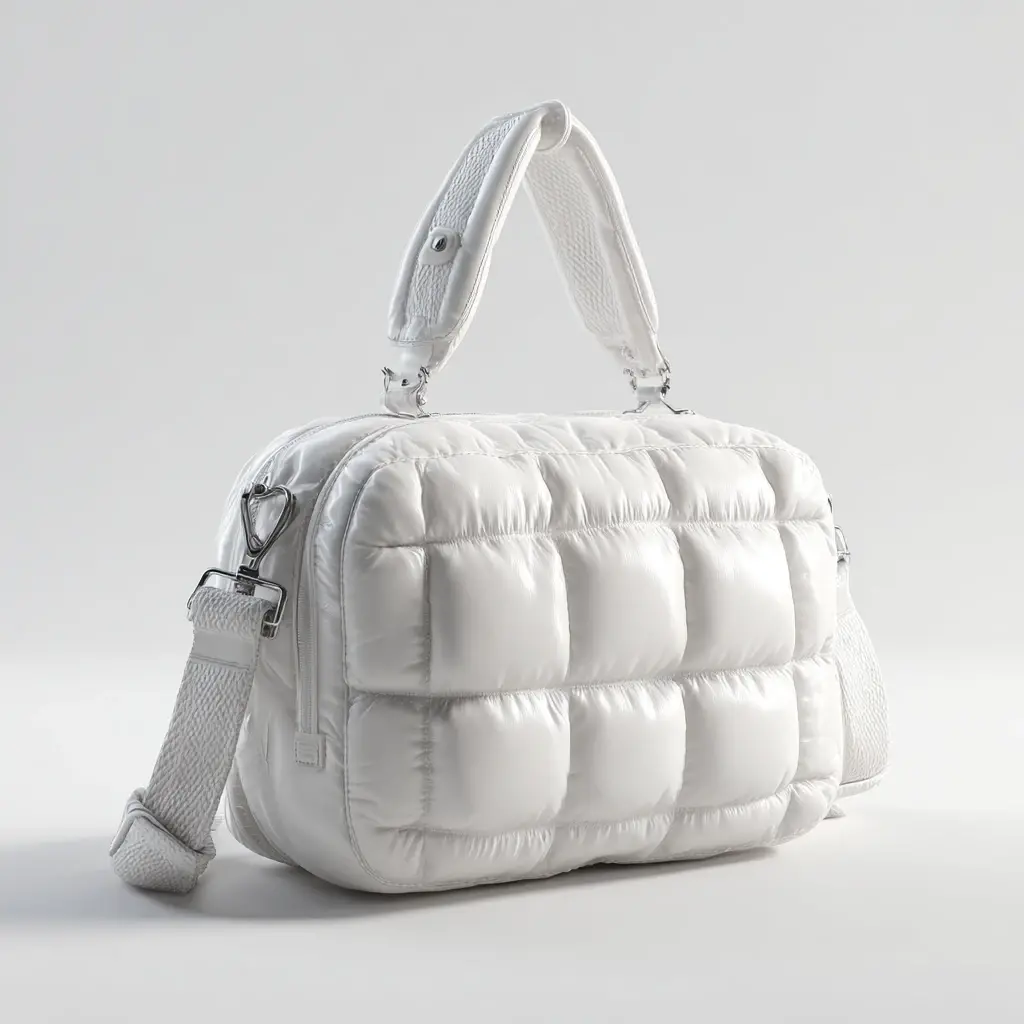
Gate Five: Inspection and the AQL Decision
Every lot should be inspected to AQL 2.5 under ISO 2859-1 before release. On a lot of 501 to 1,200 pieces, General Inspection Level II with single sampling gives code letter J and a sample of 80 units, with an accept 5 / reject 6 rule on major defects and accept zero on criticals. The units are drawn across several cartons rather than from one, using the square root of the carton count plus one to decide how many cartons open.
Two things need to exist before that inspection happens, and neither can be produced afterwards. The first is the defect class annex: four or five named examples per class, attached to the purchase order rather than sitting in an email thread. The second is an agreed settlement rule stating who pays for a re-sort and who pays for a re-inspection. Without both, the inspection produces an opinion rather than a decision, and an opinion on the day before cut-off is worth less than nothing.
| Gate | Days | Cash at this gate |
|---|---|---|
| Specification lock | 0-1 | USD 0 |
| Sampling and golden sample | 6-15 | USD 640-900 |
| Pre-order window | 21, running alongside bulk | Revenue, not cost |
| Bulk production | 35-50 | USD 3,525 deposit, USD 8,225 balance |
| Inspection and contingency | 2-6 | USD 220-320 per man-day |
| Freight, duty and delivery | 18-26 | USD 1,100-1,600 plus duty at 17.6 per cent |
Gate Six: Freight, Duty and the Final Mile
On FOB Xiamen terms the goods become yours at the rail, and everything after that is yours to arrange: ocean freight of 18-26 days to a West Coast port, customs entry, duty, and two to five days of drayage and receiving. Budget freight at USD 1,100-1,600 for a 500-piece shipment and duty at a planning rate of 17.6 per cent of customs value for a man-made outer surface, or 10 per cent for a leather outer — your broker should confirm the classification, but the planning figure needs to exist before the price is set.
The final mile is where launches quietly slip. A container that clears on a Friday still needs a delivery appointment, and a warehouse that has never received a palletised handbag shipment will need carton counts and a receiving window. Book the appointment during bulk production, not after the vessel sails. Three to five days of receiving is normal, and it is the last thing on the calendar, so it is the first thing to be squeezed when the plan is already tight.
Nine Documents That Must Exist Before Delivery
Nine files, assembled across the six gates, are what separate a launch that repeats from one that has to be reinvented next season. None of them takes more than an hour, and all of them are reusable: the second order is cheaper to specify precisely because these exist.
- Specification with tolerances, revision-numbered, naming materials, stitch count, needle size and hardware finish.
- Golden sample record: sealed unit, nine photographs, revision number and a change log for every later revision.
- Defect class annex with four or five named examples per class, attached to the purchase order.
- Inline visit note, one page, sent the same day while the line still exists to act on it.
- Final inspection report as a PDF with sample size, accept and reject numbers and photographs of each defect instance.
- Material lot record listing which cartons came from which dye or roll lot.
- Compliance file: California Prop 65, CPSIA where relevant, REACH Annex XVII, plus BSCI or Sedex records if selling through retailers.
- Packing list and carton count, needed at receiving and needed again if a claim is ever filed.
- One line of conclusion per report, stating whether each defect family was systemic or incidental.
That last item is the one nobody writes and everybody needs. A report that ends with a number tells you whether the lot passed; a report that ends with a sentence tells you what to change in the specification. Sedex and BSCI audit frameworks reward exactly this behaviour, since their scope includes traceability of corrective actions, and a folder per lot is the cheapest way to demonstrate that a correction happened rather than was discussed.
What the 84 Days Cost, Line by Line
Add the gates up and the total lands at USD 16,000-19,000 for a 500-piece first order: about USD 11,750 of goods at a USD 23.50 landed cost, USD 640-900 of sampling, USD 220-320 for one inspection man-day, USD 1,100-1,600 of freight, duty at 17.6 per cent, and USD 1,200-2,600 of launch spend on photography, packaging and advertising. Against that sits revenue of roughly USD 44,500 if all 500 units sell at USD 89, which is why the pre-order matters so much — it converts part of that revenue into cash on day 33 rather than day 100.
The variable that moves the total most is not the unit price, it is how many units sell in the first six weeks. At 38 per cent sell-through in 90 days the brand is holding 310 units and needs a second marketing push; at 70 per cent it is reordering inside the 35-50 day window and the cash cycle has already turned. That difference is decided before day 0, in the specification, and in how the launch was marketed — the channel plan behind those numbers is the companion piece to this one. The full programme structure at our end shows where each gate sits in the sequence.
Float: Which Gate Can Slip Without Moving the Date
An 84-day plan is a chain, and only some of its links have slack. Specification lock carries zero float, because everything downstream is quoted against it. Sampling carries about 4 days, since one revision can be absorbed before the slot. Bulk carries none once the slot is booked, but the pre-order window carries 6 days because it can close late without delaying goods that are already running. Inspection carries 4 days before the vessel cut-off, and freight carries nothing at all.
| Gate | Days | Float | What absorbs a slip |
|---|---|---|---|
| Specification lock | 0-1 | None | Nothing; every later date is quoted from it |
| Sampling and PP | 6-15 | 4 days | One revision round inside the window |
| Pre-order window | 21 | 6 days | A later close, with the goods already running |
| Inspection | 2-6 | 4 days | A re-sort before the vessel cut-off |
| Freight and receiving | 18-26 | None | Only a faster sailing or an air upgrade |
The First Seventy-Two Hours After Delivery
The launch is not finished when the goods land; the claim window opens then. Open three cartons from different carton numbers, count 12 units against the packing list, inspect three against the golden sample, and photograph anything that deviates before it is moved. Discrepancies are usually settled inside 7 days of delivery, and a claim filed on day 9 without photographs is a conversation rather than a claim. Receiving 21 cartons takes about 4 hours when the packing list reconciles.
- Carton sample. Three cartons from the first, middle and last of the sequence, not three from the front of the pallet.
- Count. A variance above 0.5 per cent of the shipment is worth documenting with photographs and a signed note.
- Condition. Photograph base corners, hardware and labels before the units go anywhere near a stockroom.
- Deadline. File inside 7 days with the inspection report and the packing list attached, and keep the carton numbers.
The Second Launch Is 60 Days, Not 84
The 84-day figure belongs to a first order. A repeat against a stored specification removes sampling entirely, which is 6-10 working days, and a reorder placed 6 weeks before the rail empties folds the pre-order window into the bulk run. That leaves 35-50 days of production 35-50 days of inspection and 18-26 days of freight, or about 60 days from deposit to delivery. The saving is not effort; it is the absence of decisions that were already made once.
- No sampling. A retained specification, golden unit and dye-lot card remove 6-10 working days from the front of the plan.
- Slot before deposit. A reserved repeat slot can move the start date forward by 6-10 working days in a normal quarter.
- Documents. The compliance file, label artwork and carton marks already exist, so the end of the run is quieter.
- The trap. One small improvement on the repeat reinstates sampling and puts the full 84 days straight back.
Send us your launch date and we will return the 84-day gate plan filled in with your style, your quantities and your delivery window. Get a Quote → /contact-quote/
Frequently Asked Questions
How long does a handbag launch take from deposit to delivery?
Eighty-four days is the realistic figure for a first 500-piece order. Build is 41 to 60 days — 6-10 working days of sampling plus 35-50 days of bulk — and the rest is a pre-order window running alongside, two to six days for inspection and contingency, and 18-26 days on the water plus three to five days of receiving.
What does a 500-piece first handbag order cost in total?
USD 16,000-19,000 all in. That is about USD 11,750 of goods at a landed cost of USD 23.50, USD 640-900 of sampling, one inspection man-day at USD 220-320, freight of USD 1,100-1,600, duty at a planning rate of 17.6 per cent, and USD 1,200-2,600 of photography, packaging and advertising.
When should a pre-order open relative to production?
Around day 12, once the golden sample is sealed and photographed, so the window sells against real images rather than renders. Run it for 21 days alongside the start of bulk and close it around day 33. Target 200 of the 500 units, which leaves 300 for the general launch and caps the worst case at 300 units of stock.
How many units does an inspector open on a 500-piece lot?
Eighty. Under ISO 2859-1 General Inspection Level II with single sampling, a lot of 501 to 1,200 pieces gives code letter J and a sample of 80 units, spread across several cartons rather than pulled from one. The rule on major defects at AQL 2.5 is accept 5 and reject 6, with criticals at accept zero.
What should be in a handbag specification?
Dimensions with tolerance, materials named rather than described, stitch count per inch, needle size, thread count, the reinforcement pattern at each load point, hardware finish and the salt-spray hours it must survive, plus the compliance scope. Four to six hours of writing converts durability from a wish into something an inspector can check in ten seconds per unit.
How much does sampling cost and how long does it take?
Budget USD 640-900 for the round including courier, and 6-10 working days for a straightforward style or 12-15 for a complex build with bespoke hardware. Expect two rounds on a first style: the first shows whether the drawing was legible, the second confirms the corrections. Number every revision and keep a change log.
What happens if a lot fails pre-shipment inspection?
Two costs stack. A sort and repack runs three to six days at USD 0.35-0.60 per piece, so USD 175-300 on 500 units. Resewing units takes twelve to twenty days. Either way the fix is a calendar problem rather than a freight problem, which is why six days of slack belong in the launch plan from the start.
How long does sea freight take from Xiamen and what does it add?
Eighteen to twenty-six days to a West Coast port, plus two to five days of drayage and receiving. Budget USD 1,100-1,600 for a 500-piece shipment, plus duty at a planning rate of 17.6 per cent of customs value for a man-made outer surface or 10 per cent for leather, confirmed by your broker against the classification.
Should each colourway be inspected as its own lot?
Yes. Each colourway carries its own dye lot and its own shading risk, so treating three colourways as one lot triples the population a single-colour defect can hide inside. Splitting them also means the 80-unit sample applies per colourway, which is the only way a colour problem reads at its true rate in the report.
What is the inline visit, and when should it happen?
A half-day walk of the line between roughly 15 and 30 per cent completion, working from six written questions about golden-sample dimensions, hardware tooling, edge paint, dye lots, lining spacing and packing. It is the only inspection that can still change the current lot rather than judge it, and it costs the same as half a final inspection.
Which documents should exist before the cartons are released?
Nine: the revision-numbered specification, the golden sample record with nine photographs, the defect class annex, the inline note, the final inspection report, the material lot record, the compliance file covering Prop 65, CPSIA and REACH, the packing list, and one line of conclusion per report naming each defect family as systemic or incidental.
People Also Ask
How far ahead should a handbag launch be planned?
At least 84 days before the promised delivery date, and ideally 100, because the plan has to absorb a failed inspection and a re-sort. A launch built backwards from a fixed date with no slack turns a three-day re-sort into a missed season, which is a far more expensive outcome than the inspection that would have prevented it.
Can a pre-order and bulk production run at the same time?
Yes, and they should. Deposit on day 0 starts bulk, the pre-order opens around day 12 once the golden sample photographs exist, and it closes on day 33 while bulk is still running. Selling against real images rather than renders is the reason for the delay, and 21 days is long enough to convert an audience without losing urgency.
What is the most commonly skipped step in a handbag launch?
The conclusion line on the inspection report. Most brands record whether the lot passed and never record whether each defect family was systemic or incidental, so the next order repeats the same argument. One sentence per report is what converts inspection from a gate into a specification improvement.
Do I need duty and freight figures before setting the retail price?
Yes, because together they move the landed cost by more than the unit price negotiates. On a 500-piece order, freight of USD 1,100-1,600 adds USD 2.20-3.20 per unit and duty at 17.6 per cent adds roughly USD 3.24, against a FOB Xiamen price of USD 18.40. A price set on FOB alone is set on about three quarters of the real cost.
Sources and further reading
Every figure on this page is either our own programme data or attributed below. Open the originals before you write them into a specification.
- Incoterms rulesICC The rules that decide where cost, risk and insurance transfer.
- REACH — chemical substances regulationEuropean Commission Annex XVII restricts the substances that may appear in finished leather and coatings.
- SATRA — technical services for leather, footwear and accessoriesSATRA Independent leather, hardware and accessories testing protocols.