Private Label Totes vs Stock Totes: Bag Brand Control Compared
What is the real difference between a private label tote and a stock tote? A stock tote is a finished bag bought in whatever colours exist and branded afterwards; a private label tote is made to your specification at MOQ 500 pcs per style / colourway, with the canvas weight, dimensions, gusset, handle length, hardware and packaging decided by you. Brand control on a tote is decided by three things a stock buyer cannot choose — the material weight, the print or emboss area, and the hardware — and a private label run puts all three in your specification at 500 pcs. This comparison sets the two routes side by side across ten variables, separates the control a customer can see from the control only you can see, and shows when stock is genuinely the better buy.
- What a Stock Tote Actually Is
- What a Private Label Tote Is
- Control Matrix: Ten Variables
- Why a Tote Is the Cheapest Silhouette to Own
- Brand Control the Customer Can See
- Brand Control Only You Can See
- Cost and Calendar Compared
- Which Tote Route Suits Which Buyer
- Moving From Stock Totes to Private Label
- What a Stock Tote Costs Once It Is Branded
- The Listing Consequences Nobody Warns About
- Where Each Route Carries Its Risk
- The Five Cost Lines Inside a Private Label Tote
What is the real difference between a private label tote and a stock tote? A stock tote is a finished bag bought in whatever colours exist and branded afterwards; a private label tote is made to your specification at MOQ 500 pcs per style / colourway, with the canvas weight, dimensions, gusset, handle length, hardware and packaging decided by you. Brand control on a tote is decided by three things a stock buyer cannot choose — the material weight, the print or emboss area, and the hardware — and a private label run puts all three in your specification at 500 pcs. This comparison sets the two routes side by side across ten variables, separates the control a customer can see from the control only you can see, and shows when stock is genuinely the better buy.
Tote route parameters
What a Stock Tote Actually Is
Why Does Sameness Cost More Than Quality?
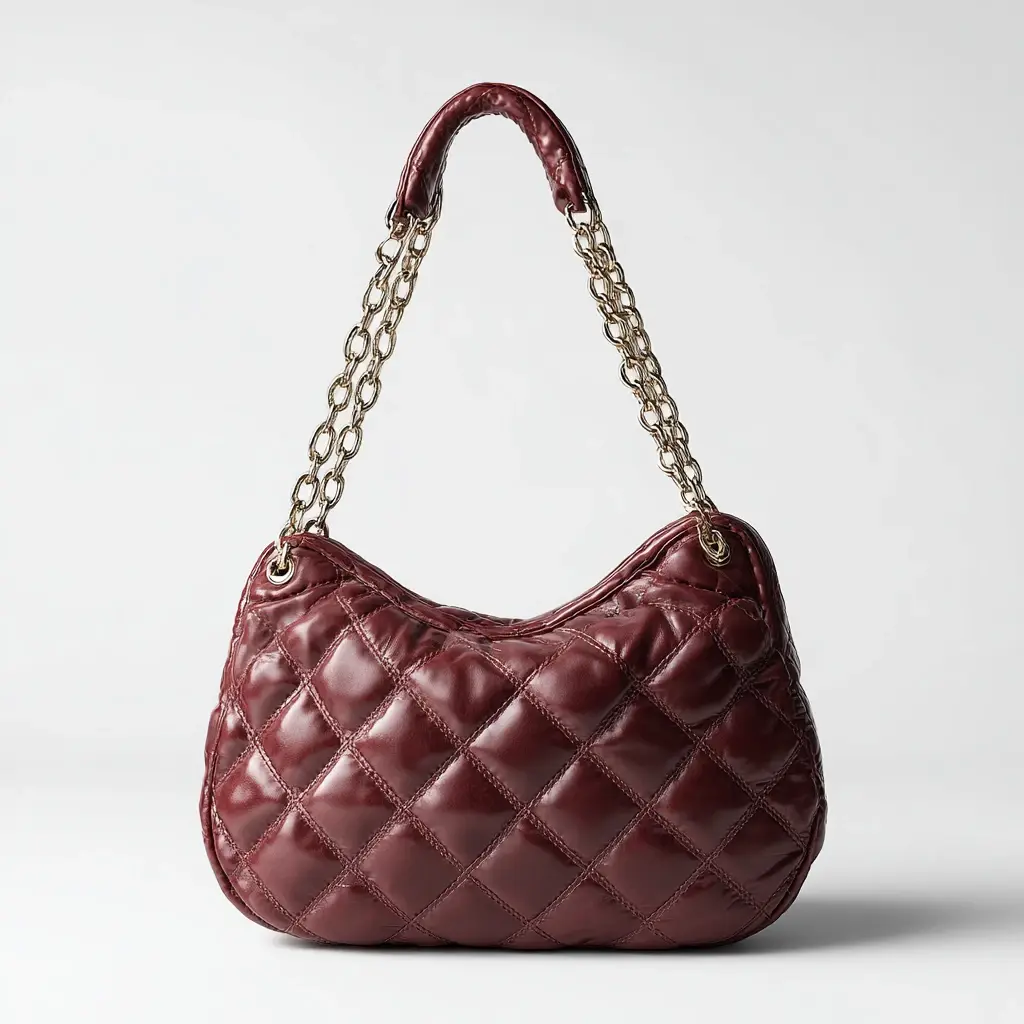
A stock tote is a finished bag held by somebody else, bought in the colours they chose, in the quantity they happen to have. Branding is applied afterwards — usually a screen print, a heat transfer or a sewn-in label — and the bag underneath is identical to the one any other brand can buy. It is the fastest way to put a mark on a bag and the weakest form of brand control available.
The characteristic failure is not quality, it is sameness. A competitor can buy the identical tote and sell it for less, and the only defensible difference becomes the print. The second failure is continuity: stock is re-bought in whatever lots exist, so drop two is frequently a different canvas weight or a slightly different natural shade from drop one.
What a Private Label Tote Is
A private label tote is a production run made against a written specification. Canvas weight, body width, gusset depth, handle length and attachment, interior layout, hardware, print or emboss area and packaging are all decided by the buyer, and the material is bought against the order rather than pulled from stock.
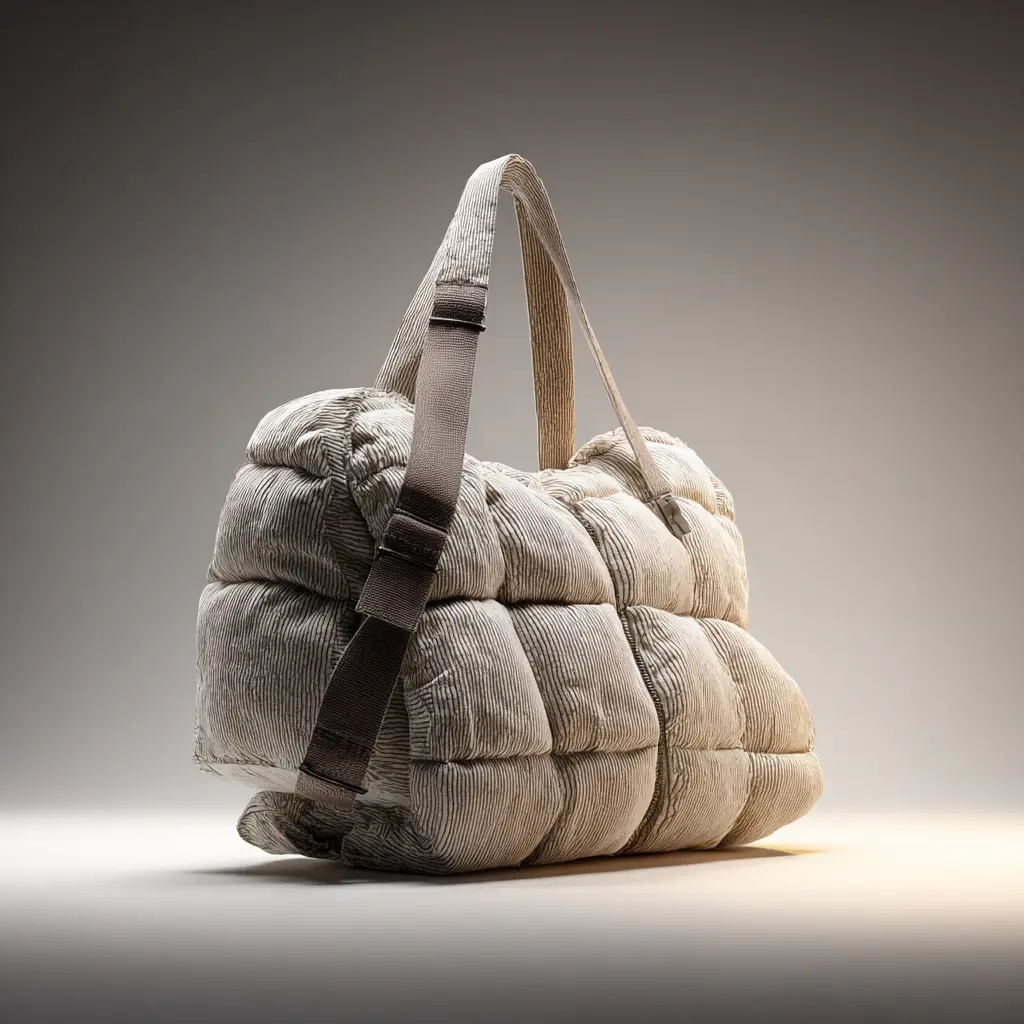
The consequence is that the tote becomes a repeatable SKU. The specification is stored, the tooling is retained, and the second run matches the first in weight, shade, dimensions and print position — which is what allows a listing to accumulate reviews against a stable product rather than a moving one.
Control Matrix: Ten Variables
Ten variables decide how much of a tote is actually yours, and reading them together is the fastest way to see why the price difference between the two routes is a cost-structure difference rather than a markup. The rows buyers rarely ask about are the ones that cost the most later.
| Variable | Stock tote | Private label tote | Why it matters |
|---|---|---|---|
| Canvas weight | Whatever is held, often 10-12 oz | Specified: 12 oz, 16 oz or heavier | Hand-feel and durability |
| Body width | Fixed, usually 35-38 cm | Specified: 34-42 cm | How the bag reads in a photograph |
| Gusset depth | Fixed or none | Specified: flat to 12 cm | Volume and whether it stands up |
| Handle length | Fixed | Specified: 55-65 cm, shoulder or hand | The most felt dimension |
| Handle attachment | Standard stitch | Reinforced, taped, or riveted | The joint that fails first |
| Print or emboss area | Limited to the panel | Specified: up to 25 x 30 cm | Brand presence |
| Hardware | None, or unbranded | Rivets, feet, magnetic closure, branded puller | 15-25% of unit cost |
| Interior layout | None or one pocket | Specified: zip pocket, slip pockets, key clip | The most asked pre-purchase question |
| Colour | Available shades only | Matched to a Pantone reference at Delta E 2.0 | Drop-to-drop consistency |
| Packaging | Generic polybag | Dust bag, hangtag, care card, carton marks | Unboxing and prep compliance |
Where Stock Totes Genuinely Win
Three places, and it is worth being direct about them because the answer is not always private label. Stock is faster, needs no cash commitment against dye lots, and is the correct instrument for an event, a one-off promotion or a market test. A tote needed in three weeks is a stock tote, full stop: the bulk window alone is 35-50 days.
Why a Tote Is the Cheapest Silhouette to Own
A tote is the least risky first private label silhouette for three reasons that compound: it has few operations, a predictable yield and the largest branding surface in the category. Together those lower every one of the five cost lines except material, which is why the same specification produces a better margin on a tote than on a structured satchel.
- Few operations. Two body seams, a gusset if specified, handles and an optional pocket. Labour is 15-25% of unit price and a tote sits at the bottom of it.
- Predictable yield. Flat rectangular panels nest efficiently; a 38 cm body consumes roughly 1.4-1.9 sq ft and wastes far less than a shaped panel.
- Largest brand surface. Up to 25 x 30 cm uninterrupted, which means branding does not need expensive hardware to be seen.
- Where it is not cheapest. A structured version with interlining, a stiffener and a closure moves to the top of the labour band very quickly.
The reverse side of that efficiency is competition: a tote is also the easiest bag for anyone to make, which is precisely why control over canvas weight, dimensions and hardware is what separates one from another in a listing. A 16 oz body with riveted handles and a printed interior is not the product a stock buyer is selling, even at the same size.
Brand Control the Customer Can See
Which Four Surfaces Carry the Brand?
Some control is visible in a photograph and some is only felt in the hand, and the visible part is what drives conversion. On a tote, four surfaces carry the brand, and a stock buyer typically has access to one of them.
- The front panel. Print, embroidery or an applied leather patch up to roughly 25 x 30 cm on a 38 cm body; the largest brand surface on any bag silhouette.
- The handles. A woven label, a contrast stitch or a leather wrap at the handle root, which is where the eye lands when the bag is carried.
- The hardware. Branded rivets at the handle attachment, an engraved magnetic closure or a branded zip puller on an interior pocket.
- The interior. A printed or woven lining carrying a repeat pattern, plus a woven label in the pocket seam — the two cheapest places to put a wordmark.
Brand Control Only You Can See
The invisible control is what protects the margin over several seasons, and it is entirely absent from a stock purchase. These are the items that make a tote a programme rather than a purchase order, and none of them appear in a photograph.
- A stored specification. Canvas weight, dimensions, gusset, handle length and print position recorded, so the repeat matches exactly.
- Retained tooling. Print screens, an embossing die and a woven-label setup held against your programme and never run for another brand.
- A colourway plan. One dye lot per colourway at 500 pcs, with the second colour added on the repeat rather than bought as stock.
- An inspection standard. AQL 2.5 under ISO 2859-1 with a written report, so a bad run is caught before it ships rather than after it reviews badly.
- A compliance pack. REACH, Proposition 65 and CPSIA documentation held, so a marketplace request is answered the same day.
Cost and Calendar Compared
Stock is cheaper per unit and faster; private label costs more and takes longer, and both facts come from the same place — one was made in somebody else's large lot and the other was made in yours. The table is the trade in the units that matter for a launch date.
| Item | Stock tote | Private label tote | Comment |
|---|---|---|---|
| Unit price | Lower | Higher | Material bought in your lot, not theirs |
| Minimum | Whatever is held | 500 pcs per style / colourway | One dye lot per colourway |
| Sampling | Not required | 6-10 working days | 12-15 for lined or framed work |
| Bulk window | Already made | 35-50 days | The booked production slot |
| Total to handover | Days | 55-80 days | Plus 18-38 days of transit |
| Tooling | Screen or transfer setup only | Screens, dies, label setups, moulds | You own them |
| Inspection | Not applicable | AQL 2.5 under ISO 2859-1 | Written report issued |
| Continuity | Re-bought as available | Specification stored | Drop two matches drop one |
Which Tote Route Suits Which Buyer
The route follows the question being asked. If the question is whether a tote sells at your price, stock answers it in a fortnight. If the question is how to defend the margin on a tote that already sells, private label answers it in a quarter and keeps answering it for years.
Event or promotion
Stock. A defined quantity needed on a fixed date with no expectation of continuity, where the print is the whole point.
Market test
Stock in small quantities. Learn which size and price band converts before committing to 500 pieces of one colourway.
Own-brand range
Private label at 500 pcs per colourway. Three sizes in one colourway reads as a range and shares one material buy.
Retail house brand
Private label across two or three sizes, one canvas weight and one print specification, packed to the retailer's carton marks.
Corporate programme
Private label, because the artwork is licensed, the quantity is defined and the tooling should be owned by the brand.
Subscription or gifting
Private label where continuity matters and stock where each drop is intentionally different.
Moving From Stock Totes to Private Label
The transition is the most common path in this category, because a tote is usually the first SKU a brand proves and the first it owns. The data from the stock run is the brief for the private label one, and the sequence below keeps the calendar intact. Every item in it is a number, because numbers are what the sample is later measured against.
- Take the size and price data first. Which width sold, at what price, and how quickly — that is the specification, not a preference.
- Specify the canvas weight deliberately. 12 oz reads light and folds flat; 16 oz stands up and holds a print; the choice is visible in a photograph.
- Fix the handle length in millimetres. 55-60 cm carries in the hand, 60-65 cm goes over the shoulder; this is the dimension customers complain about most.
- Choose the reinforcement at the handle root. Taped and riveted survives; a plain stitch line at the stress point is the failure that generates returns.
- Write AQL 2.5 into the purchase order under ISO 2859-1, and request the report plus REACH, Proposition 65 and CPSIA documentation for the market.
- Book the slot at deposit, because 35-50 days plus 18-38 days of transit means a late booking is a missed season.
Two references close the remaining questions. The private label handbags page sets the full programme out with the tote silhouette in context, and the comparison with white label explains where the same boundary sits across all silhouettes. For the numbers behind a first run, the MOQ ladder article gives the tier detail.
What a Stock Tote Costs Once It Is Branded
The price on a stock supplier page is not the cost of a branded stock tote. Screen or transfer setup is a fixed charge per colour, the print itself is per unit, and the re-buy at a different lot price is the line nobody forecasts. Adding those three to the base price is what makes the comparison with private label honest.
| Line | At 200 units | At 500 units | Note |
|---|---|---|---|
| Base bag, 12 oz canvas | USD 4.20-7.80 | USD 4.20-7.80 | Whatever lot is held |
| Print setup, one colour | USD 45-90 | USD 45-90 | Fixed, per colour, per position |
| Print per unit | USD 0.35-0.90 | USD 0.35-0.90 | Falls only slightly with volume |
| Freight and handling | USD 0.90-1.40 | USD 0.70-1.10 | Air is common at low volume |
| Total landed per unit | USD 5.90-11.00 | USD 5.70-10.70 | Against USD 18-26 private label |
The private label number is two to three times higher, and the gap is the point: it buys a specified canvas weight, a chosen handle length and packaging that belongs to the brand. The honest question is not which route is cheaper but whether a tote has yet earned that premium.
The Listing Consequences Nobody Warns About
On a marketplace, a stock tote has a structural problem that has nothing to do with quality: other sellers are listing the identical product. Listings merge, the buy box rotates to the lowest price, and the review history a brand builds accrues to a shared catalogue entry rather than to its own.
- Shared catalogue entry. Where another seller lists the same bag, price erosion of 12-25 per cent over two quarters is normal, because price is the only lever left.
- Photography. A stock bag photographed by six sellers produces six near-identical images, so the best listing wins rather than the best product.
- Continuity. Drop two in a different canvas weight breaks the review thread, and a listing rebuilt from scratch loses whatever rank it had.
- Compliance. A stock supply chain rarely holds REACH or Proposition 65 documentation for the specific lot, so a marketplace request is answered with an assurance.
None of that is fatal for a market test, which is what stock is for. It is fatal for a brand whose plan is to own the tote category, and the move to private label is usually triggered by the first price war rather than by the first defect.
Where Each Route Carries Its Risk
The two routes differ less in cost than in which risks they carry, and naming the risks is more useful than comparing prices. Four of them decide most outcomes, and each has a mitigation that costs very little when it is planned and a great deal when it is discovered.
| Risk | Stock tote | Private label tote | Cheapest mitigation |
|---|---|---|---|
| Continuity between drops | High; re-bought as available | Low; specification stored | Keep a retained sample per drop |
| Compliance documentation | Usually absent | Held per lot | Ask for the file at brief stage |
| Dead stock | Low; small quantities | High; 500 pcs per colourway | One colourway on the first order |
| Price erosion | High; identical product | Low; owned specification | Own the canvas weight and hardware |
Read that table as a schedule rather than as a verdict. Most brands carry the first two risks happily while they are learning what sells, then move deliberately once the dead stock risk is the one worth taking.
The Five Cost Lines Inside a Private Label Tote
A private label tote price is five lines, and knowing their shares is what makes a quotation negotiable. Material dominates, hardware is the line most brands can cut without a customer noticing, and labour is the line that only moves when the pattern moves.
| Line | Share of FOB | What moves it | Where a saving is safe |
|---|---|---|---|
| Material, 12-16 oz canvas | 38-48 per cent | Weight in oz, gusset, base panel | Nest the pattern tighter |
| Hardware | 15-25 per cent | Alloy, plating microns, mould | Stock parts in a custom finish |
| Labour | 15-25 per cent | Operations count | Fewer pockets, not cheaper sewing |
| Packaging | 3-8 per cent | Lid, dust bag, tissue | Spend on structure, not print |
| Overhead, QC and margin | 4-7 per cent | Inspection level | None; AQL 2.5 under ISO 2859-1 stays |
The two rows worth negotiating are hardware and packaging, because both can change without a customer seeing a difference in the bag. Material and labour are where a saving becomes visible within a season.
Own the tote specification
Send your tote sizes, canvas weight preference and target retail price. A private label coordinator will confirm MOQ 500 pcs per style / colourway, sampling in 6-10 working days, bulk in 35-50 days and inspection at AQL 2.5 under ISO 2859-1. Get a quote.
Frequently Asked Questions
What is the difference between a private label tote and a stock tote?
A stock tote is a finished bag bought in available colours and branded afterwards; a private label tote is made to your specification at MOQ 500 pcs per style / colourway. You choose the canvas weight, body width, gusset depth, handle length, hardware, print area and packaging, and the material is bought against your order rather than pulled from stock.
Why is a private label tote more expensive than a stock one?
Because the material was bought in your lot rather than in somebody else's larger one, and sampling, tooling and inspection are priced into the run. What the premium buys is control over canvas weight, dimensions, print area and hardware, plus continuity — drop two matches drop one because the specification is stored.
What canvas weight should a private label tote use?
Twelve ounce reads light and folds flat, which suits a packable or gift tote. Sixteen ounce stands up on its own and holds a print cleanly, which suits an everyday bag. The choice is visible in a listing photograph, so it is worth deciding deliberately rather than accepting whatever is held.
How do I stop tote handles failing?
Specify the reinforcement at the handle root. A taped and riveted attachment with a stitch line running past the stress point survives; a plain stitch line stopping at the stress point is the failure that generates returns. Handle length matters too: 55-60 cm carries in the hand, 60-65 cm goes over the shoulder.
What is the MOQ for private label totes?
500 pcs per style / colourway. It is per colourway rather than per order, so three sizes in two colourways is 3,000 pieces. The number reflects four upstream minimums: the fabric dye lot, trimming and hardware lots, any plating bath, and the line changeover. A tote is the least labour-intensive silhouette in the category, but the minimum is set by the fabric dye lot rather than by the sewing.
How long does a private label tote run take?
Plan 55-80 days from signed brief to goods handed to your forwarder, plus transit: 18-28 days to the US West Coast or 30-38 days to Northern Europe. Sampling is 6-10 working days, review 3-6 days and the bulk run 35-50 days. A tote needed in three weeks is a stock tote.
How large can the print or emboss area be?
Up to roughly 25 x 30 cm on a 38 cm body, leaving a clean margin at the seams. Screen print and heat transfer suit canvas; embossing suits an applied leather patch; embroidery suits canvas and heavier weights. Stitch count drives embroidery cost, so lettering beats a detailed motif.
Can I add hardware to a canvas tote?
Yes. Branded rivets at the handle attachment, an engraved magnetic closure, base feet and a branded zip puller on an interior pocket are the usual options. Hardware is 15-25% of unit cost and needs a mould plus a plating run, so specify alloy, plating thickness in microns and a salt-spray target.
When is a stock tote the better choice?
When the bag is needed in days rather than months, when the quantity is a one-off for an event or promotion, or when the silhouette has not yet proven demand. Stock also suits a market test: a few hundred units answer whether a tote sells at your price before 500 pieces are committed.
Will the second drop match the first?
On a private label run, yes, if the specification is stored and the tooling retained: canvas weight, dimensions, handle length and print position are recorded and matched to a Pantone reference at Delta E 2.0. On a stock purchase, no guarantee exists, because stock is re-bought in whatever lots are available.
What compliance documents come with a private label tote?
A pre-shipment inspection report at AQL 2.5 under ISO 2859-1 with an ISO 9001 reference, material test reports against REACH, a Proposition 65 review for California, CPSIA documentation where a bag is marketed to children, and Global Recycled Standard certificates where recycled canvas is specified.
People Also Ask
Is a tote the right first silhouette to own?
Usually, yes. It is the simplest construction in the category, it carries the largest brand surface of any silhouette, and its yield is predictable — a 38 cm body consumes roughly 1.4-1.9 sq ft of material. That makes it the cheapest place to learn the private label process.
Can I specify a gusset on a private label tote?
Yes, from a flat body to roughly 12 cm. A gusset adds volume and lets the bag stand up, which photographs better and holds more; it also adds two seams and a base panel, which raises labour slightly.
Does printing or embossing last longer?
An embossed mark pressed into leather is permanent and wears with the material. A screen print on canvas lasts well but softens with washing. A woven label sewn into a pocket seam outlasts both, which is why the common split is an exterior print plus an interior woven label.
Should the first tote order be one size or three?
One size in one colourway at 500 pieces if the goal is to test the specification. Three sizes in one colourway at 1,500 pieces if the goal is to launch a range, because one material buy and one print setup then cover all three.
Sources and further reading
Every figure on this page is either our own programme data or attributed below. Open the originals before you write them into a specification.
- SATRA — technical services for leather, footwear and accessoriesSATRA Independent leather, hardware and accessories testing protocols.
- FashionUnited — fashion industry news and dataFashionUnited Industry news and company data for the fashion sector.
- Consumer Product Safety Improvement Act of 2008 (full text)U.S. Congress / GovInfo The statute behind childrens-product limits and tracking labels.