Pre Shipment Inspection: The Last Gate Before Your Handbags Ship
What does a pre-shipment inspection actually check before your handbags ship? It checks the packed lot, not the process: carton count against the packing list, a random sample drawn under ISO 2859-1 at AQL 2.5, measurements against the tech pack within plus or minus 3 mm, zipper and closure function, colour against the approved swatch at Delta E 2.0, and the carton markings that decide whether goods clear the warehouse. A pre-shipment inspection is the last moment at which a defect is still a production problem rather than a warehouse problem, and it is the only QC gate that measures the exact cartons you are about to pay the balance on. For a 1,200-piece lot the sample is 80 units with an accept number of 5 and a reject number of 6 for major defects; booking happens when roughly 80 percent of the lot is packed and the remainder is available for re-sorting.
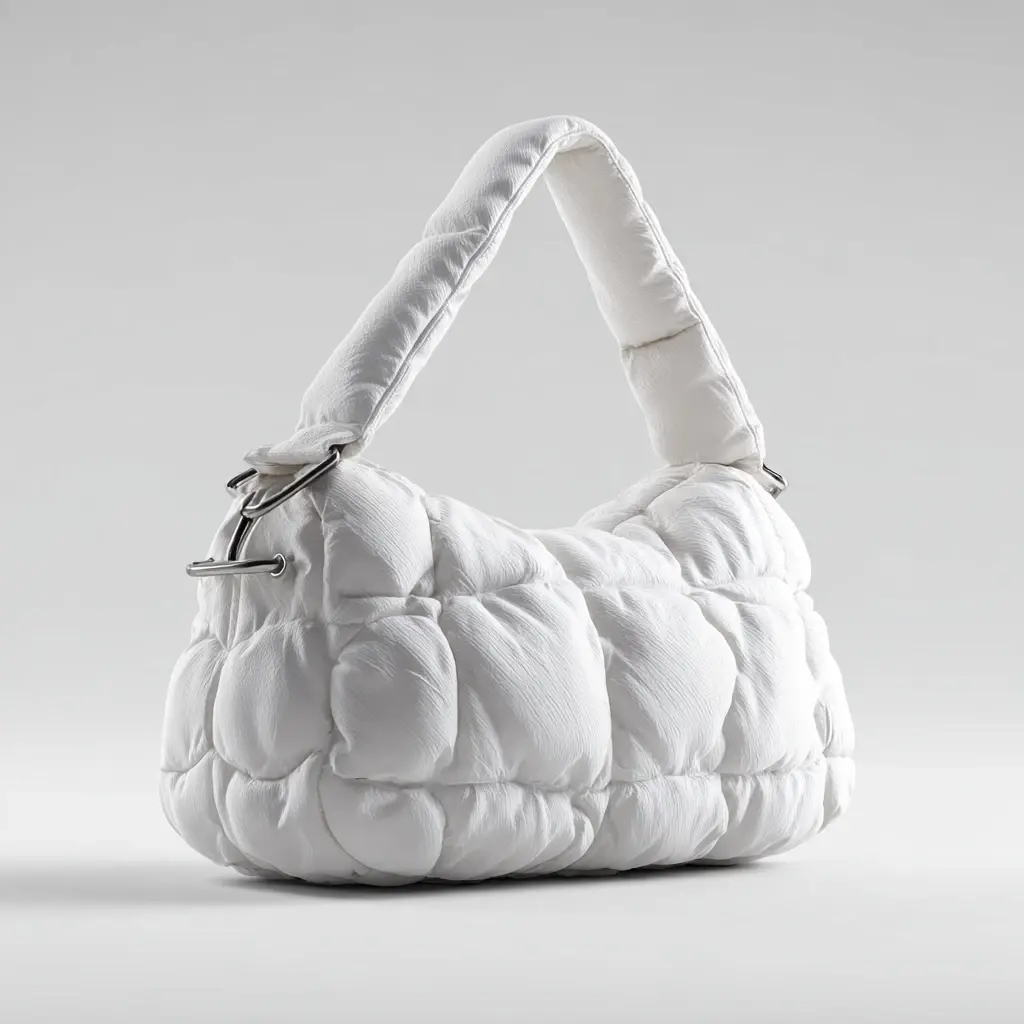
- What the Last Gate Actually Checks
- When Should the Inspection Date Be Booked?
- How Many Cartons Get Opened, and Why That Number?
- What Gets Measured Before Anything Else?
- Which Defects Are Major, and Which Are Minor?
- What Happens When the Lot Fails?
- Who Should Hold the Report?
- How This Gate Differs From Inline and Final QC
- What to Send When You Book the Inspection
What does a pre-shipment inspection actually check before your handbags ship? It checks the packed lot, not the process: carton count against the packing list, a random sample drawn under ISO 2859-1 at AQL 2.5, measurements against the tech pack within plus or minus 3 mm, zipper and closure function, colour against the approved swatch at Delta E 2.0, and the carton markings that decide whether goods clear the warehouse. A pre-shipment inspection is the last moment at which a defect is still a production problem rather than a warehouse problem, and it is the only QC gate that measures the exact cartons you are about to pay the balance on. For a 1,200-piece lot the sample is 80 units with an accept number of 5 and a reject number of 6 for major defects; booking happens when roughly 80 percent of the lot is packed and the remainder is available for re-sorting.
What the last gate settles
What the Last Gate Actually Checks
Why Is the Inspection Run on Packed Cartons Rather Than on the Line?
Because the unit of purchase at this stage is the carton, not the bag. A line check tells you whether an operator is sewing correctly today; a pre-shipment inspection tells you what is inside boxes 41 to 60 out of 60, which is what the goods receipt team at your warehouse will open. The inspection therefore starts with the packing list and the carton count, then draws cartons at random rather than from the top of the nearest stack.
- Quantity and assortment. Carton count, pieces per carton, and the style and colourway split against the purchase order; a correct bag in the wrong carton is a picking error that costs more to fix at destination than at origin.
- Workmanship. Stitch density counted at 7-9 stitches per inch with Tex 40 thread, a 10 mm seam allowance, back-tacking at strap attachments and no skipped or broken stitches on load-bearing seams.
- Function. Zippers run 500 open-close cycles on sample units, magnetic closures tested for retention, sliders and adjusters worked through their full travel, and feet and studs checked for seating.
- Material and colour. Body material matched to the approved swatch at Delta E 2.0 or better under a D65 light source, with shading checked across panels of the same bag and across bags in the same carton.
- Packing. Five-ply export carton, polybag with warned ventilation where required, silica gel where humidity is a risk, and shipping marks that match the documents your forwarder will present.
The order matters more than it looks. Quantity and packing go first because they are binary and cheap to confirm; workmanship and function take the inspector's time; colour is judged last and only after the reference swatch has been placed beside the bag under the same light. A report that lists twenty workmanship notes but never states the carton count has missed the failure that costs the most at destination.
When Should the Inspection Date Be Booked?
Book it when about 80 percent of the lot is packed and the remaining 20 percent is still on the floor and available for re-sorting. That ratio is the whole trick: too early and the inspector measures a partial lot that does not represent the run; too late and every carton is sealed, so a failure means unpacking the entire order. With a bulk window of 35-50 days, the inspection lands in the final 3-6 days, and the booking should be pencilled in when the deposit is paid rather than when the goods are finished.
- At 80 percent packed. Enough cartons exist for a random draw, and the loose balance can be sorted without unsealing finished boxes.
- Not on the last day. A fail with no loose stock left turns a re-sort into a re-pack, which adds 2-4 days and a second inspection fee.
- Before the vessel cut-off. Transit to the US West Coast runs 18-28 days and 30-38 days to Northern Europe; a re-sort that misses the booking costs more than the inspection fee.
- On a named day. Inspection is a booked activity with a fee per man-day; a date in writing converts good quality into an event somebody has to show up for.

Two calendar habits hold this gate. First, ask for the packing list 48 hours before the inspector arrives, because the random draw is built from it and a list produced on the day is usually wrong. Second, hold the balance payment until the report is in your hands; the inspection only has teeth if the money has not moved. Programmes run through our validated partner factory Quanzhou Yingming Bags book the date at deposit stage for exactly this reason, which is why the handbag quality control reference treats inspection as a scheduled milestone rather than a favour.
How Many Cartons Get Opened, and Why That Number?
The number is set by the lot size and the inspection level, not by the inspector's judgement. Under ISO 2859-1 at general inspection level II, a lot of 501 to 1,200 pieces draws a sample of 80 units; at AQL 2.5 the accept number is 5 and the reject number is 6 for major defects. Cartons are then opened to fill that sample: with 20 pieces per carton, four cartons supply the sample, and inspectors typically open one or two more than the arithmetic requires so that the draw is not predictable.
| Lot size (pcs) | Code letter | Sample size | AQL 2.5 major: Ac / Re | Cartons typically opened |
|---|---|---|---|---|
| 281 - 500 | H | 50 | 3 / 4 | 3 - 4 at 20 pcs per carton |
| 501 - 1,200 | J | 80 | 5 / 6 | 5 - 6 at 20 pcs per carton |
| 1,201 - 3,200 | K | 125 | 7 / 8 | 7 - 9 at 20 pcs per carton |
| 3,201 - 10,000 | L | 200 | 10 / 11 | 11 - 14 at 20 pcs per carton |
| 10,001 - 35,000 | M | 315 | 14 / 15 | 16 - 20 at 20 pcs per carton |
Notice what the table implies about the first order. At MOQ 500 pcs per style / colourway, the whole sample is 50 units and the accept number is 3, which means a handbag programme lives or dies on a very small number of observations. Two major defects found in 50 units is a pass; four is a fail. That is why the defect classes need to be agreed in writing before the inspector arrives rather than argued afterwards, and why the AQL 2.5 explained in plain terms walkthrough is worth reading before the first booking.
What Gets Measured Before Anything Else?
Dimensions, because they are the cheapest thing to get wrong and the most expensive thing to discover late. An inspector measures body width, height, gusset depth and strap drop on at least three units per sample and compares them to the approved sample rather than to the drawing, since the approved sample is the artefact both parties signed. Where the tech pack states a tolerance, it governs; where it does not, plus or minus 3 mm on soft construction and plus or minus 5 mm on structured or framed bodies is the working convention.
| Check | Method | Working tolerance or threshold |
|---|---|---|
| Body width and height | Steel rule on a flat, empty bag | Plus or minus 3 mm soft; 5 mm structured |
| Gusset depth | Measured at base and at mid-panel | Plus or minus 3 mm |
| Strap drop | From top edge to strap apex, unloaded | Plus or minus 5 mm on a 22-30 cm drop |
| Stitch density | Counted over 25 mm at three positions | 7-9 stitches per inch, back-tacked at stress points |
| Colour | Compared to approved swatch under D65 | Delta E 2.0 or better |
| Hardware plating | Visual plus 24 h neutral salt spray to ASTM B117 | No base metal or blistering at 24 h |
| Carton weight and count | Weighed and counted against the packing list | Zero variance permitted |
Measurement is also the one check that a photograph cannot replace. A picture shows a crooked stitch line convincingly; it cannot show that a 26 cm body came in at 30 cm and will not sit under a customer's arm the way the sample did. Ask for the dimension table in the report with actual measured values, not a tick in a box.
Which Defects Are Major, and Which Are Minor?
The classification decides whether the lot ships, and it should be written into the purchase order rather than invented on the day. A critical defect is one that makes the bag unsafe or unsaleable, such as a sharp edge on hardware or a needle left in the lining, and any single critical fails the lot. A major defect is one a retail customer would notice and reject, such as a broken strap stitch or a zipper that jams. A minor defect is one that a careful buyer notices but would still accept, such as a thread end of 3 mm or a light crease that relaxes out.
| Observation | Class | Why it lands there |
|---|---|---|
| Needle or broken blade left in lining | Critical | Safety issue; a single instance fails the lot |
| Strap attachment seam broken or unpicked | Major | Load-bearing failure the customer will experience in use |
| Zipper jams or separates at 500 cycles | Major | Function failure on the primary closure |
| Visible adhesive on front flap edge | Major | Visible in a product photograph and at the shelf |
| Body colour off by Delta E above 2.0 | Major | Breaks the approved reference and the set match |
| Thread end of 3 mm inside a pocket | Minor | Noticeable on close inspection but not in use |
| Light crease that relaxes out on hanging | Minor | Temporary and not visible after unpacking |
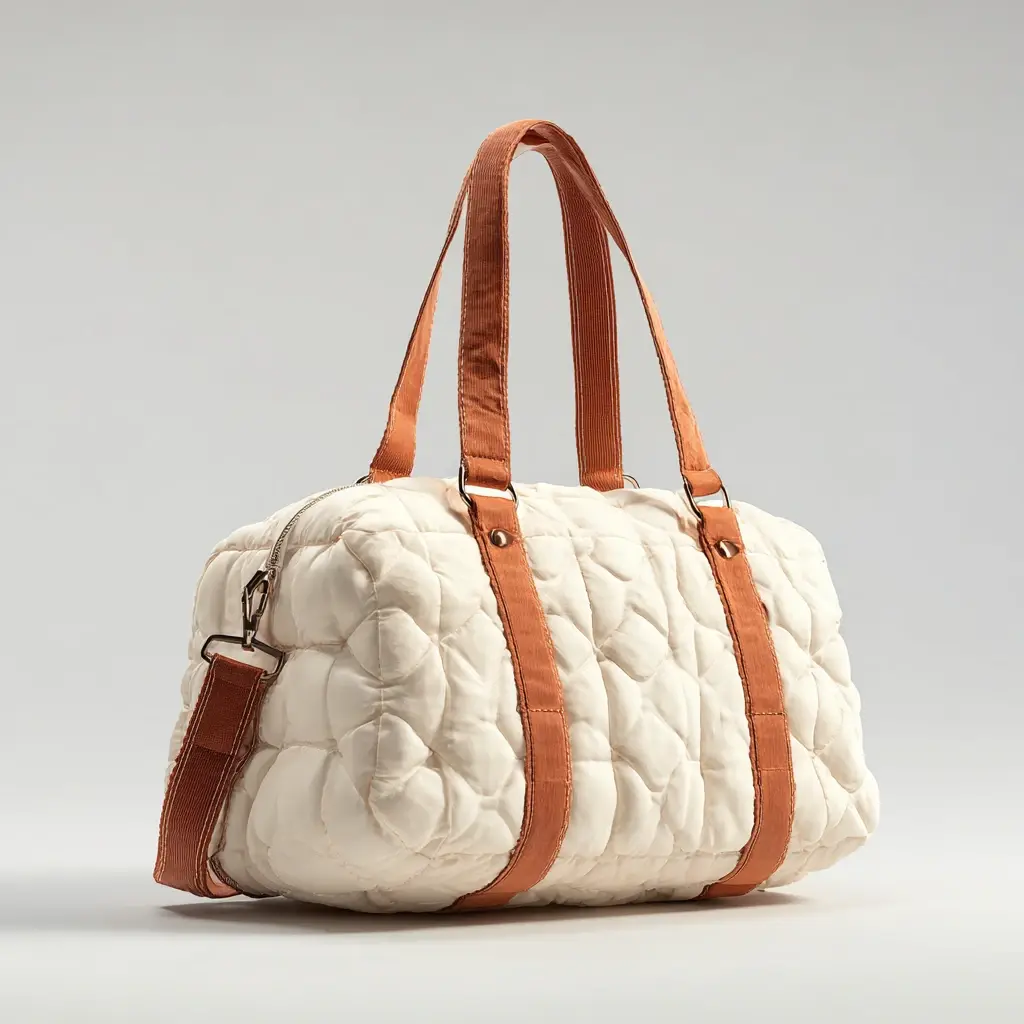
Where a defect could plausibly be classed either way, the tie-breaker is the customer experience at the shelf rather than at the bench. A 4 mm glue line inside a pocket is invisible in use and belongs in the minor column; a 4 mm glue line on the front flap edge is visible in a product photograph and belongs in the major column. Agreeing that distinction in the specification removes the argument that otherwise costs two days at the end of the run.
What Happens When the Lot Fails?
Four outcomes are possible, and only the first two are worth planning for. A fail at AQL 2.5 means the defect count reached the reject number; it does not mean the lot is scrap. What happens next depends on whether the remaining 20 percent of stock is still loose on the floor, which is the practical reason for booking at 80 percent packed.
- Re-sort. Loose and packed stock is sorted against the defect definition by a dedicated team, defective units are pulled, and the lot is re-presented. This costs 1-3 days and is the normal outcome.
- Rework. Where the defect is repairable, such as a skipped topstitch or a mis-set rivet, units are repaired and re-inspected. Rework adds 2-4 days and should be re-inspected on the same standard, not on a promise.
- Ship with an allowance. Sometimes agreed where the defect is cosmetic and the goods are needed; the allowance should be a percentage of invoice value, agreed in writing, and never a verbal understanding.
- Reject and re-make. Rare, expensive, and usually the result of a systematic error such as a wrong material or a wrong measurement across the run; at 35-50 days of bulk lead time this costs the season.
The cost of each option should be assigned before the inspection, not negotiated after it. Re-sorting at origin costs a fraction of handling returns at destination, where a single returned handbag can consume the entire margin on ten units once freight, processing and a replacement are counted.
Who Should Hold the Report?
You should, in full, with photographs, and issued before the balance payment is released. A report held by the production side is not a report; it is an internal memo. The document should state the lot size, the sample size, the AQL applied, the defect counts by class with the accept and reject numbers, the measured dimensions, and a clear pass, fail or hold conclusion. Anything less is not usable as evidence if a dispute later reaches a claim.
- Issued to the buyer. The report belongs to whoever is paying the balance.
- Photographs with scale. Each defect class illustrated with a ruled or scaled photograph, not a close-up with no reference.
- Named inspector and date. Traceability matters more than prose when a claim is filed months later.
- Third party on request. SGS or an equivalent body can run the inspection independently where the programme or the retailer requires it.
- Retained for the claim file. Reports, packing lists and photographs together are the evidence pack that makes a later claim winnable.
The defects that most often fail a final inspection are worth studying before the first booking, because a specification that names them in advance converts a subjective argument into a count. That is also the evidence base if the shipment later arrives damaged and a claim has to be filed.
How This Gate Differs From Inline and Final QC
Inline inspection happens during production and is a process control: it catches a drift early enough to correct the remaining 70 percent of the run. Final inspection happens at the end of the line, often on unpacked goods, and measures workmanship. Pre-shipment inspection measures the packed, counted, marked lot and is the only one of the three that a warehouse or a marketplace can rely on. Running all three is not wasteful at MOQ 500 pcs; it is the difference between finding a defect at day 12 of a 35-50 day run and finding it at day 48.
The practical split is this: inline for anything that is expensive to repeat, such as a branded emboss or a plated hardware lot; final for workmanship and measurement; pre-shipment for quantity, packing and marking. Each gate has a different sample logic and a different cost, and none of them substitutes for the others.
What to Send When You Book the Inspection
A booking is only as good as the reference material attached to it. Send the approved sample or its reference number, the signed specification with tolerances, the packing list in advance, the branding position drawing, and the defect classification you expect to be applied. With those five items the inspector can work without asking questions; without them the report will contain opinions.
- Approved sample reference, or the physical sample if it is held at origin.
- Specification with tolerances in millimetres, including strap drop and gusset depth.
- Packing list 48 hours ahead, so the random draw can be planned.
- Carton marking and packaging requirements, including any marketplace prep rule.
- Defect classification agreed in writing before the inspector arrives.
Book the last gate before the vessel cut-off
Send your lot size, packing list and specification, and a private label coordinator will pencil the pre-shipment inspection into the calendar at deposit stage: AQL 2.5 under ISO 2859-1, report issued to you before the balance moves, third-party inspection by SGS on request. Get a quote.
Frequently Asked Questions
What is a pre-shipment inspection for handbags?
It is a random inspection of the packed, counted lot against the approved sample and the written specification, run under ISO 2859-1 at AQL 2.5. It checks quantity and assortment, workmanship, function, colour, measurement and packing, and it produces a report with defect counts, an accept or reject conclusion and photographs.
When should the pre-shipment inspection be booked?
When about 80 percent of the lot is packed and the remaining 20 percent is still loose and available for sorting. Booked earlier, the sample does not represent the run; booked later, every carton is sealed and a fail means unpacking the whole order, adding 2-4 days and a second fee.
How many units are inspected from a 500-piece handbag order?
Fifty units, under ISO 2859-1 general inspection level II for a lot of 281 to 500 pieces. At AQL 2.5 the accept number is 3 and the reject number is 4 for major defects, so two majors is a pass and four is a fail. Cartons are drawn at random from the packing list.
What tolerance applies to handbag measurements at inspection?
Plus or minus 3 mm on soft construction for body width, height and gusset depth, plus or minus 5 mm on structured or framed bodies, and plus or minus 5 mm on a strap drop of 22 to 30 cm. Where the specification states a tighter figure, the specification governs.
What is the difference between a major and a minor defect?
A major defect is one a retail customer would notice and reject, such as a broken strap stitch, a jammed zipper or visible glue on a front edge. A minor defect is one a careful buyer notices but accepts, such as a 3 mm thread end. Critical defects, such as a needle in the lining, fail the lot on a single instance.
What happens if the lot fails the pre-shipment inspection?
The usual outcome is a re-sort: loose and packed stock is sorted against the defect definition, defective units are pulled, and the lot is re-presented, costing 1-3 days. Repairable defects go to rework at 2-4 days. Shipping with an allowance or rejecting and re-making are possible but far more expensive.
Who receives the inspection report?
The buyer, in full, with photographs, before the balance payment is released. The report should state lot size, sample size, the AQL applied, defect counts by class with accept and reject numbers, measured dimensions and a clear pass, fail or hold conclusion.
Is a third-party inspection worth the fee?
Where the programme is new, the retailer requires it, or the order is large enough that a re-make would cost the season, yes. SGS or an equivalent body inspects independently against your specification, and the fee is small against the cost of discovering a systematic defect after the goods have landed.
Does a pre-shipment inspection replace inline and final inspection?
No. Inline controls the process while 70 percent of the run is still unmade, final measures workmanship at the end of the line, and pre-shipment measures the packed and marked lot. Each has a different sample logic and cost, and none substitutes for the others.
What should be sent when booking the inspection?
The approved sample or its reference, the signed specification with tolerances in millimetres, the packing list 48 hours in advance, the carton marking and packaging requirements including any marketplace prep rule, and the defect classification agreed in writing before the inspector arrives.
How does the inspection affect the balance payment?
The report should arrive before the balance moves. Inspection only has teeth when the money has not been released, because a fail discovered after payment converts a production problem into a claim, and a claim is slower, more expensive and far less certain than a re-sort at origin.
People Also Ask
Is AQL 2.5 strict enough for handbags?
For most private label programmes, yes: at a sample of 80 units the accept number is 5 and the reject number is 6 for major defects. Where a retailer or a marketplace imposes its own standard, that standard is written into the purchase order and governs instead.
Can an inspection be run on a partial lot?
It can, but the report only covers what was presented. Booking at about 80 percent packed gives a representative sample while leaving loose stock available for sorting, which is why that ratio is the working convention rather than a completed lot.
How long does a pre-shipment inspection take?
Typically one to two man-days for a 500 to 3,200 piece lot, plus 1-3 days for a re-sort if the lot fails. Build 3-6 days for inspection and handover into the calendar after the 35-50 day bulk window.
What is the most commonly missed check at the last gate?
Carton marking and packing. Workmanship gets the attention, but a correct bag in a wrongly marked carton, or a carton count that does not match the packing list, is what causes goods to be held at destination.
Sources and further reading
Every figure on this page is either our own programme data or attributed below. Open the originals before you write them into a specification.
- FashionUnited — fashion industry news and dataFashionUnited Industry news and company data for the fashion sector.
- World Intellectual Property OrganizationWIPO International trademark and design registration before tooling starts.
- National Institute of Standards and TechnologyNIST Measurement standards and reference materials behind calibrated testing.