Handbag Tissue Paper and Seals: Small Details Big Impression
How much does tissue paper and a seal matter in handbag packaging? Together they cost about USD 0.06 per unit — two sheets of 17 gsm acid-free tissue at USD 0.04 and a 40 mm matte paper seal at USD 0.02 — and they are the first two things a customer touches. Tissue and seals carry the highest ratio of perceived value to cost of anything in a handbag pack, because they are touched in the first twelve seconds and cost less than one percent of a typical unit price. The numbers that decide whether they work: 17 gsm with a 15 percent ink ceiling, acid-free at pH 7.0-8.5, and a seal with permanent acrylic adhesive applied between 5 and 40 degrees Celsius.
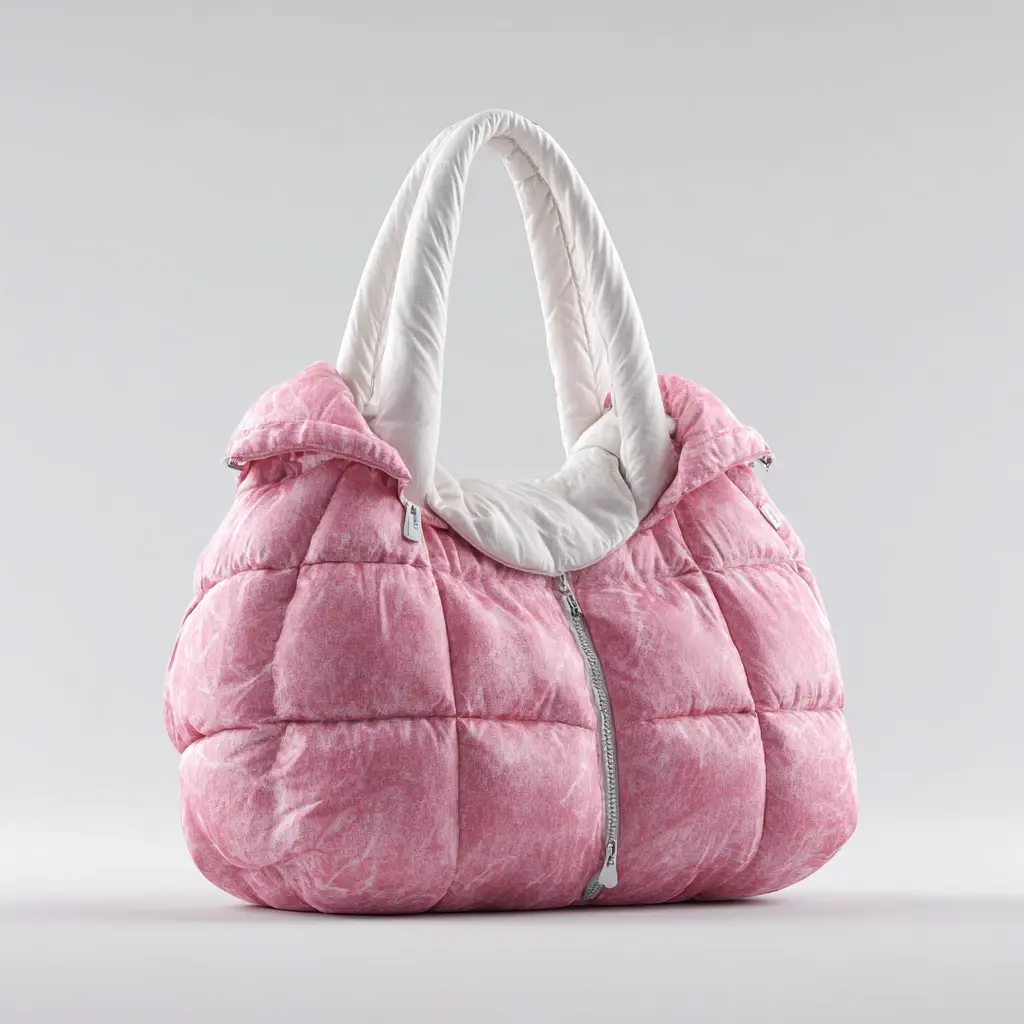
- Two Details, Six Cents, and a Disproportionate Impression
- The Tissue Number: GSM, Sheet Count and Fold
- What Printing Tissue Actually Costs
- The Seal: Diameter, Adhesive and Application
- Ink, Acidity and What Touches Leather
- Light Colourways and the Transfer Problem
- Cost per Unit at 500, 2,000 and 5,000
- Where the Two Details Sit in the Pack
- The Three Failures to Inspect For
- Ordering Printed Tissue and Seals: Minimums, Lead Times, Shelf Life
- Matching the Two Details to Each Colourway
- What the Two Details Cost in Bench Time
How much does tissue paper and a seal matter in handbag packaging? Together they cost about USD 0.06 per unit — two sheets of 17 gsm acid-free tissue at USD 0.04 and a 40 mm matte paper seal at USD 0.02 — and they are the first two things a customer touches. Tissue and seals carry the highest ratio of perceived value to cost of anything in a handbag pack, because they are touched in the first twelve seconds and cost less than one percent of a typical unit price. The numbers that decide whether they work: 17 gsm with a 15 percent ink ceiling, acid-free stock at pH 7.0-8.5, and a seal with permanent acrylic adhesive applied between 5 and 40 degrees Celsius.
Tissue and seal specification
Two Details, Six Cents, and a Disproportionate Impression
Packaging conversations usually start with the expensive components — the dust bag, the carton, the hangtag — because that is where the money is. The two cheapest components are also the two the customer meets first, and their combined cost of about USD 0.06 is under 3 percent of a typical eight-component pack costing USD 1.85-3.40 per unit.
That asymmetry is worth exploiting deliberately. A USD 0.03 upgrade from 250 gsm to 350 gsm hangtag card is invisible to most customers. A USD 0.02 seal that closes the tissue neatly is visible to every one of them, because it is the gesture that says someone folded this by hand rather than by machine. Spend the small money on the small things first.
The Tissue Number: GSM, Sheet Count and Fold
Tissue is specified by three numbers and two of them are limits rather than targets. Weight sits at 17 gsm for a handbag; below 14 gsm the sheet tears at the corners of a structured bag, and above 22 gsm it fights the fold and springs open in the carton. Sheet count follows the silhouette: two for a tote or satchel, three for a structured frame bag, one for a small crossbody.
| Silhouette | Sheets | Sheet size | Fold |
|---|---|---|---|
| Tote, 34-42 cm wide | 2 | 500 x 700 mm | Single fold, fold to the outside |
| Satchel or shoulder | 2 | 500 x 700 mm | Single fold, fold to the outside |
| Structured frame bag | 3 | 500 x 700 mm | Two folds, corners tucked |
| Small crossbody | 1 | 380 x 500 mm | Single fold, no tuck |
Fold direction is the detail that separates a considered pack from an assembled one. Fold the sheets with the fold to the outside and the seams in, because a visible fold line on the outside of the tissue is the thing a customer photographs and a crushed ball of tissue is the thing they mention in a review. It costs nothing to specify and it is the single highest-return instruction in the pack.
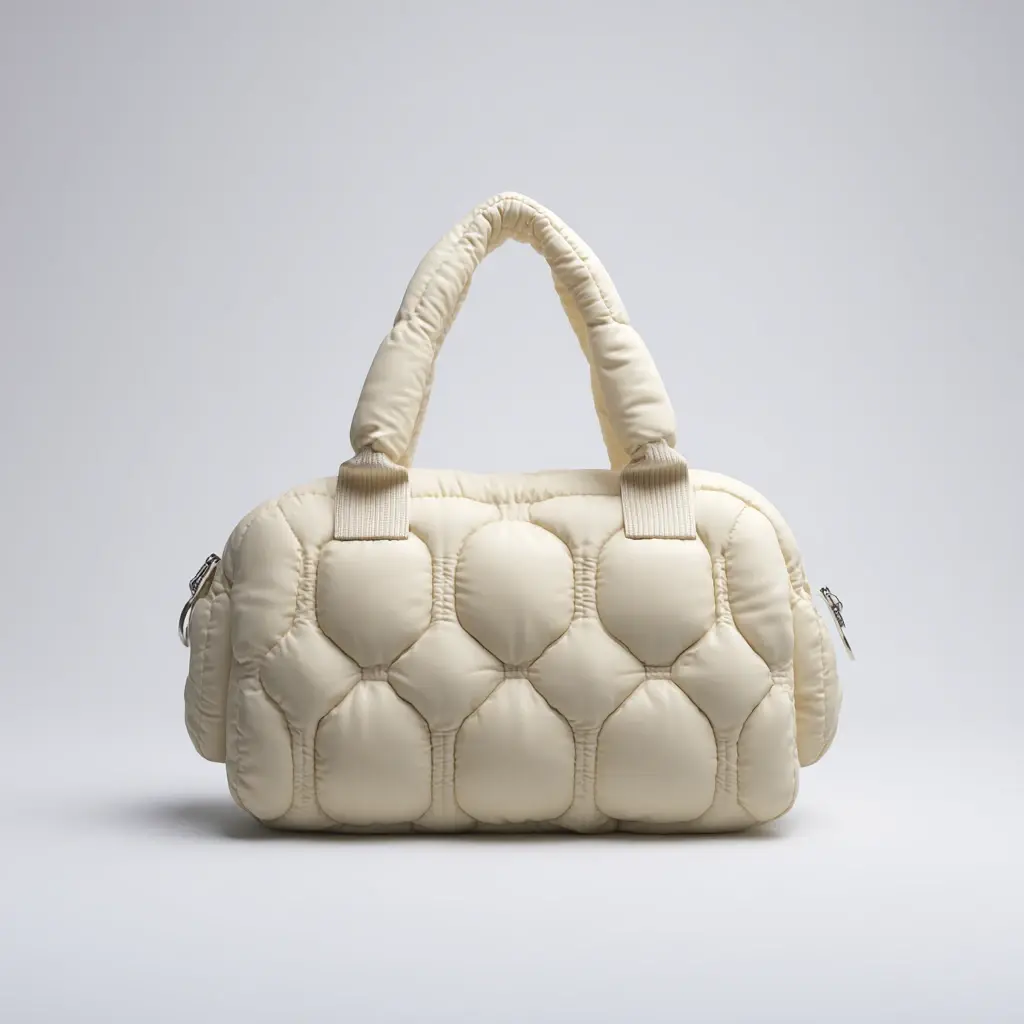
What Printing Tissue Actually Costs
Plain tissue costs about USD 0.04 per unit at 500 pcs; printed tissue adds a plate or screen setup of roughly USD 45-120 plus a small per-unit increment. The setup is the whole story at low volume: divided by 500 units, a USD 90 plate adds about USD 0.18 per unit, which is more than four times the cost of the tissue itself.
- Plain, unprinted. USD 0.04 per unit at 500 pcs. No setup, no risk, and the fold does the work.
- One colour, one side. Setup of USD 45-120 plus about USD 0.02 per unit, so roughly USD 0.24 all-in at 500 pcs.
- One colour at 5,000 pcs. The same setup divided by ten, so about USD 0.06 per unit. This is when printing becomes obvious.
- Two colours. Two setups, and the second one is where the argument usually ends at low volume.
The recommendation at 500 pcs is plain tissue plus a printed seal. The seal carries the mark for USD 0.02 including print, whereas printing the tissue carries it for USD 0.24 — twelve times the cost for a mark seen for the same number of seconds. Once a season clears a few thousand units, move the mark onto the tissue and keep the seal as well.
The Seal: Diameter, Adhesive and Application
A seal is a small object with four specifications: diameter, stock, adhesive and application conditions. 40 mm is the diameter that reads as a seal rather than as a label; matte paper is the stock that reads as stationery; permanent acrylic is the adhesive that holds on paper and film without bleeding.
- Diameter. 40 mm for a tote-sized pack, 30 mm for a small crossbody, 50 mm where the mark has a lot of detail.
- Stock. Matte uncoated paper. Gloss reads as a sticker; matte reads as a seal.
- Adhesive. Permanent acrylic, applied between 5 and 40 degrees Celsius to a dry, dust-free surface.
- Position. Across the tissue fold, centred, so it closes the pack rather than decorating it.
Peel strength matters in both directions. Too weak and seals lift in a warm container, which is a packaging defect at inspection; too aggressive and a customer tears the tissue trying to open it, which is worse than no seal at all. A permanent acrylic on paper tissue gives a clean fibre tear on removal, which is the behaviour to ask for on the physical proof.
Ink, Acidity and What Touches Leather
Tissue and seals sit directly against a finished surface for three to five weeks, so their chemistry matters more than their appearance. Two specifications protect the bag: acid-free stock at pH 7.0-8.5, and an ink coverage ceiling of about 15 percent.
- Acidity. Acidic paper migrates into a finish over a long transit and dulls light leather. Specify acid-free at pH 7.0-8.5 and ask for the mill certificate.
- Ink coverage. Above roughly 15 percent coverage, ink transfers onto light leather under pressure and heat. Single-colour marks stay under the ceiling easily.
- Ink chemistry. Declared against REACH Annex XVII, with Proposition 65 considered for California and CPSIA documentation where an item is marketed to children.
- Adhesive. Acrylic rather than rubber-based, because rubber adhesives can leave a residue line on a coated surface after a warm transit.
Where a programme claims certified or recycled paper, the paperwork is simple and worth having: an FSC chain-of-custody code for certified fibre, or GRS for a recycled-content claim. Both are cheap to obtain at specification stage and impossible to obtain retroactively, and a claim without a code is the version a retail buyer rejects.
Light Colourways and the Transfer Problem
A pack that works on black and tan can fail on ivory, and it fails in the most expensive way: the bag is undamaged, the customer is unhappy, and the fault only appears after several days in a warm container. Transfer is a function of pressure, heat, time and ink load, and a light colourway removes the margin that a dark one provides.
| Variable | Dark colourways | Light colourways |
|---|---|---|
| Tissue print | One colour, up to 15 percent coverage | Unprinted, or a single small mark away from the panel |
| Sheet contact | Direct over the body panel | One extra sheet between the print and the leather |
| Ink type | Standard water-based | Low-migration ink, declared and tested |
| Transit | Standard 18-38 day sea | Consider air for the first light-colourway run |
The cheap test is a five-day oven test at about 50 degrees Celsius with the tissue pressed against a production swatch of the pale leather under a small weight. It reproduces weeks of container heat in less than a week, it needs no laboratory, and it is the only reliable way to know before 500 units ship. Where a programme runs a pale colourway for the first time, run the test on that colourway specifically rather than on the range's standard leather.
Cost per Unit at 500, 2,000 and 5,000
| Specification | 500 pcs | 2,000 pcs | 5,000 pcs |
|---|---|---|---|
| Plain tissue, 2 sheets | USD 0.04 | USD 0.03 | USD 0.025 |
| Printed tissue, 1 colour | USD 0.24 | USD 0.10 | USD 0.06 |
| Seal, 40 mm, printed | USD 0.02 | USD 0.015 | USD 0.01 |
| Both, plain tissue version | USD 0.06 | USD 0.045 | USD 0.035 |
| Both, printed tissue version | USD 0.26 | USD 0.115 | USD 0.07 |
Read the last two rows as a decision rule. At 500 pcs, printed tissue costs more than four times the plain version and delivers a mark that is seen for twelve seconds. At 5,000 pcs the same upgrade costs USD 0.035 more per unit and is worth taking. The quantity at which printing becomes obvious sits somewhere around 2,000 units, which is a useful number to hold when a first order is being specified.
Where the Two Details Sit in the Pack
Sequence is what makes the two components work, and the sequence has them late but not last. Nine steps in total: inspect the bag, fill the cavity to about 60 percent with acid-free paper, wrap the handles in a 40 mm kraft or foam wrap, apply the vented sleeve, put the dust bag on, attach the hangtag, fold the tissue around the bagged unit with the fold out, place the card flat and facing up, and close the carton with an H-seal.
- Tissue after the dust bag, not before. Tissue over a dust bag wrinkles and reads as three layers of nothing.
- Seal across the fold, centred. It closes the pack, which is a function rather than a decoration.
- Card after the seal. The card goes against the tissue facing up, so it is the first flat object seen when the carton opens.
- Photograph the sequence. The bench changes hands over a 35-50 day run and photographs hold it better than a list.
Sampling runs at 6-10 working days, or 12-15 for framed, woven or stacked constructions, and a physical pack should be approved rather than photographs of one. Bulk packaging lands inside the 35-50 day production window, so specifying tissue and seals with the first brief costs nothing in calendar time.
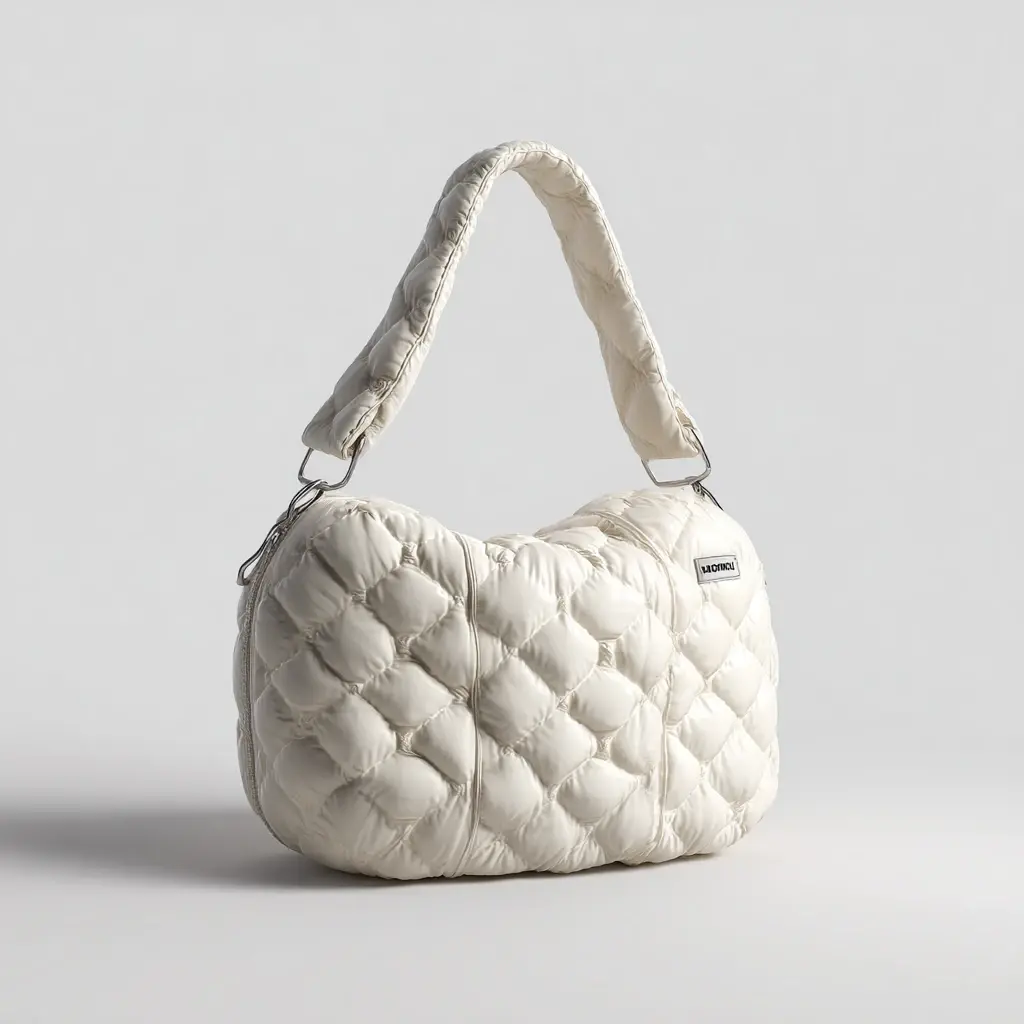
The Three Failures to Inspect For
Tissue and seals fail in three predictable ways, and all three are countable at the pre-shipment inspection rather than arguable afterwards. Under AQL 2.5 and ISO 2859-1, packaging defects belong in the same sampling plan as the bag, so a missing seal or a shredded sheet counts against the lot.
- Shredded or torn sheets. Usually a weight problem: tissue below 14 gsm fails at the corners of a structured bag. Check drawn units after a simulated transit, not only at packing.
- Lifted seals. Usually an application problem: adhesive applied below 5 degrees Celsius or onto a dusty surface. Check a sample after an ISTA 3A test.
- Ink transfer. Usually a coverage problem: above about 15 percent coverage on light leather. Check light colourways specifically, since dark ones hide it.
Two documents round out the file: BSCI and Sedex / SMETA audit references for the validated partner factory, plus an ISO 9001 quality system reference for the process. Both can be supplied for our validated partner factory Quanzhou Yingming Bags, and Leather Working Group traceability covers hides where the programme sources that way.
For the rest of the pack, the twelve-point packaging checklist gives the full sequence, the component-by-component cost breakdown prices every line, and the private label service overview shows where packaging sits in a first brief.
One storage note that costs nothing and prevents a recurring problem: tissue and seals should be held flat, dry and away from direct sunlight at the packing bench. Tissue that has absorbed moisture from a humid bench folds badly and tears at the fold line, and a roll of seals left in direct sun loses tack within a few weeks. Neither failure is visible at packing and both appear as defects at inspection, which is the expensive place to discover a storage habit.
Ordering Printed Tissue and Seals: Minimums, Lead Times, Shelf Life
The pack is cheap and the procurement is not. Printed components carry setup charges and lot minimums that dwarf the per-unit cost, and seals have a tack life that nobody tracks. Buy the wrong quantity and the second season opens by writing off the first season's packaging. Four numbers decide the order, and all four should be confirmed before the deposit is paid.
| Item | Typical minimum | Setup | Lead time | Usable life |
|---|---|---|---|---|
| Plain tissue, 17 gsm | One ream, about 480 sheets | None | Stock, 1-2 days | Indefinite if kept dry |
| Printed tissue, one colour | 1,000-3,000 sheets | 45-120 USD per colour | 6-10 working days | 24 months, flat and dry |
| Seals, 40 mm, printed | 1,000-5,000 pieces | Included above 1,000 | 6-10 working days | 12 months of tack |
| Custom die-cut seal | 5,000 pieces | A cutting forme at 80-200 USD | 10-15 working days | 12 months of tack |
Matching the Two Details to Each Colourway
One tissue specification rarely survives six colourways. A pack that works on black and tan can fail on ivory, and it fails expensively, because the bag is undamaged while the customer is unhappy. The variables are the same four that govern transfer anywhere: pressure, heat, time and ink load. Each colourway family therefore gets its own row rather than inheriting the default.
| Colourway family | Tissue | Seal | Extra precaution |
|---|---|---|---|
| Black and oxblood | One colour, up to 15 percent coverage | 40 mm matte, gunmetal ink | None needed |
| Tan and olive | One colour, up to 15 percent coverage | 40 mm matte, bronze ink | None needed |
| Cream and ivory | Unprinted, or one small mark away from the panel | 30 mm matte, low-migration ink | One extra sheet between print and leather |
| Metallic or foil bodies | Unprinted | Matte paper only, no film stock | Oven test, five days at 50 degrees Celsius |
What the Two Details Cost in Bench Time
At 500 pieces the material is six cents and the labour is the real line. Packing is an operation with a rate, and tissue and seals add seconds to every unit. Worth costing before the pack is specified, because the difference between one fold and two is a shift of bench time across a season, and that is the same money a hardware upgrade would have cost.
- Fold and wrap, two sheets. About 20-30 seconds per unit, so roughly 3-4 hours per 500 pieces.
- Apply one seal across the fold. About 5-8 seconds, so about one hour per 500.
- Three sheets with two folds and tucked corners. About 45-60 seconds, more than double the two-sheet pack.
- A printed pack-out card placed flat. About 4 seconds, and it is the cheapest visible upgrade in the box.
- At 5,000 pieces the difference between the two-sheet and the three-sheet pack is close to a full worker-week.
Get the small details specified properly
Send your silhouettes, colourways and quantity. A private label coordinator will specify tissue weight, fold, seal diameter and adhesive, sample the physical pack in 6-10 working days and inspect it at AQL 2.5 under ISO 2859-1 before it ships FOB Xiamen. Get a quote.
Frequently Asked Questions
What weight tissue paper should be used for handbag packaging?
17 gsm acid-free is the working specification for a handbag. Below 14 gsm the sheet tears at the corners of a structured bag, and above 22 gsm it fights the fold and springs open in the carton. Sheet count follows the silhouette: two for a tote, three for a structured frame bag, one for a small crossbody.
How much does tissue paper cost per unit?
Plain acid-free tissue costs about USD 0.04 per unit at 500 pcs for two sheets, falling to about USD 0.025 at 5,000 pcs. Printing adds a plate or screen setup of roughly USD 45-120, which at 500 pcs pushes a printed sheet to about USD 0.24 all-in.
Should tissue paper be printed with a logo?
At 500 pcs, usually not. The setup dominates and the printed sheet costs about four times the plain one for a mark seen for twelve seconds. Print the seal instead, at USD 0.02, and move the mark onto the tissue once a season clears roughly 2,000 units.
What size should a packaging seal be?
40 mm for a tote-sized pack, 30 mm for a small crossbody and 50 mm where the mark carries fine detail. Matte uncoated paper reads as a seal while gloss reads as a sticker, and permanent acrylic adhesive holds on paper and film without bleeding.
What temperature should seals be applied at?
Between 5 and 40 degrees Celsius, onto a dry and dust-free surface. Below that range the adhesive does not wet out and seals lift in a warm container, which counts as a packaging defect at the pre-shipment inspection rather than as a cosmetic issue.
Why does tissue need to be acid-free?
Because it sits against a finished leather surface for three to five weeks. Acidic paper migrates into the finish over a long transit and dulls light colourways. Specify acid-free stock at pH 7.0-8.5 and ask for the mill certificate rather than accepting a description.
How much ink coverage is safe on tissue paper?
About 15 percent. Above that, ink transfers onto light leather under the pressure and heat of a long transit. A single-colour mark stays comfortably under the ceiling, while a full-bleed pattern does not, which is why minimal marks also happen to be safer.
In what order do tissue and seals go into the pack?
Tissue goes on after the dust bag, folded with the fold to the outside, and the seal closes the fold. The card is then placed flat against the tissue, facing up, before the carton closes. Putting tissue over a dust bag wrinkles it and reads as three layers of nothing.
What causes seals to lift during shipping?
Usually application conditions rather than adhesive quality: applied below 5 degrees Celsius, applied to a dusty surface, or applied across a fold with tension in it. Check a sample of sealed packs after an ISTA 3A transit test rather than only at the packing bench.
How much does a seal cost at 500 pieces?
About USD 0.02 per unit including print, falling to roughly USD 0.01 at 5,000 pcs. It is the cheapest printed component in the pack and the one that carries the brand mark for the longest relative to its cost, which is why it is the first place to spend small money.
What paperwork covers tissue and seal materials?
A mill certificate for acid-free stock at pH 7.0-8.5, REACH Annex XVII declarations for inks and coatings, Proposition 65 consideration for California and CPSIA where an item is marketed to children. FSC chain-of-custody codes support certified paper claims and GRS supports recycled content.
How are tissue and seals inspected before shipment?
Inside the same AQL 2.5 sampling plan as the bag under ISO 2859-1. Drawn units are checked for torn sheets, lifted seals and ink transfer onto light colourways, ideally after a simulated transit rather than only at the packing bench.
People Also Ask
Is tissue paper worth including at all?
Yes. At about USD 0.04 it is the cheapest component in the pack and the first thing a customer touches. Two sheets folded outward read as deliberate; no tissue reads as a bag in a box.
Can I use coloured tissue?
Yes, but check dye fastness. A coloured sheet against light leather under pressure and heat is the classic transfer scenario, so test it on the lightest colourway in the range.
Should the seal be branded or plain?
Branded, because it is the cheapest place in the pack to carry a mark. At USD 0.02 including print it does the job of a printed tissue sheet at a fraction of the cost.
How many sheets of tissue is too many?
More than three on a tote is too many. Extra sheets add bulk, push the carton dimension up and read as padding rather than as presentation, and freight is charged on volume.
Sources and further reading
Every figure on this page is either our own programme data or attributed below. Open the originals before you write them into a specification.
- Leather Working Group — environmental auditing for tanneriesLeather Working Group Environmental audit protocol for tanneries and leather traceability.
- Consumer Product Safety Improvement Act of 2008 (full text)U.S. Congress / GovInfo The statute behind childrens-product limits and tracking labels.
- International Maritime OrganizationIMO Maritime rules governing container packing and dangerous-goods declaration.