Handbag OEM Lead Time: Sampling Tooling and Bulk Timeline
How long does a handbag OEM run take? Plan 55-80 days from signed brief to goods handed to a forwarder, then 18-38 days of transit, which puts a realistic door-to-door figure at 75-105 days. The bulk window everyone asks about, 35-50 days, is only the middle of that chain, and the stages either side of it are where seasons are actually lost. Two calendars interrupt everything and both are public: the Chinese New Year shutdown of about 21 days, and the autumn shipping rush that begins long before anyone books it.

- A Season That Missed by Nine Days
- The Timeline Written Backwards
- Stage One: Brief, Material and Sampling
- Stage Two: Tooling, Running in Parallel
- Stage Three: Bulk, and Why the Slot Is Scarce
- Stage Four: Inspection and Handover
- Stage Five: Transit and What It Lets You Do
- The Two Calendars That Interrupt Everything
- What Actually Causes the Slip
- The Timeline to Send With the Brief
- How to Recover a Timeline Already Losing
- What the Cash Does While the Calendar Runs
- What Fills the Thirty-Five Days
- Where Float Belongs in a Timeline
How long does a handbag OEM run take? Plan 55-80 days from signed brief to goods handed to a forwarder, then 18-38 days of transit, which puts a realistic door-to-door figure at 75-105 days. The bulk window everyone asks about, 35-50 days, is only the middle of that chain, and the stages either side of it are where seasons are actually lost. Two calendars interrupt everything and both are public: the Chinese New Year shutdown of about 21 days, and the autumn shipping rush that begins long before anyone books it.
The timeline in eight numbers
A Season That Missed by Nine Days
A Dublin accessories brand signed its first OEM brief on 4 September 2025 with a launch date of 15 December. The arithmetic looked comfortable: two weeks of sampling, six weeks of bulk, four weeks of transit. The goods arrived at the warehouse on 24 December, and the launch, which had been booked around a retail promotion, was cancelled nine days short of the window.
Nothing went wrong in the usual sense. The samples were approved in eight working days, the bulk run finished in forty-one days and the vessel sailed on schedule. What had been omitted were the three stages nobody counts: eleven days while the material swatch circulated for approval, six days between the deposit arriving and the slot being booked, and four days of inspection and handover at the end. Twenty-one days in total, none of them a failure, and every one of them predictable in advance.
The rule that follows from it is the rule this whole article is built on. A timeline that only counts the visible stages will be wrong by three weeks, and the three weeks are always in the same places: approvals before the sample, the slot after the deposit, and the handover after the run.
The Timeline Written Backwards
The useful way to plan a handbag run is to start at the launch date and work backwards, because the forward version always leaves out the approvals. Working backwards also reveals the only date that has to be fought for, which is the production slot.
| Milestone | Days before launch | Calendar date |
|---|---|---|
| Launch | 0 | 15 December |
| Goods received | -10 | 5 December |
| Transit, Northern Europe | -38 | 28 October |
| Handover to forwarder | -43 | 24 October |
| Inspection | -48 | 19 October |
| Bulk run ends | -53 | 14 October |
| Bulk run begins, slot booked | -98 | 30 August |
| Sample approved | -108 | 20 August |
| Brief signed | -120 | 8 August |
The striking row is the brief date. A 15 December launch needs a brief signed in early August, and four months is a longer lead than most first-time buyers plan for. The reason is not that the work is slow; it is that the approvals and the booking sit either side of the work and each of them is measured in days.
Stage One: Brief, Material and Sampling
The first stage is three things at once, and it is the stage most compressed by optimism. A brief with a target retail price in it, a physical material swatch approved rather than a screen image, and a sampling window of 6-10 working days that only starts once those two are settled.
- Brief and quotation: 1-3 days. The delay here is a missing target retail price, and it is the single most common cause of a first email exchange taking a week.
- Material confirmation: 2-4 days, and commonly 8-11. A physical swatch has to travel, be approved and be returned; approval on a screen is faster and is the wrong decision.
- Sampling: 6-10 working days for a shelf shape, or 12-15 working days for a framed, woven or stacked construction.
- Review and revision: 3-6 days, compressed to 3-4 where the revision list is numbered and decided against the drawing.
The Dublin brand lost its eleven days in the second row and could have saved eight of them by nominating a decision-maker at brief stage. Two people approving a swatch in sequence is four days; two people approving it in a week-long thread is eleven.
Stage Two: Tooling, Running in Parallel
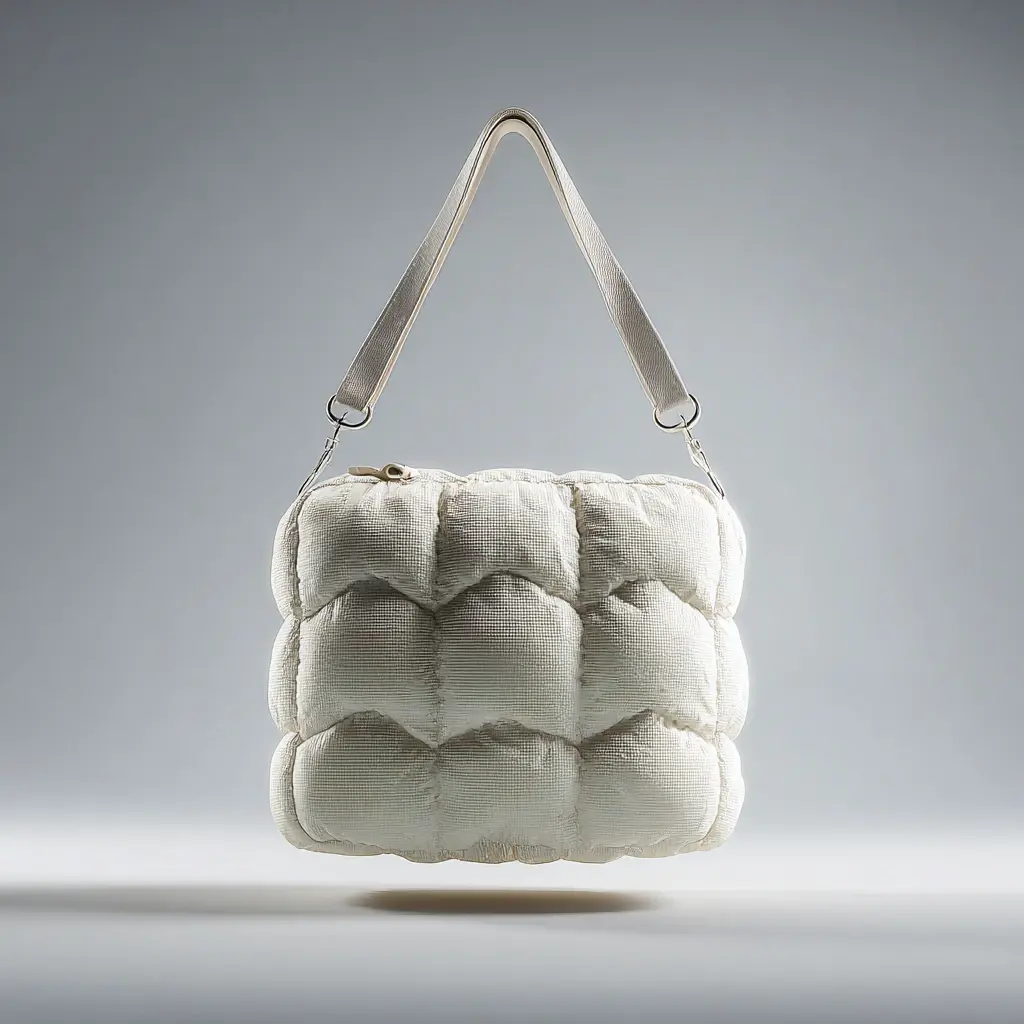
Tooling is the stage that either costs nothing or costs a month, and the difference is only partly about the tool. The decisive variable is whether the artwork was final at brief stage.
| Tool | Added days | Can run in parallel | Avoidable if |
|---|---|---|---|
| Embossing die | 4-6 | Yes | The mark is final at brief stage |
| Metal logo plate | 6-9 | Yes | A stock part is acceptable |
| Mould, sample, plating | 15-20 | Partly | A stock puller carries a debossed mark |
| Two-part custom suite | 20-28 | No | It is deferred to the second season |
| Repeat with retained tooling | 0 | Not needed | The tooling was stored |
A die cut in parallel with the first sample adds nothing to the calendar, because the sampling window was going to be six to ten working days anyway. A die ordered after the sample is approved adds four to six days to a timeline that had already absorbed the sample, and that is the difference between the two. The tooling budget behind these decisions prices each row.
Stage Three: Bulk, and Why the Slot Is Scarce
The bulk run is 35-50 days and it is the stage everybody plans for. What is less visible is that the run cannot start until a production slot exists, and the slot is the scarce resource rather than the days. Across 7 production lines the capacity is real, but it is booked, and two periods each year book it solid.
- Book the slot when the deposit is paid, not when the sample is approved. The gap between those two events is six to eleven days in most first orders, and it is dead time in the calendar.
- Expect 1-2 days for deposit, payment and slot confirmation, which is the row that the Dublin brand assumed was instantaneous.
- Freeze the specification before the run starts. A mid-run change costs days and produces a lot that matches nothing on file.
- Understand what the 35-50 day range reflects: material availability and construction complexity, not inefficiency.
The 50-day end of the range is not a failure. It usually means a construction with more operations, such as a framed base, a quilted panel or a hand-finished edge, and it is the honest number for those. A 35-day run is a simple construction on a booked slot with the material in the store.
Stage Four: Inspection and Handover
The end of the run is not the end of the timeline, and three to six days separate a finished carton from a shipped one. The inspection has to be booked before the goods are packed, because the inspection is what has to happen before the handover, and the booking is the part that gets forgotten.
- Pencil the inspection date in at brief stage, then confirm it when the slot is booked.
- Allow 3-6 days for inspection, any re-sort or rework, and handover to the forwarder.
- Allow a further 1-2 days for documentation: the inspection report, the packing list and the compliance set.
- Treat the report as a shipment document, because a customs or retail onboarding request for it will otherwise arrive after the goods have sailed.
At AQL 2.5 under ISO 2859-1 the inspection itself takes a day for a 500-piece lot and two for a 5,000-piece one; the remaining days are the buffer for what it finds. A lot that fails and needs a re-sort adds two to four days, which is why the buffer is in the plan rather than in the hope.
Stage Five: Transit and What It Lets You Do

| Destination | By sea | By air | What it means for planning |
|---|---|---|---|
| United States West Coast | 18-28 days | 5-8 days | The shortest sea route |
| United States East Coast | 25-32 days | 5-8 days | Adds a week to the West Coast figure |
| Northern Europe | 30-38 days | 5-8 days | The longest common route |
| Australia and New Zealand | 20-30 days | 5-8 days | Seasonal demand runs opposite to Europe |
Those weeks are free working time if they are used, and an expensive wait if they are not. Listing photography, product copy, packaging prep and marketplace onboarding can all be finished while the goods are on the water, and finishing them there removes two to three weeks from the post-arrival calendar.
The Two Calendars That Interrupt Everything
Two periods each year distort every handbag timeline, and both are published well in advance. Planning around them is the single highest-leverage thing a brand can do to a calendar.
- Chinese New Year. A shutdown of about 21 days, with output slowing in the three weeks before it and the three weeks after. Goods intended to ship before it need to be finished and handed over roughly 15 days before the shutdown begins.
- The autumn shipping rush. Bookings tighten from August, and a slot booked in October is a worse slot than the same one booked in July.
- The practical rule. Any launch in the first quarter of the year should have its brief signed in the preceding August or September, before the New Year shutdown and the rush overlap.
A brand that misses the pre-New Year handover does not lose 21 days. It loses the 21 days plus the queue behind it, because every other brand in the same position is re-booking at the same moment, and the realistic cost is five to seven weeks.
What Actually Causes the Slip
Eight causes account for almost every late handbag shipment, and only two of them are production problems. The rest are decisions made before production began or after it finished.
- A missing target retail price, which adds a week to the brief exchange.
- Colour approved on a screen, which produces a re-sampled lot later.
- Artwork supplied as a screenshot, which delays the die.
- A slot booked after approval rather than at deposit.
- A specification changed mid-run, which costs days and creates a lot that matches nothing.
- No inspection booked, which pushes the handover.
- A missing compliance document, which holds the shipment at the documentation stage.
- A transit booking made at the last moment during the autumn rush.
Six of the eight are preventable in the first email, and none of them require the production side to work faster. That is the uncomfortable conclusion of any honest timeline analysis: the delays are administrative, and they are the brand's to prevent.
The Timeline to Send With the Brief
Six items in the first email, and the calendar that comes back is one that can be planned against rather than one that will be revised later.
- The launch date, honest and specific, so the calculation can be done backwards.
- A target retail price per SKU, which removes the longest exchange in the brief stage.
- The shapes and quantities per colourway, at 500 pcs per style and colourway.
- The branding method, with the mark supplied as vector artwork rather than as an image.
- The destination and term, FOB Xiamen, CIF or DDP.
- The name of one person who approves, so a swatch circulates once rather than three times.
The sixth is the one nobody sends and the one that saves most days. A physical swatch with a single named approver is two to four days; the same swatch with three people in a thread is eight to eleven. The low-risk pilot route is the shorter version of the same timeline for a first shape.
How to Recover a Timeline Already Losing
Three recoveries are available when a calendar has already slipped, and they are in order of how much they cost.
- Ship by air. Five to eight days instead of 18-38, at a cost that is usually 3-6 USD per kilogram. Viable for a high-value first drop and not for a full season.
- Split the shipment. Air the quantity needed for the launch and send the balance by sea, which is the most common real-world answer.
- Reduce the scope. One colourway instead of two, or one shape instead of three, which shortens the run and the packing rather than the transit.
The third of those is usually the best, because it reduces the quantity at risk as well as the days. The full OEM programme reference carries the document set that has to accompany the shipment, including REACH, Proposition 65 and CPSIA documentation, BSCI and Sedex audit references, and the ISO 9001 quality system reference.
What the Cash Does While the Calendar Runs
The timeline most brands draw is the one the goods follow. Underneath it runs a second timeline made of payments, and it is longer by about a third. A 30% deposit leaves on booking day, the balance falls around the point the goods are finished, and revenue does not begin until transit and receiving are done. Counting days of exposure rather than days of production is what tells a founder whether a season pays for itself.
- Deposit to balance. On a USD 13,800 purchase order, USD 4,140 leaves at booking and USD 9,660 around day 60, roughly 55-65 days apart.
- Transit is inventory too. Another 18-38 days before anything can be sold, giving 75-105 days of exposure before the first unit ships out.
- Cost of that exposure. At a 9-15% annual cost of money, 100 days on USD 13,800 is USD 340-570, which is more than the sampling fee on all three styles.
- Booking earlier helps twice. Release of 20% rather than 30% on a repeat cuts both the exposure and the cash-out day, without changing a production date.
What Fills the Thirty-Five Days
The bulk window reads as one block and is really five, and knowing the sequence tells a buyer which day to ask about. Material preparation dominates the opening third, and because everything downstream depends on it, this is also where a shortage is cheapest to fix. The later stages are where corrections get expensive, because by then there is nothing left to re-cut.
| Stage | Typical span | What decides it |
|---|---|---|
| Laying out, clicking and cutting | Days 1-4 | Panel count and whether the hide or the roll landed on time |
| Splitting, skiving and preparation | Days 4-8 | Thickness held at 1.2-1.4 mm within plus or minus 0.1 mm |
| Assembly on the line | Days 8-22 | Operation count; 38-45 for a simple tote, 74-82 for a structured satchel |
| Edge finishing and branding | Days 22-30 | Number of coats, and whether a logo plate is set by hand |
| Cleaning, checking and packing | Days 30-35 | 20 units a carton, 4-6 units set aside as reference stock |
Where Float Belongs in a Timeline
Every plan needs slack, and about three weeks of it is enough if it is placed rather than scattered. Float spread evenly across stages disappears without anybody noticing; float placed at the three points where decisions get made absorbs the failures that actually occur. The allocation below adds roughly 22 days to a 55-80 day schedule and removes most of the late-shipment risk a first programme carries.
- Before sampling, 4-6 days. Swatch approval and a physical colour standard, where naming one approver returns most of the float unused.
- Between approval and production 35-50 days. Slot confirmation, deposit clearance and the material readiness date, in that order.
- After the run, 5-7 days. Inspection at AQL 2.5, any re-sort, documentation and handover to the forwarder.
- Before the launch date, 10-12 days. Receiving, unpacking, photography and listing, none of which appear on a production calendar.
Plan the calendar before the price
Send the launch date, the shapes and one named approver. A private label coordinator will return a backwards-planned calendar with sampling at 6-10 working days, bulk at 35-50 days, inspection at AQL 2.5 under ISO 2859-1 and the transit route. Programmes have moved through our validated partner factory Quanzhou Yingming Bags since 2014, across 7 production lines and about 200,000 pcs per month. Get a quote.
Frequently Asked Questions
How long does a handbag OEM run take in total?
Plan 55-80 days from signed brief to goods handed to a forwarder, then 18-38 days of transit, giving 75-105 days door to door. The 35-50 day bulk window is the middle of that chain, and the approvals before it and the inspection after it add the rest.
Why is the total longer than the bulk window?
Because three stages sit outside the run: material approval at 2-4 days and commonly 8-11, deposit and slot confirmation at 1-2, and inspection and handover at 3-6. Those three alone are responsible for most of the gap between a 50-day run and an 80-day programme.
When should the production slot be booked?
When the deposit is paid, not when the sample is approved. The gap between those two events is six to eleven days in most first orders, and it is dead time; across 7 production lines the capacity exists but it is booked.
How does Chinese New Year affect a handbag timeline?
The shutdown runs about 21 days, with output slowing in the three weeks either side of it. Goods intended to ship before it should be finished and handed over roughly 15 days before it begins, and missing that window costs five to seven weeks rather than three.
How long is sampling for a custom handbag?
Six to ten working days for a shelf shape, and twelve to fifteen for a framed, woven or stacked construction. The revision round on either side is three to six days, compressed to three to four where the revision list is numbered and decided against the drawing.
How much time does tooling add?
An embossing die adds 4-6 days, a metal logo plate 6-9, and a mould that has to be cut, sampled and plated 15-20. All three can run in parallel with the sampling window if the artwork was final at brief stage, which is what removes the addition entirely.
What are the transit times to the main destinations?
Eighteen to 28 days by sea to the United States West Coast, 25-32 to the East Coast, 30-38 to Northern Europe and 20-30 to Australia and New Zealand. By air every route is five to eight days, at roughly 3-6 USD per kilogram.
What most often causes a handbag shipment to be late?
Eight causes, and only two are production problems. A missing target retail price, colour approved on a screen, artwork as a screenshot, a slot booked after approval, a mid-run specification change, no inspection booked, a missing compliance document and a last-minute transit booking account for almost all of it.
How can a slipping timeline be recovered?
Three options in order of cost: reduce the scope to one colourway or one shape, split the shipment and air only the launch quantity, or air the whole lot at 3-6 USD per kilogram. Reducing the scope is usually the best of the three.
How far ahead should a first brief be signed?
Roughly four months before the launch date. A 15 December launch needs a brief signed in early August, because working backwards from the date reveals the approvals and the booking either side of the production run.
Does the inspection add to the timeline?
Yes, three to six days, and it must be booked before the goods are packed because the inspection has to happen before the handover. A lot that fails and needs a re-sort adds a further two to four days, which is why the buffer belongs in the plan.
What is free working time in a handbag timeline?
The 18-38 days of transit. Listing photography, product copy, packaging prep and marketplace onboarding can all be completed while the goods are on the water, which removes two to three weeks from the post-arrival calendar.
People Also Ask
Is the 35-50 day bulk window the whole lead time?
No. It is the middle of it. The approvals before the run and the inspection after it add 20-30 days that are predictable in advance and are usually left out of the plan.
What is the cheapest way to shorten a timeline?
Send a target retail price, vector artwork and the name of one approver in the first email. All three are free and together they remove a week to ten days.
Is air freight ever the right answer?
For a high-value first drop, yes, at 5-8 days instead of 18-38. For a full season at 3-6 USD per kilogram it usually is not, and splitting the shipment is the better answer.
Does a larger quantity lengthen the timeline?
Barely. The calendar is set by approvals, the slot and the construction rather than by the quantity, which is why moving from 500 to 2,000 pcs changes the price and not the dates.
Sources and further reading
Every figure on this page is either our own programme data or attributed below. Open the originals before you write them into a specification.
- FashionUnited — fashion industry news and dataFashionUnited Industry news and company data for the fashion sector.
- Incoterms rulesICC The rules that decide where cost, risk and insurance transfer.
- China Briefing trade and manufacturing analysisChina Briefing Trade, tax and compliance analysis for sourcing from China.