Custom Mailer Bags and Boxes: Branded Shipping Experience
Custom mailer bags and boxes both ship a handbag safely, but only one of them gets remembered. A Copenhagen direct-to-consumer label moved 620 structured totes in single-wall mailers and took a 4.1 percent damage rate on the first drop; after switching to a 340 x 240 x 90 mm E-flute carton with a 32 kN/m edge crush rating, damage fell to 0.6 percent and the share of customers posting an unboxing clip roughly doubled. The rule the case exposes: a mailer is a bag-shaped envelope that optimises freight, and a box is a structure that protects a structured product, so the choice follows the silhouette rather than the budget. Cost per shipment moves from about USD 0.38 to about USD 0.92 at 500 pieces, and on a USD 48 retail ticket that premium is recovered by fewer than three avoided returns.
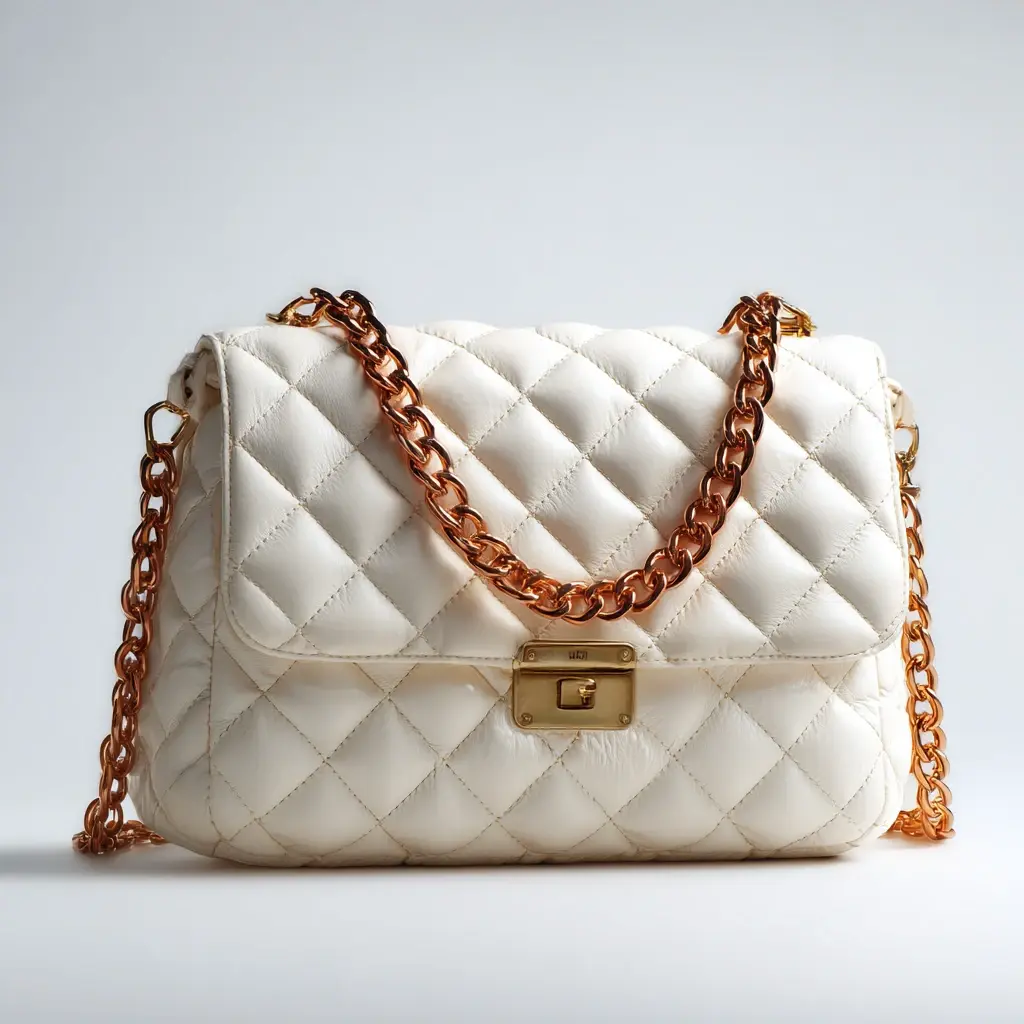
- The Parcel That Cost a Repeat Order
- Where the Damage Actually Happened
- Mailer or Box: What the Dimensions Decide
- Board Grade, Flute and the Crush Line
- Print on the Outside: What Survives the Belt
- What the Customer Touches in the First Ten Seconds
- Cost per Shipment at 500 and 2,000
- Rewriting the Spec After One Season
- How a Shipping Pack Gets Signed Off
- Volumetric Weight: Why Pack Size Sets the Freight Bill
- The Return Leg: Packing for the Parcel That Comes Back
Custom mailer bags and boxes both ship a handbag safely, but only one of them gets remembered. A Copenhagen direct-to-consumer label moved 620 structured totes in single-wall mailers and took a 4.1 percent damage rate on the first drop; after switching to a 340 x 240 x 90 mm E-flute carton with a 32 kN/m edge crush rating, damage fell to 0.6 percent and the share of customers posting an unboxing clip roughly doubled. The rule the case exposes: a mailer is a bag-shaped envelope that optimises freight, and a box is a structure that protects a structured product, so the choice follows the silhouette rather than the budget. Cost per shipment moves from about USD 0.38 to about USD 0.92 at 500 pieces, and on a USD 48 retail ticket that premium is recovered by fewer than three avoided returns.
The shipping pack, measured
The Parcel That Cost a Repeat Order
The Copenhagen label launched a structured tote in three colourways in early 2026. The first 620 units went out in a kraft mailer chosen because it was cheap, light and looked every bit as considered as a carton on a product page. Photographs of the mailer on a doorstep tested well, and nobody in the buying meeting thought to ask what the mailer did to the corners of a bag with a reinforced base.
The damage data arrived before the second drop was even ordered. Of 620 shipments, 25 came back with corner crush, handle creasing or a distorted base board, which is 4.1 percent. Each one cost a return label, a replacement unit and a support exchange, roughly USD 31 in total. The label also noticed something harder to measure: the replacement parcels arrived in the same mailer, and three of those customers did not order again.
The diagnosis was not complicated. A structured tote carries its shape through a base board and a laminated gusset, and both are flat planes that resist point loads badly when there is no air gap around them. A mailer wraps the product tightly, so every impact on the outside of the parcel is transferred directly to the stiffest part of the bag. The mailer was not defective; it was simply the wrong geometry for a rigid product.
Where the Damage Actually Happened
Breaking the 25 returns down by failure type is what made the decision obvious. Twenty-two of them were corner or base damage, two were handle creases and one was a scuffed logo plate. Nothing in the set was a moisture problem, a print problem or a closure problem. The failure was one hundred percent structural, which is exactly the class of failure a rigid carton is designed to prevent.
| Failure | Units | Share of returns | Prevented by a rigid carton? |
|---|---|---|---|
| Crushed corner at the base board | 14 | 56 percent | Yes — corner posts and an air gap |
| Base board bowed in transit | 8 | 32 percent | Yes — flute absorbs the point load |
| Handle creased against the strap | 2 | 8 percent | Partly — needs a stuffing and a wrap |
| Scuffed metal logo plate | 1 | 4 percent | No — needs an inner wrap layer |
The last row matters because it prevents over-correction. A carton does not fix a scuff on hardware; an inner wrap does. The right shipping pack is therefore a system of three layers rather than a choice between two: an inner sleeve or wrap that protects the surface, a cavity that absorbs the impact, and an outer that identifies the parcel and survives the belt.

Mailer or Box: What the Dimensions Decide
The tempting way to frame this decision is cost, and cost is the least useful lens. The useful lens is the ratio between the packed product and the cavity it needs. A soft hobo with 220 g of recycled paper stuffing compresses and springs back, so a mailer is fine. A structured satchel with a base board does not, so it needs a cavity that holds its shape when something lands on it.
- Soft body, no base board. A mailer is defensible. The product absorbs the impact itself and the freight saving is real.
- Structured body with a base board. A carton. The board is the stiffest and most damage-prone part, and only an air gap protects it.
- Flat-packed or foldable product. A mailer, because the packed height is under 60 mm and the volumetric saving is large.
- Hardware-heavy product. A carton with a wrap, because a metal plate is a point load that will print through a thin wall.
The second dimension question is the cavity itself. A carton only protects what it does not touch: the useful rule is 15 mm of clearance on every face, which for a 310 x 210 x 60 mm folded tote produces the 340 x 240 x 90 mm cavity quoted above. Go tighter and the carton becomes a tight mailer with extra steps; go looser and the product moves, which produces a different set of scuffs.
Board Grade, Flute and the Crush Line
Once the format is settled, the specification is three numbers: flute, edge crush and liner weight. E-flute at roughly 1.5 mm caliper is the default for handbag parcels because it prints well, folds cleanly and is stiff enough at this size. B-flute at roughly 3.0 mm is the step up for heavier structured bodies, and it costs about 18 percent more per unit while roughly doubling the stacking strength.
| Option | Caliper | Edge crush | Use when |
|---|---|---|---|
| Single-wall E-flute, 180 gsm liner | 1.5 mm | About 26 kN/m | Totes and soft bodies under 1 kg packed |
| Single-wall E-flute, 200 gsm liner | 1.6 mm | About 32 kN/m | Structured totes and satchels, the default pick |
| Single-wall B-flute, 200 gsm liner | 3.0 mm | About 40 kN/m | Satchels with hardware, parcels over 1.5 kg |
| Double-wall EB-flute | 4.5 mm | About 60 kN/m | Master cartons holding 12 to 24 units |
Edge crush is the number to write into the specification rather than board weight, because it is the number that predicts stacking in a container and on a warehouse pallet. A 32 kN/m single-wall E-flute carton will hold a 24-unit master pack stacked five high for a 35-day sea leg without the bottom layer deforming. Below about 26 kN/m the bottom layer starts to bow, and the bow is what crushes the corner of the bag inside.
Print on the Outside: What Survives the Belt
The outer surface has two jobs: identify the parcel and look deliberate when it lands. Those jobs pull in opposite directions, because the more ink you put on a kraft surface the more visible every scuff becomes. A full-bleed dark print on unbleached kraft shows every scrape on a belt sorter as a light scar, while a one-colour mark on a clear panel reads as intentional and shows almost nothing.
- One spot colour flexo. The default at 500 pcs. A plate costs about USD 45 to 90 and the unit cost barely moves.
- Four-colour litho on a white liner. Worth it above roughly 2,000 pcs, where the setup spreads across enough units.
- Unprinted kraft plus a label. The leanest option and the easiest to reprint when a season changes.
- Inside print. Print the interior flaps and lid where the surface is protected, and keep the exterior to one mark.
Chemistry applies to the outside of the parcel as much as to the inside. Inks and coatings are declared against REACH Annex XVII for the European market, California Proposition 65 is considered for the US, and CPSIA applies where a product is marketed to children. Where a programme already claims a Leather Working Group tannery for the hide, the print on the carton should not be the part of the pack that contradicts the story.
What the Customer Touches in the First Ten Seconds
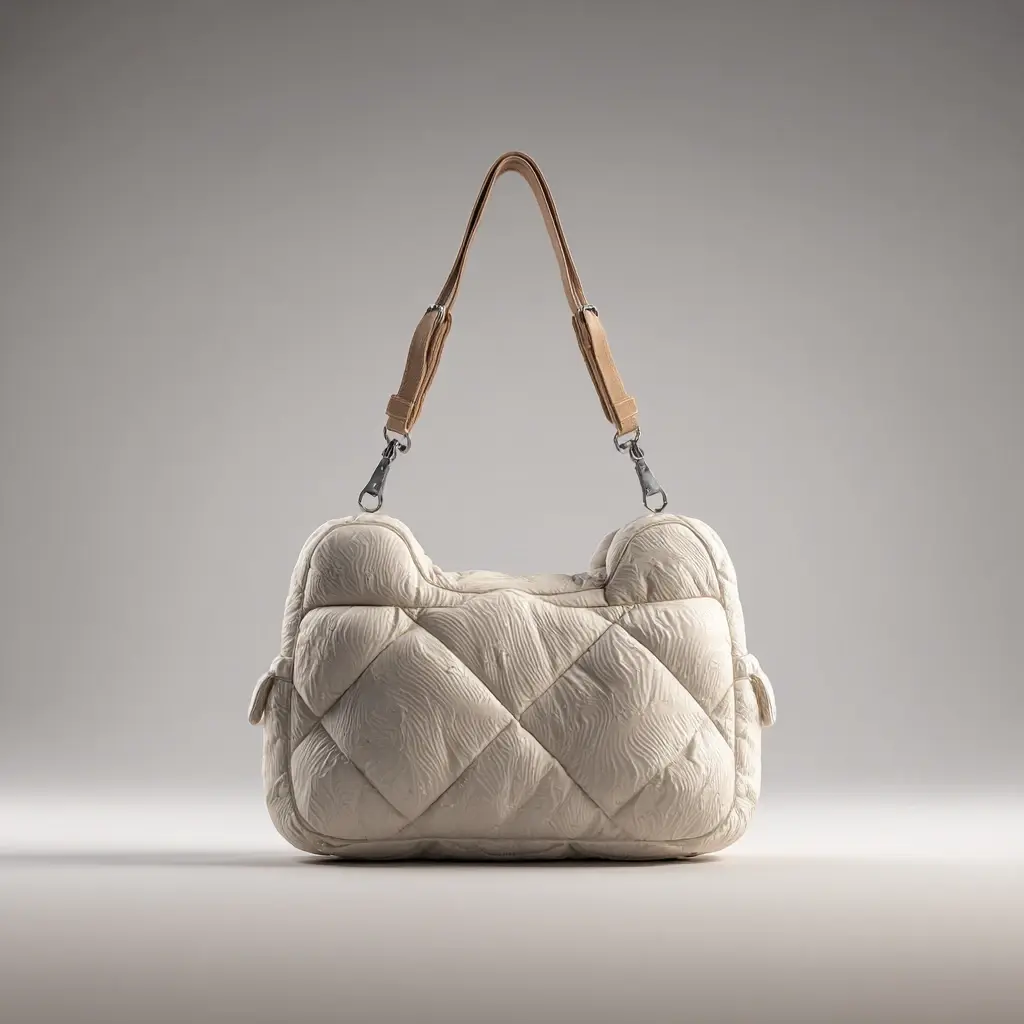
Branded shipping is not really about the outer at all; it is about the sequence. The outer sets an expectation, and the first thirty seconds of opening either confirms it or contradicts it. The three moves that carry that sequence are cheap and easy to specify, and none of them depend on how much the carton cost.
- A clean opening. A tear strip or a 48 mm tape seam that opens in one pull, rather than a knife fight that starts the experience with frustration.
- One deliberate layer. Tissue or a kraft wrap folded the same way on every unit, so the pack looks specified rather than assembled.
- The mark at eye level. The first thing visible when the lid lifts should be the dust bag or the bag itself, not a void-fill avalanche.
- A card that says something useful. Care wording or a repair note beats a generic thank-you, because it gets kept.
- Nothing to throw away twice. Every layer that exists only to be discarded is a layer the customer resents.
The Copenhagen label's second drop did all five and kept the outer to a single mark. The measurable result was the clip rate: roughly twice as many customers filmed the opening, which the label attributed to the pack rather than to the product. That is the honest way to read an unboxing metric — it is a leading indicator of word of mouth, not a sales number, and it should be judged over a season rather than a week.
Cost per Shipment at 500 and 2,000
The economics are closer than most founders expect, because freight partially offsets the unit price of a carton. A mailer is cheaper to buy and cheaper to ship; a carton is dearer on both counts but prevents the returns that dominate the cost line. The table below uses the 500 pcs and 2,000 pcs price points a handbag programme actually meets.
- Kraft mailer, unprinted. About USD 0.38 at 500 pcs and about USD 0.29 at 2,000 pcs.
- E-flute carton, one-colour flexo. About USD 0.92 at 500 pcs and about USD 0.61 at 2,000 pcs.
- Freight difference. A mailer saves roughly 14 percent of chargeable volume on a single-unit parcel, worth about USD 0.22 per shipment on a transatlantic lane.
- Return avoided. Roughly USD 31 per incident, so the carton pays for itself at a damage rate above about 1.8 percent.
That last figure is the decision rule in one line. Divide the cost premium per shipment by the cost of a return and you get the break-even damage rate. For the numbers above it sits near 1.8 percent, and most structured handbag programmes shipped in mailers run above it, which is why the carton wins more often than the price sheet suggests.
Rewriting the Spec After One Season
The first season of any shipping pack is a hypothesis and the second season is the specification. The Copenhagen label's rewriting exercise took an afternoon and produced four changes: the flute stayed at E-flute but the liner moved from 180 gsm to 200 gsm, the cavity gained 5 mm of height for the stuffing, the tape changed from a single centre seam to an H-pattern, and the outer print dropped from two colours to one.
What is worth copying from that list is the method rather than the specifics. Each change came from a counted failure rather than from a taste preference, and each one was validated on the next 500 units before it was written into the standing specification. Programmes that skip the second pass end up carrying a packaging decision made before any data existed, which is the most common reason a shipping pack stays wrong for years.
How a Shipping Pack Gets Signed Off
Sign-off is a short sequence and it runs in parallel with the bag, not after it. Sampling of a mailer or carton takes 6-10 working days alongside the handbag sample, and complex constructions with an inner fitment take 12-15 days. Bulk cartons are produced inside the standard 35-50 day production window, and the packed lot is inspected at AQL 2.5 under ISO 2859-1 with carton defects counted alongside bag defects.
- Transit test before artwork. Pass ISTA 3A with ten drops from 760 mm before committing to a print run.
- Packed sample on the real route. Ship five units on the actual lane and open them at the destination.
- Barcode and label check. Confirm the shipping label scans after the pack has been through the belt, not before.
- Claim documentation on file. FSC chain of custody for the board, REACH declarations for the inks, GRS where recycled content is stated.
Two external reference points are worth keeping in the file. The Accessories Council publishes packaging guidance that retail buyers increasingly quote back at brands, and Sourcing Journal has covered the shift toward plastic-free outer packs in accessories for two seasons running. Neither changes the engineering, but both change what a retail questionnaire will ask you to document, and it is cheaper to have the paperwork ready than to assemble it under a purchase-order deadline.
The component-by-component packaging costing prices both formats against a full pack, the inner wrap material comparison covers the layer that sits against the leather, and the transit test protocol before bulk sets out what to run before committing. The private label programme brief shows where the shipping pack sits in a first order.
Volumetric Weight: Why Pack Size Sets the Freight Bill
Carriers charge on whichever is greater, the actual weight or the volumetric weight, and on a handbag parcel the volumetric figure almost always wins. That makes pack dimensions a freight decision rather than a packaging one, and it is why a smaller cavity can cost less overall than a cheaper pack.
- The calculation. Length times width times height in centimetres divided by the carrier divisor, commonly 5,000, gives the chargeable weight in kilograms.
- A worked example. A 340 x 240 x 90 mm box cubes to about 0.0073 cubic metres, which at a 5,000 divisor bills near 1.5 kg against an actual packed weight nearer 0.9 kg.
- The saving. Cutting pack height by 20 mm on that box removes roughly 11 per cent of the chargeable weight across the whole drop.
- The caution. Do not cut height below the 15 mm clearance rule, because protection fails first and freight is rarely the largest cost line.
The Return Leg: Packing for the Parcel That Comes Back
Between 8 and 15 per cent of handbags bought online come back, and almost none of them are packed for that journey in the first place. A pack designed to be reopened and resealed costs cents, and it is the difference between a return that goes straight back into stock and one that has to be written down. Design the return leg at the same time as the outbound leg, because retrofitting a closure after a season of complaints costs more than specifying one.
- A second closure. A second tape strip or a peel-and-seal liner, so a customer is not hunting for tape.
- A return label inside the pack. A pre-printed label and a returns note, rather than an email exchange.
- Protection that survives opening. A dust bag a customer will actually put the bag back into.
- A stated condition requirement. One line on the insert: return in the dust bag with the tags attached.
Spec the shipping pack around the silhouette
Tell us the packed dimensions, the silhouette and the lane. A private label coordinator will specify flute, edge crush, cavity clearance and print, sample the pack in 6-10 working days, run a transit test and inspect the packed lot at AQL 2.5 under ISO 2859-1 before it ships FOB Xiamen. Get a quote.
Frequently Asked Questions
Should a structured handbag ship in a mailer or a box?
A box, almost always. A structured body carries a base board and a laminated gusset that resist point loads badly when there is no air gap, and a mailer transfers every external impact straight into the stiffest part of the product. A soft body that compresses and springs back is the case where a mailer is defensible.
What edge crush rating should a handbag shipping carton have?
About 32 kN/m for a structured tote or satchel, which corresponds to a single-wall E-flute carton with a 200 gsm liner. Below roughly 26 kN/m the bottom layer of a stacked master pack starts to bow, and that bow is what crushes the corner of the bag inside. B-flute at 40 kN/m suits hardware-heavy parcels above 1.5 kg.
How much clearance should there be around a handbag in its carton?
About 15 mm on every face. A 310 x 210 x 60 mm folded tote therefore needs roughly a 340 x 240 x 90 mm cavity. Tighter than that and the carton behaves like a tight mailer with extra steps; looser and the product moves inside and develops a different set of scuffs on the hardware.
How much more does a box cost than a mailer at 500 pieces?
About USD 0.38 for an unprinted kraft mailer against about USD 0.92 for a one-colour flexo E-flute carton at 500 pcs. At 2,000 pcs the gap narrows to roughly USD 0.29 against USD 0.61. A mailer saves about 14 percent of chargeable volume per parcel, which is worth roughly USD 0.22 on a transatlantic lane.
At what damage rate does a carton pay for itself?
At about 1.8 percent for the numbers in this article. Divide the per-shipment premium by the fully loaded cost of one return, which is about USD 31 once the label, the replacement unit and the support exchange are counted. Most structured handbag programmes shipped in mailers run above that threshold, which is why the carton wins more often than the price sheet implies.
Which print method should be used on a shipping carton?
One spot colour flexo at 500 pcs, where a plate costs roughly USD 45 to 90 and adds very little to the unit price. Move to four-colour litho on a white liner above about 2,000 pcs, where the setup spreads across enough units. A full-bleed dark print on unbleached kraft shows every belt scrape as a light scar.
Does the carton need a transit test before bulk?
Yes. ISTA 3A applies to parcels up to 70 kg moved through parcel delivery systems and uses ten drops from 760 mm plus a sequence of impacts and vibrations. Run it before artwork is committed, because a structural change after the plate is cut costs the plate and the schedule.
How long does sampling a custom mailer or box take?
6-10 working days alongside the handbag sample for a standard construction. Complex constructions with an inner fitment, a window or a bespoke closure take 12-15 working days. Bulk cartons are produced inside the standard 35-50 day production window and are inspected with the bag rather than separately.
Which compliance documents cover a printed shipping carton?
Inks and coatings are declared against REACH Annex XVII for the European market, California Proposition 65 is considered for the United States, and CPSIA applies where a product is marketed to children. FSC chain-of-custody documentation covers certified board and GRS covers any recycled content claim stated on the pack.
How is the shipping pack inspected before shipment?
Carton defects are counted inside the same sampling plan as the handbag, at AQL 2.5 under ISO 2859-1. A crushed corner, a failed seam or an unreadable barcode counts as a defect against the lot rather than as a tolerated variation, and the same plan applies to the packed master carton.
Can a programme use both a mailer and a box?
Yes, and it is common. A soft hobo or a foldable flat-packed style ships in a mailer, while a structured satchel from the same collection ships in a carton. Standardise the brand mark and the inner wrap across both so the pack still reads as one range, and let the silhouette decide the format.
People Also Ask
What is the cheapest way to brand a shipping parcel?
One spot colour flexo on unbleached kraft. The plate is cheap, the unit cost barely moves, and a single mark on a clear panel hides handling damage better than an expensive full-bleed print.
Is a box always better than a mailer?
No. For soft bodies and flat-packed products a mailer is cheaper, lighter and perfectly protective. The box only wins where the product itself is rigid and cannot absorb the impact.
How do I know my packaging is failing?
Count returns by failure type over one full drop. If structural damage such as crushed corners dominates, the cavity is wrong; if scuffs dominate, the inner wrap is wrong.
Should the shipping box be printed on the inside?
Often yes. Interior flaps and the lid are protected from belt abrasion, so print survives there, and it is discovered rather than announced, which reads as more considered.
Sources and further reading
Every figure on this page is either our own programme data or attributed below. Open the originals before you write them into a specification.
- Incoterms rulesICC The rules that decide where cost, risk and insurance transfer.
- FashionUnited — fashion industry news and dataFashionUnited Industry news and company data for the fashion sector.
- REACH — chemical substances regulationEuropean Commission Annex XVII restricts the substances that may appear in finished leather and coatings.