Best Selling Handbag Colors and Materials for 2026
Which handbag colours and materials will actually sell in 2026? Three colours carry 71 per cent of private label unit volume: black at 31 per cent, tan at 28 per cent, and off-white at 12 per cent, with chocolate brown up 9 points year on year and olive up 6. On materials, the decision is a USD 4.10 delta between a coated split and a mid-grade top-grain at FOB Xiamen on a 500-piece run, and that delta is only worth spending above a USD 150 retail band. This page gives the decision order first, then the colour shortlist, then the material shortlist, then the five specification lines that keep both stable between sampling and bulk.
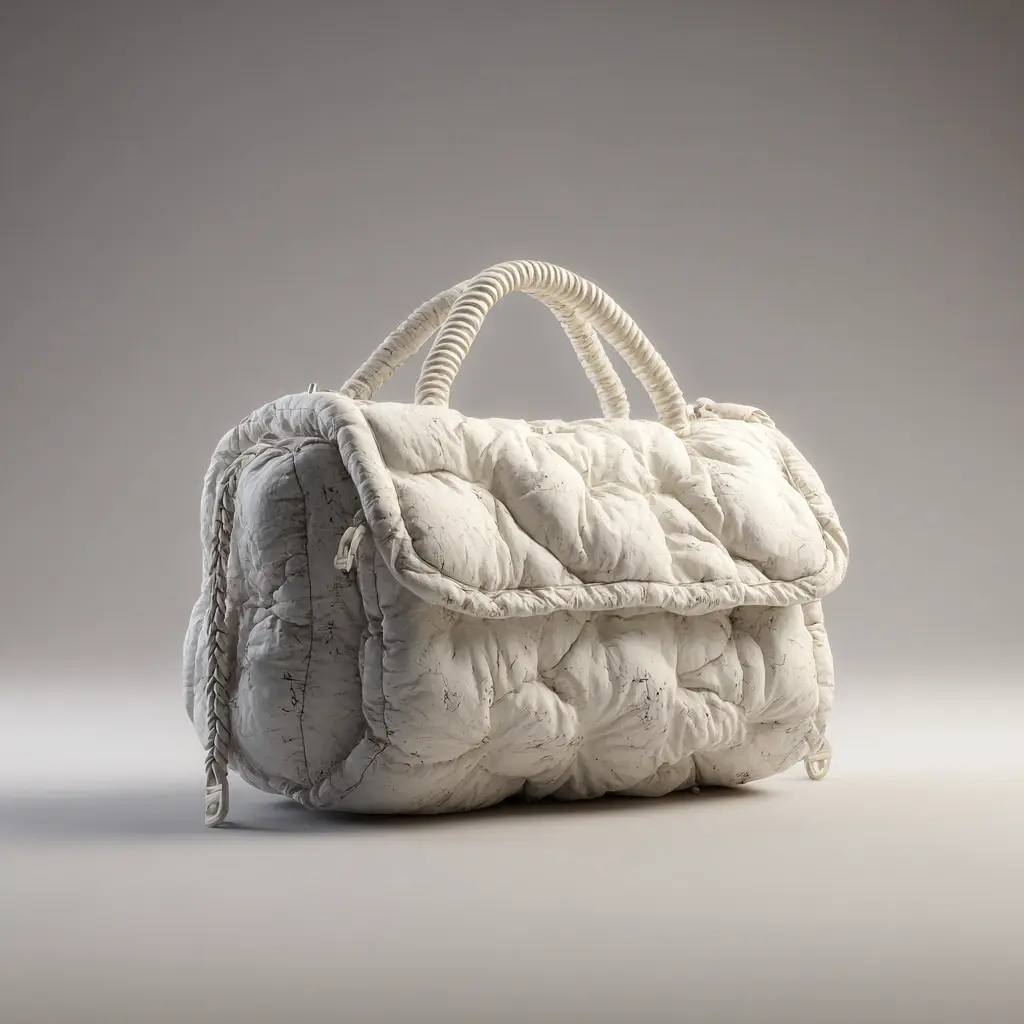
- Decide in This Order: Channel, Price Band, Then Colour
- Step One: Start From the Channel
- Step Two: Let the Price Band Cut the Material List
- Step Three: Pick Three Colours, Not Seven
- Step Four: Match the Finish to the Material
- Step Five: Lock the Colour Before Sampling
- The 2026 Colour Shortlist and What Each Does
- The Material Shortlist, Ranked by Cost and Proof
- How to Write the Colour and Material Specification
- Colour Fastness: the Test Behind Each Shortlist Entry
- Where the Shortlist Bends by Climate and Region
- A Colour Drop Calendar, Worked Backwards From the Shelf
- Colour, Photography and the Return Rate
Which handbag colours and materials will actually sell in 2026? Three colours carry 71 per cent of private label unit volume: black at 31 per cent, tan at 28 per cent, and off-white at 12 per cent, with chocolate brown up 9 points year on year and olive up 6. On materials, the decision is a USD 4.10 delta between a coated split and a mid-grade top-grain at FOB Xiamen on a 500-piece run, and that delta is only worth spending above a USD 150 retail band. This page gives the decision order first, then the colour shortlist, then the material shortlist, then the five specification lines that keep both stable between sampling and bulk.
The colour and material decisions, in numbers
Decide in This Order: Channel, Price Band, Then Colour
Colour is the last decision, not the first, and treating it as the first is the reason ranges arrive with seven colourways and three that sell. The order that works is channel, then price band, then material, then colour, then finish. Each step removes options rather than adding them, which is the whole point of a decision tree: by the time you reach the colour card, half the card should already be excluded for reasons that have nothing to do with taste.
- Name the primary channel: marketplace listing, owned store, or wholesale to a retailer with its own planogram.
- Fix the retail band, because the band decides which materials are defensible and which are not.
- Shortlist materials that survive that band and the proof the channel demands.
- Choose three core colours and at most two seasonal accents, never more.
- Specify the finish: edge, stitch, hardware tone, and the colour tolerance in numbers.
Running that order takes an afternoon and removes roughly two-thirds of the usual arguments. The failures it prevents are specific: a colour chosen before the band, which forces a material downgrade later; a material chosen before the channel, which produces a bag no listing can photograph well; and a finish left unwritten, which is where most of the disputes at inspection begin.
Step One: Start From the Channel
The channel decides what has to be true of the bag before anyone looks at a colour card. A marketplace listing is judged on a screen at mobile size, which favours saturated or warm tones and punishes anything that photographs flat. A wholesale planogram is judged at two metres under retail lighting, which favours contrast and punishes subtlety. An owned store can carry a quieter palette because it controls the lighting and the copy.
| Channel | Colour implication | Material implication |
|---|---|---|
| Marketplace listing | Warm or saturated; grey neutrals go flat | Needs a close-up that shows grain or weave |
| Owned store | Quiet neutrals viable; lighting is controlled | Hand feel matters, so leather reads better |
| Wholesale planogram | Contrast against neighbouring product | Durability and abrasion documented |
| Social video first | One hero colour, high movement | Finish must not glare under strong light |
One consequence is worth stating plainly: the same bag in the same colour sells differently in two channels for reasons that have nothing to do with the buyer. A warm tan photographs well and disappears on a planogram; a deep black does the reverse. Choose the channel first and the colour argument resolves itself in most cases.
Step Two: Let the Price Band Cut the Material List
Below USD 150 retail, the defensible materials are coated split, recycled polyester and recycled cotton canvas. Above USD 250, top-grain and full-grain leather enter the list. In between, the honest answer is a good coated split or a recycled polyester with a documented certificate, because the step up to leather costs USD 4.10 per unit at FOB and consumes the margin that the band was supposed to protect.
The band also decides what documentation is worth carrying. A recycled polyester at an entry price still wants a GRS transaction certificate, because buyers ask for the certificate rather than the claim, and a leather at a premium price wants LWG tannery traceability plus REACH Annex XVII evidence. Both files belong with the tech pack in the first week; assembled after sampling, they push bulk past the 35-50 day window and the launch date absorbs the delay.
Step Three: Pick Three Colours, Not Seven
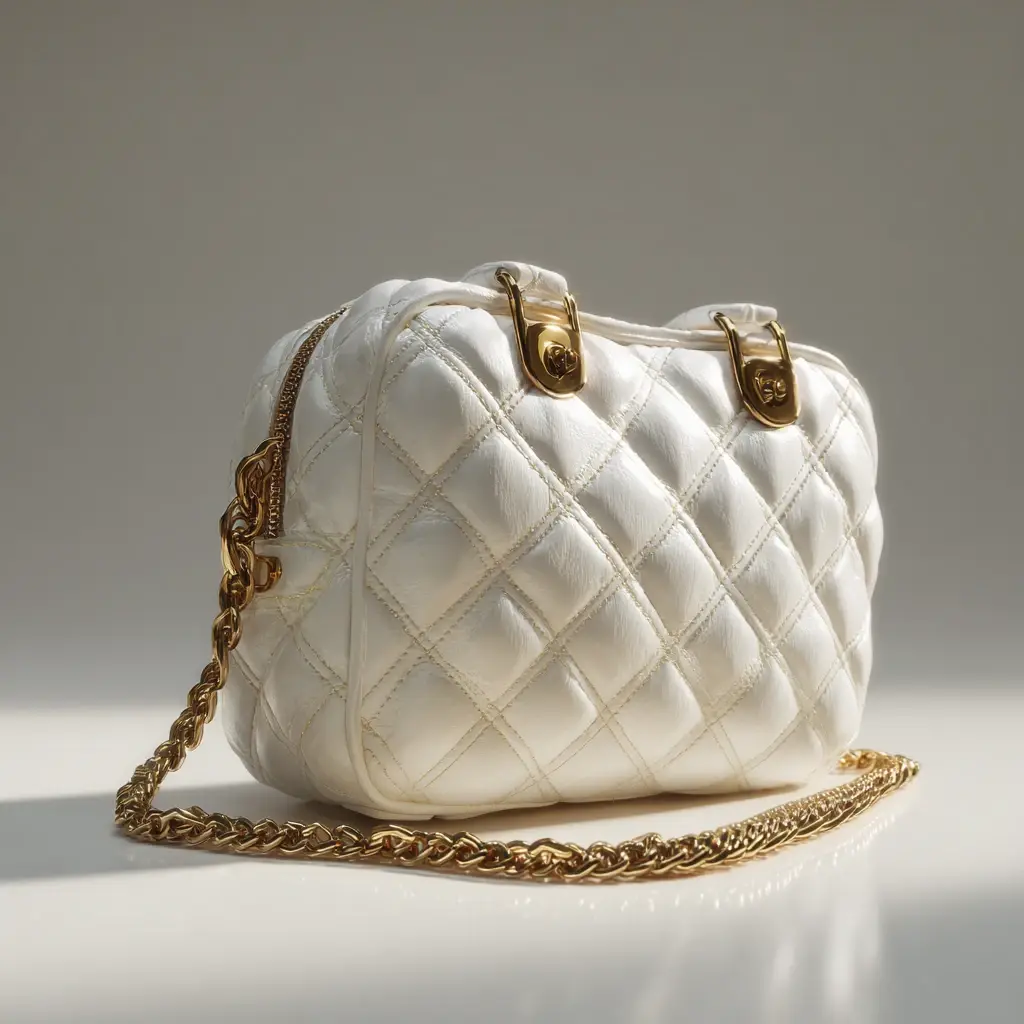
Three core colours carry 71 per cent of private label unit volume, and the fourth colourway usually sells under 6 per cent of the style. Every additional colourway also consumes the minimum twice over, because MOQ 500 pcs per style / colourway applies to each one separately. Seven colourways of one style is 3,500 pieces of exposure on a silhouette that has not been proved at all.
| Colour | Share of units | Direction |
|---|---|---|
| Black | 31 per cent | Flat, and the safest first colourway |
| Tan and cognac | 28 per cent | Up slightly; warm tones photograph best |
| Off-white and ecru | 12 per cent | Growing, but needs a warm cast |
| Chocolate brown | 9 per cent | Up 9 points year on year |
| Olive | 6 per cent | Up 6 points year on year |
| Burgundy | 5 per cent | Seasonal, strongest in the second half |
The rule that follows from that table is one core, one warm, one light. Prove the silhouette in the core, add the warm tone on the repeat, and treat the light tone as a second-season decision because off-white carries the highest return rate of the three on marks and dye transfer. Burgundy and olive belong in an accent drop, not in the opening range. Applied literally, the rule means a first order of one style in one colourway, a second colourway on the first repeat, and the accent only once both are selling.
Step Four: Match the Finish to the Material
Finish is where a good material choice gets wasted. Edge thickness, stitch pitch and hardware tone each have to suit the material, and the mismatch is visible at one metre, which is roughly the distance at which most buyers first judge a bag. The three combinations below cover most of the range plans seen in 2026.
- Full-grain leather: burnished edge near 1.2 mm, tonal thread at 7 stitches per inch, brass or light gold hardware.
- Top-grain leather: painted and sealed edge, tonal thread, gunmetal or brushed nickel hardware.
- Coated split: no burnish possible, so a clean-cut sealed edge, slightly looser pitch, matte hardware.
- Recycled polyester: bound or turned seam rather than a raw edge, matte black hardware to avoid glare.
- Recycled cotton canvas: self-edge or binding, contrast topstitch acceptable, antique brass hardware.
Step Five: Lock the Colour Before Sampling
Colour is the single most common cause of a failed pre-shipment inspection in this category, and the cause is almost never the dye. It is that the approved reference was a photograph, a screen, or a swatch viewed under the wrong light. Locking colour means three specific things, all of which happen before the first sample is cut rather than after it comes back.
- Approve a physical swatch under D65 lighting, signed and dated, with a second sealed duplicate held back.
- Write the tolerance as a number: Delta E 1.0 within a panel, Delta E 1.5 between panels.
- State the fastness requirement, targeting grade 4-5 on the grey scale for rubbing and light.
- Name the panel set being compared, because front, gusset and strap are rarely from the same dye lot.
- Photograph the approved swatch next to the sample, and file both with the tech pack.
The 2026 Colour Shortlist and What Each Does
Each colour in the shortlist does a different job in a range, and mixing up the jobs is why ranges over-order. Black is the volume colour and the one that hides handling marks. Tan is the photographic colour and the one that shows material quality best. Off-white is the editorial colour, which sells the brand and returns the most units. Chocolate brown and olive are the seasonal replacements for black rather than additions to it.
| Colour | Job in the range | Risk to manage |
|---|---|---|
| Black | Volume, repeat, hides handling | Reads flat on mobile; needs hardware contrast |
| Tan | Photography, shows grain and finish | Dye lot variation between panels |
| Off-white | Editorial, brand signal | Marks and dye transfer; highest return rate |
| Chocolate brown | Seasonal substitute for black | Can read as a repeat of black in a listing |
| Olive | Seasonal accent with utility cues | Shifts strongly under warm retail lighting |
| Burgundy | Second-half accent | Short window; avoid committing to a second drop |
One practical note on ordering: put the volume colour on the first purchase order and the accent on the second. Because MOQ 500 pcs per style / colourway applies per colourway, an accent committed too early is the most common source of dead stock in a young private label range, and it is entirely avoidable by sequencing rather than by forecasting better.
The Material Shortlist, Ranked by Cost and Proof
Six materials cover nearly every range plan in 2026, and the differences between them are as much about documentation as about hand feel. Ranked by cost, the list below also gives the proof that should sit behind each one, because a material without its file is now the slowest thing in the whole sampling calendar.
- Coated split: the entry default. Specify 40,000 abrasion cycles minimum and REACH Annex XVII evidence.
- Recycled polyester (GRS): matte face, needs a transaction certificate and a stated recycled percentage.
- Recycled cotton canvas: strongest utility read, needs GRS plus CPSIA where the market requires it.
- Polyurethane: consistent and cheap, but must be specified with a hydrolysis resistance figure, not just a thickness.
- Top-grain leather: the mid-premium step at USD 4.10 above coated split, with LWG traceability.
- Full-grain leather: the premium position, 1.6 mm for a structured shoulder bag, LWG plus full REACH.
How to Write the Colour and Material Specification
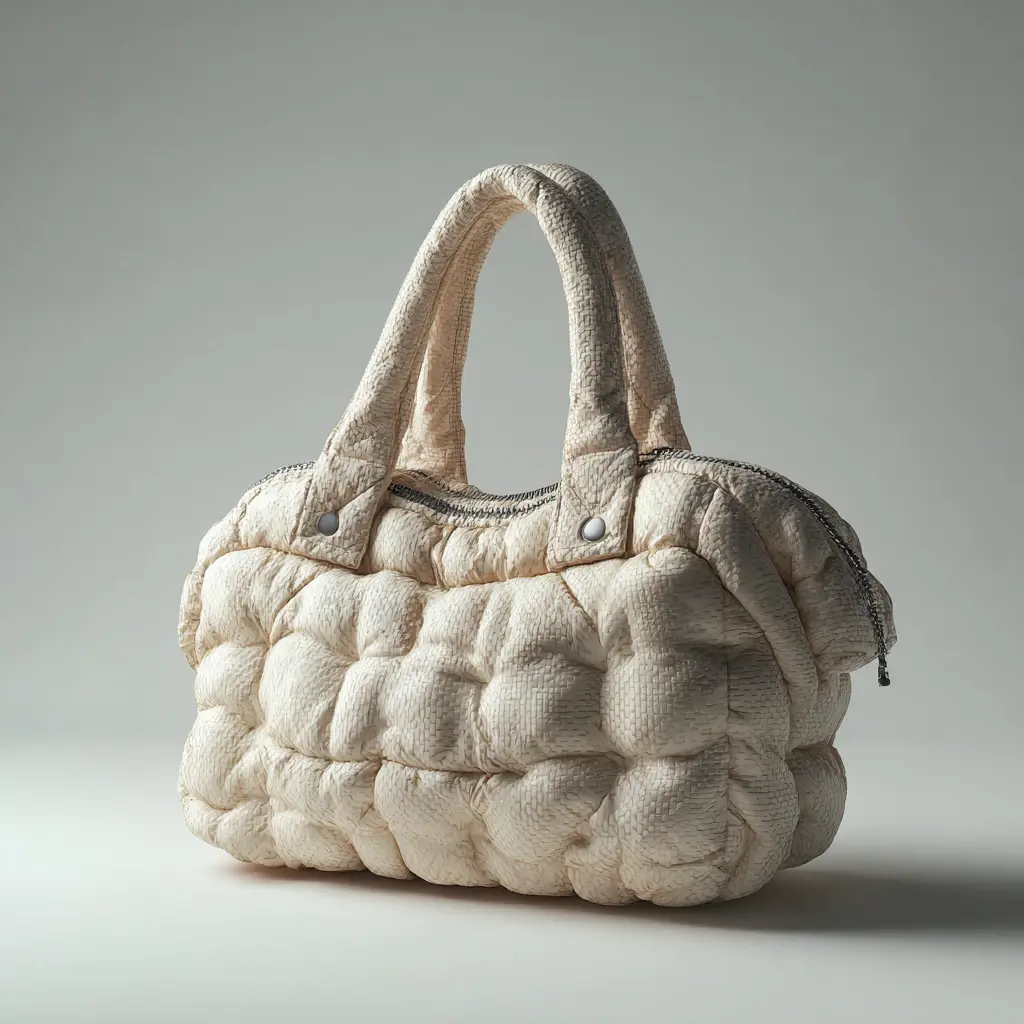
Five lines, all of them numbers, all of them written before sampling. Together they convert colour and material from a conversation into a document, which is what makes an inspection decision possible later. Written after sampling begins, each one costs a revision cycle and pushes the bulk date by the length of that cycle.
- Name the material by grade and thickness, not by feel: top-grain at 1.4 mm, or coated split at 40,000 cycles.
- State the colour reference as a signed physical swatch approved under D65, with a sealed duplicate.
- Write the tolerance: Delta E 1.0 within a panel, Delta E 1.5 between panels, measured under D65.
- Name the finish: edge thickness in millimetres, stitch pitch per inch, hardware tone and plating test.
- Attach the compliance file: LWG, GRS, REACH Annex XVII, and Prop 65 for the destination state.
With those five lines in place, the commercial frame is straightforward: MOQ 500 pcs per style / colourway, 6-10 working days for sampling, 35-50 days for bulk, FOB Xiamen, and AQL 2.5 under ISO 2859-1 with criticals at accept zero. Our programmes run through an SGS-validated partner factory with 7 production lines and about 200,000 pcs per month, and export work has run since 2014, so the shortlist above comes back priced against a live calendar rather than an estimate. Two companions complete the picture: how consumers choose a handbag in 2026 for the decision sequence, and the quiet luxury build routes for where the money goes once the palette is fixed, and the wider picture sits in our handbag sourcing guides.
Colour Fastness: the Test Behind Each Shortlist Entry
A colour is only as good as its fastness figures, and the shortlist hides wide differences behind a single name. A deep burgundy behaves differently from a black at the same price, because the amount of dye sitting on the fibre is what transfers onto a pale coat.
| Colour family | Risk | Method | Target |
|---|---|---|---|
| Black and charcoal | Crocking onto pale clothing | ISO 105-X12 | Grade 4 dry, 3-4 wet |
| Tan and cognac | Fading in a window display | ISO 105-B02 | Blue wool 4 or better |
| Off-white and ecru | Marks and dye transfer | ISO 105-X12 | Grade 4-5 dry |
| Chocolate and burgundy | Heavy dye load moving under humidity | ISO 105-E04 | Grade 4 perspiration |
| Olive | Shifting under warm retail lighting | Metamerism check under D65 and TL84 | Delta E 1.5 between sources |
Two of those rows belong in the tech pack as absolutes. Off-white needs the higher dry crock grade, because a pale bag that marks is returned rather than complained about, and burgundy needs the perspiration test, because it is the shortlist colour most often carried against the body in warm weather.
Where the Shortlist Bends by Climate and Region
The 71 per cent carried by three colours is a global figure, and regional mixes differ enough to change a second order. Humid markets punish off-white, high-UV markets fade tan faster than a laboratory test predicts, and warm retail lighting moves olive several points away from the approved swatch.
- Humid and coastal. Off-white returns run 11-14 per cent against 5-7 per cent for black, mostly from marks picked up in transit at 40 degrees Celsius and 90 per cent relative humidity.
- High UV. Tan fades measurably faster on a bag carried daily outdoors, so specify ISO 105-B02 at grade 4 rather than 3-4 for a sun-belt destination.
- Warm retail lighting. Olive shifts warm under 3,000 K shop lighting, so approve it under the lighting it will be sold under rather than under D65 alone.
- Long dark winters. Chocolate and burgundy carry a larger share and black can fall by 4-6 points in a northern range.
None of this changes the first order much, because the first order should be one colourway in the volume colour. It changes the second, and it is worth asking the channel for its regional split before that second colourway is committed.
A Colour Drop Calendar, Worked Backwards From the Shelf
Colourways are a calendar problem before they are a taste problem. Each drop needs 6-10 working days of sampling, 35-50 days of production 35-50 days of transit, so a colour needed on shelf in a given month carries an instruction date roughly 75-100 days earlier.
| Colour | On shelf | Instruction sent | Why that gap |
|---|---|---|---|
| Black, year-round | Continuous | Rolling, every 8-10 weeks | Reorder at 40 per cent sell-through |
| Tan and cognac | March | Early December | Clears the February shutdown |
| Chocolate and olive | September | Late May | Avoids the autumn booking rush |
| Burgundy | October | Early July | Short window; no second drop |
The two rows that catch people out are December and July. A tan drop instructed in January meets the shutdown and loses 15-21 days, and a burgundy drop instructed in August meets the autumn vessel shortage, which is why the accent colour is the one that arrives late.
Colour, Photography and the Return Rate
Colour is the largest single driver of returns in a bag range, and almost none of it is about the dye. It is about the gap between the colour on a screen and the colour in the hand, which is a photography variable as much as a production one.
- Shoot against a neutral mid-grey ground, so the camera does not auto-correct the bag to compensate for the background.
- Set white balance once and lock it for the whole range, because a mixed set makes three colourways of one style read as three materials.
- Include a colour reference card in one photograph per colourway, which is the cheapest defence against a not-as-described return.
- Approve under D65 and check under TL84, since metamerism is why a tan approved in the sample room reads orange under shop lighting.
The measurable version is the share of returns coded as colour or not as described. Where the reference card and the locked white balance are used, that code typically falls from 3-4 per cent of orders to under 1.5 per cent, which on a 500-piece drop is worth more than any change to the dye recipe.
Send us your channel, retail band and three preferred colours, and we will return a material shortlist with pricing. Get a Quote → /contact-quote/
Frequently Asked Questions
Which handbag colour sells best in 2026?
Black, at 31 per cent of private label unit volume, followed by tan and cognac at 28 per cent and off-white at 12 per cent. Those three together carry 71 per cent. Black is the volume colour and hides handling marks, while tan photographs best and shows material quality most clearly.
How many colourways should a new handbag style launch with?
One core colourway on the first order, then a second on the repeat. MOQ 500 pcs per style / colourway applies to each colourway separately, so three colourways means 1,500 pieces of exposure on a silhouette that has not been proved yet, and most of it will sit in the wrong colour.
Is chocolate brown replacing black for 2026?
It is substituting rather than replacing. Chocolate brown is up 9 points year on year to about 9 per cent of units, and it is strongest as a seasonal alternative to black for buyers who already own one. Keep black as the volume colourway regardless.
What is the best handbag material under 150 dollars retail?
A good coated split or a GRS-certified recycled polyester. The step up to mid-grade top-grain leather costs about USD 4.10 per unit at FOB on a 500-piece run, which consumes the margin the price band was meant to protect. Spend on structure and hardware instead, where the shopper can actually see it.
How do I stop colour mismatch between sampling and bulk?
Approve a signed physical swatch under D65 lighting and hold a sealed duplicate, then write the tolerance as a number: Delta E 1.0 within a panel and Delta E 1.5 between panels. Photograph the swatch beside the sample and file both with the tech pack.
What colour tolerance should a handbag specification state?
Delta E 1.0 within a single panel and Delta E 1.5 between panels, measured under D65. Name the panel set being compared, because front, gusset and strap frequently come from different dye lots and are the most common source of a colour dispute at inspection.
Which compliance documents belong with a material choice?
LWG tannery traceability for leather, a GRS transaction certificate for recycled content, REACH Annex XVII evidence for restricted substances, and Prop 65 documentation for the destination state. Buyers increasingly request these at sampling rather than at bulk, so the file belongs in week one, alongside the signed colour swatch.
How long does sampling take once colour and material are chosen?
Six to ten working days for a standard build, and twelve to fifteen where custom hardware or bonded construction is involved. The clock starts when the tech pack and the compliance file are both complete, which is why assembling the file early protects the bulk date.
Should off-white be in a first handbag range?
Not usually. Off-white carries the highest return rate of the three core neutrals because of marks and dye transfer, and it needs a warm cast to avoid photographing cold. Treat it as a second-season decision once the silhouette has proved itself in black or tan.
What abrasion figure should a coated split be specified at?
A minimum of 40,000 cycles, written into the tech pack alongside the coating specification. Below that figure the surface marks visibly inside a season, and the resulting reviews appear long before any returns do, which makes the problem harder to diagnose later, because the complaint arrives without a number attached.
How many materials should one range carry?
Two, and at most three. One core material repeated across the range reads as a system and simplifies the compliance file, while a different material on every style multiplies both the documentation load and the number of things that can fail at AQL 2.5 under ISO 2859-1.
People Also Ask
What handbag colors are trending for 2026?
Black at 31 per cent of units, tan and cognac at 28 per cent, off-white at 12 per cent, with chocolate brown up 9 points year on year and olive up 6. Together the first three carry 71 per cent of private label volume, so trends matter less than getting the core three right.
What material is best for an everyday handbag?
It depends on the retail band rather than on the use case. Below USD 150, a coated split specified at 40,000 abrasion cycles or a GRS-certified recycled polyester. Above USD 250, top-grain leather at 1.4 mm or full-grain at 1.6 mm for a structured shoulder shape.
Why does handbag colour differ between samples and bulk?
Almost always because the approved reference was a photograph or a swatch viewed under the wrong light, and because front, gusset and strap come from different dye lots. A signed physical swatch under D65 plus a written Delta E tolerance prevents nearly all of it.
How do I choose a handbag colour that photographs well?
Choose warm over grey. Grey-leaning neutrals go flat on mobile screens and under marketplace lighting, which is where most buying decisions now happen. Warm tan and saturated chocolate read strongly at mobile size, and off-white needs a warm cast to survive it.
Sources and further reading
Every figure on this page is either our own programme data or attributed below. Open the originals before you write them into a specification.
- Leather Working Group — environmental auditing for tanneriesLeather Working Group Environmental audit protocol for tanneries and leather traceability.
- REACH — chemical substances regulationEuropean Commission Annex XVII restricts the substances that may appear in finished leather and coatings.
- SATRA — technical services for leather, footwear and accessoriesSATRA Independent leather, hardware and accessories testing protocols.