Backpack Bags: Merging Style and Function for Brands
Three backpack builds dominate private label programmes in 2026: a soft fashion body at about 14 litres and 720 grams, a structured work body at 18 litres and 980 grams with a padded laptop sleeve, and a hybrid convertible at 16 litres and 850 grams. Compared across six rounds, the structured build costs USD 21.80 FOB Xiamen against USD 15.40 for the soft body, and the right choice is decided by sales channel rather than by taste. All three run at 500 pcs per style and colourway, sampling 6-10 working days, bulk 35-50 days.
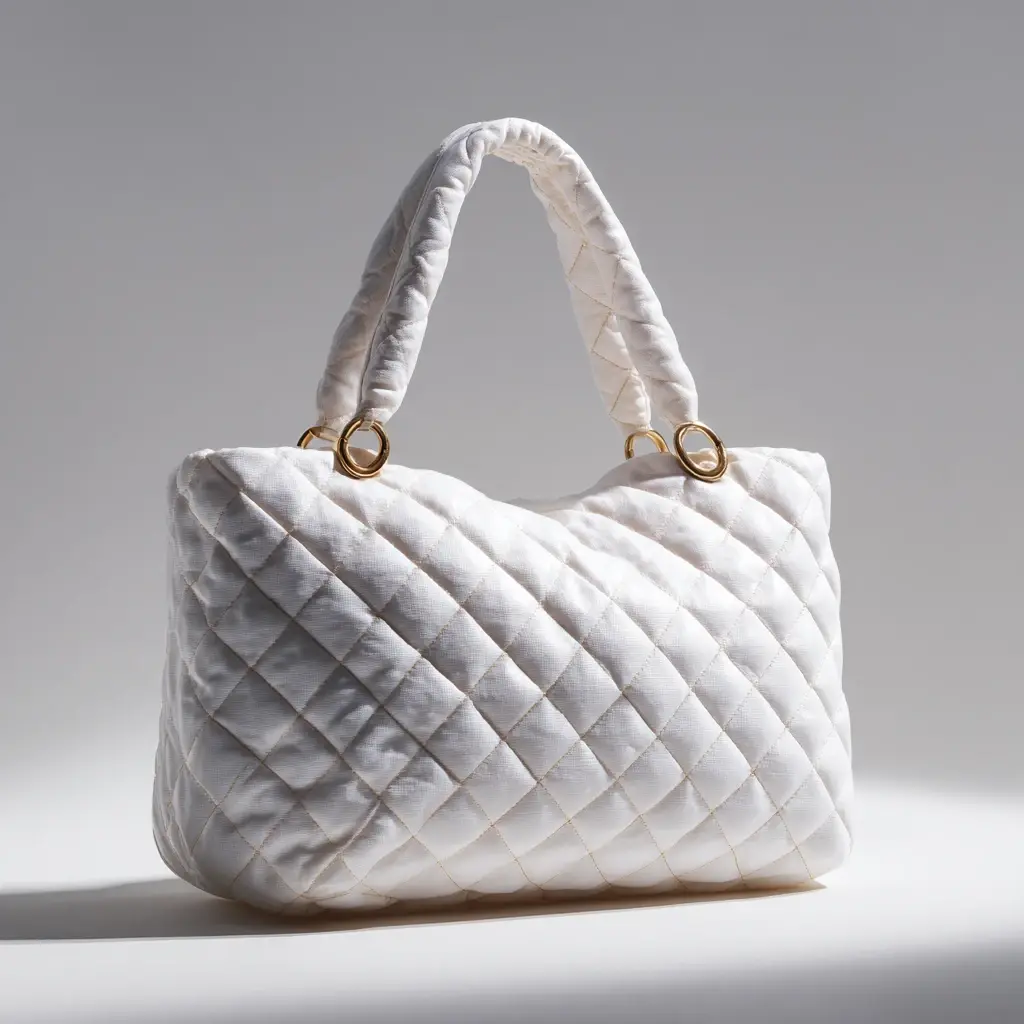
- Three ways to build the same backpack
- Round one: panel count and what it costs
- Round two: closure and access under load
- Round three: the laptop question
- Round four: strap system and load comfort
- Round five: weight against perceived value
- Round six: photography and listing behaviour
- Reading the matrix: which build for which channel
- What changes at 500 pieces per colourway
- The Load Test a Backpack Should Pass Before Sign-Off
- Cube, Weight and Freight: What a Backpack Costs to Move
Three backpack builds dominate private label programmes in 2026: a soft fashion body at about 14 litres and 720 grams, a structured work body at 18 litres and 980 grams with a padded laptop sleeve, and a hybrid convertible at 16 litres and 850 grams. Compared across six rounds, the structured build costs USD 21.80 FOB Xiamen against USD 15.40 for the soft body, and the right choice is decided by sales channel rather than by taste. All three run at 500 pcs per style and colourway, sampling 6-10 working days, bulk 35-50 days.
The three builds at a glance
Three ways to build the same backpack
The word backpack covers three products that share almost nothing except two straps. There is the soft fashion body, which is a handbag that happens to be worn on both shoulders and sells on looks. There is the structured work body, which is a carrying device that has to protect a laptop and survives on specification. And there is the hybrid, which tries to do both and is the most frequently requested and the most frequently over-specified of the three.
Treating them as variants of one product is where programmes go wrong. The three builds differ in panel count, in leather substance, in hardware load, in carton efficiency and in the kind of photography that sells them, and each of those differences shows up as a line on the quotation. The six rounds below compare them item by item; the recommendation at the end is deliberately conditional, because there is no universal winner.
Round one: panel count and what it costs
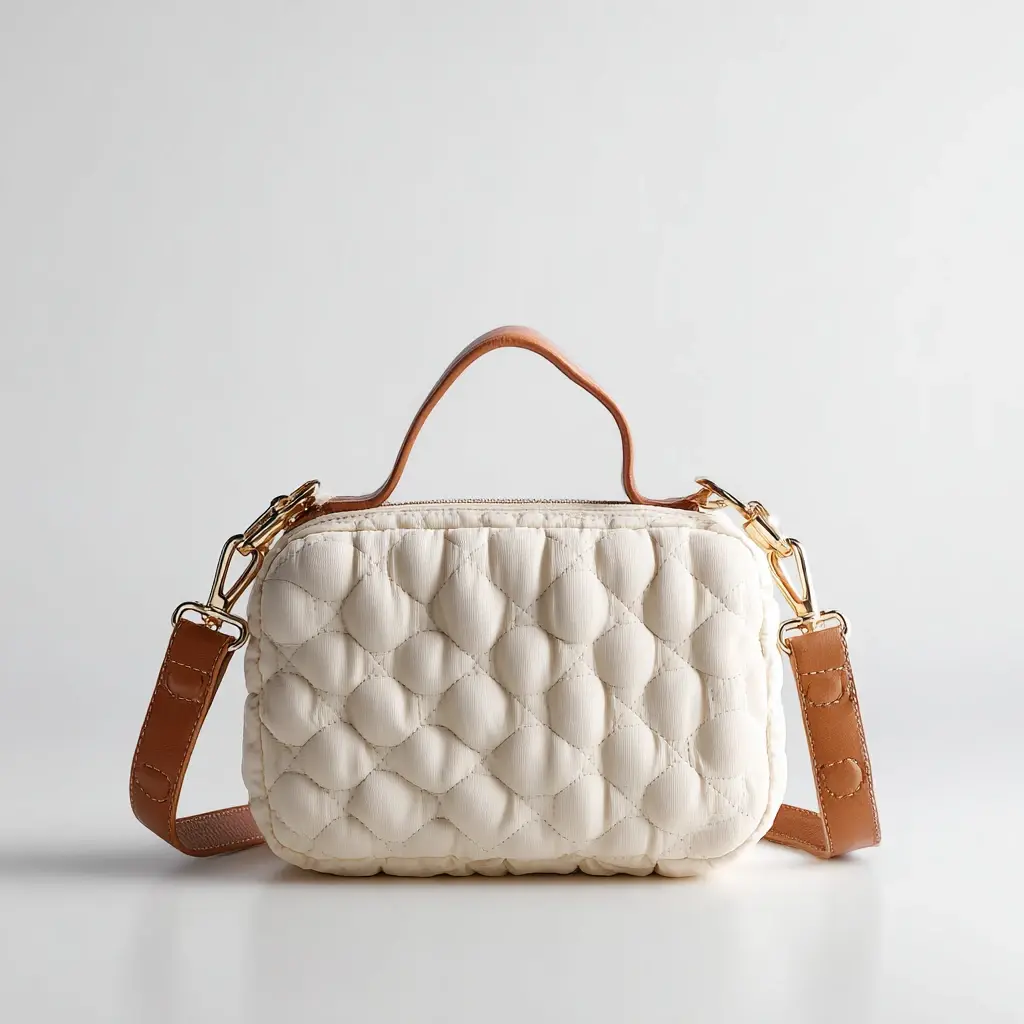
Panel count is the single best predictor of unit cost on a backpack, because it drives cutting time, closing time and yield in the same direction. The soft body is four panels and one base. The hybrid is eight panels. The structured body is eleven panels plus a fibreboard skeleton, and it is roughly 40 percent more expensive before a single piece of hardware is added.
| Build | Panels | Substance | Unit cost (USD) |
|---|---|---|---|
| Soft fashion | 4 + base | 1.0 mm full-grain | 15.40 |
| Hybrid convertible | 8 + base | 1.2 mm full-grain | 18.60 |
| Structured work | 11 + skeleton | 1.4 mm with 1.5 mm board | 21.80 |
The counter-intuitive part is yield. A structured backpack with many small panels can actually waste less leather than a soft one with two large curved pieces, because small rectangular panels nest efficiently on a hide while large curved ones do not. Programmes that assume more panels always means more waste routinely misjudge this by several percent, which is real money at 500 pieces and serious money at 5,000.
Round two: closure and access under load
A backpack is opened while it is being worn, or immediately after it is set down, and usually with one hand while the other is holding something. That is a harsher test than any other category in the range, and it eliminates several closures that look excellent on a specification sheet. A turn lock is charming on a handbag and unusable on a backpack.
- Soft body: drawstring under a flap with a magnetic tab. Opens one-handed, costs about 0.60 USD, and the flap sheds rain.
- Hybrid: number 8 coil zipper across the top with a 12 mm pull. Costs about 1.10 USD and takes 5,000 cycles in testing.
- Structured: full-length number 8 zipper opening to 180 degrees, with a storm flap over it. Costs about 2.20 USD and is the only one that lets a laptop slide out flat.
The structured build wins this round decisively, and it wins because of the laptop rather than because of the closure. A top-opening zipper on an 18-litre body that only opens 60 degrees means the wearer fishes for a laptop at an angle, which is how laptop corners get damaged and how returns get filed. The 180-degree opening costs 1.10 USD more than a hybrid top zipper and it is the best money in the whole build.
Round three: the laptop question
Decide early whether the bag carries a laptop, because it changes the base, the back panel and the strap system, and retrofitting it after sampling is not possible. The clear internal dimension that matters is 33 x 24 cm for a 14-inch device, with 5 mm of EPE foam on both faces and a raised base so the corner never touches the floor when the bag is set down.
- Confirm the largest device in the target market, then add 8 mm of clearance in both directions.
- Specify 5 mm EPE foam on both faces of the sleeve, not on one, because single-sided foam protects against scratches and nothing else.
- Raise the sleeve base 20 mm above the bottom seam so the device never takes the impact when the bag is dropped.
- Add a 30 mm webbing strap across the top of the sleeve so the device cannot slide out when the bag is opened.
The soft fashion body cannot do any of this without losing the slouch that sells it, which is the honest reason it is not a work bag. The hybrid can take a slim sleeve for a tablet but not a full laptop sleeve with foam, and attempts to force one produce a bag that looks bulky and protects poorly. Only the structured build genuinely answers the question, and it answers it at a cost of about 2.60 USD per unit.
Round four: strap system and load comfort
Straps are where a fashion backpack is most often exposed. A 20 mm leather strap looks elegant and digs into the shoulder once the bag holds three kilograms. The workable specification is 40 mm wide with 8 mm of closed-cell foam, an S-curve cut so it sits around the shoulder rather than on top of it, and a load test at 4,000 grams per attachment point.
| Build | Strap width | Foam | Pull test |
|---|---|---|---|
| Soft fashion | 20 mm leather | None | 2,500 g |
| Hybrid | 32 mm leather over 5 mm foam | 5 mm | 3,200 g |
| Structured work | 40 mm leather over 8 mm foam | 8 mm | 4,000 g |
There is a second strap decision that most briefs omit: the top grab handle. On a 980-gram structured body a handle is necessary, because there is no other way to lift the bag off a hook or out of a locker, and it needs a 4 mm steel insert inside the leather core or it stretches permanently. On a 720-gram soft body the handle is decorative and can be a simple folded tab, which is 0.35 USD cheaper and looks better.
Round five: weight against perceived value
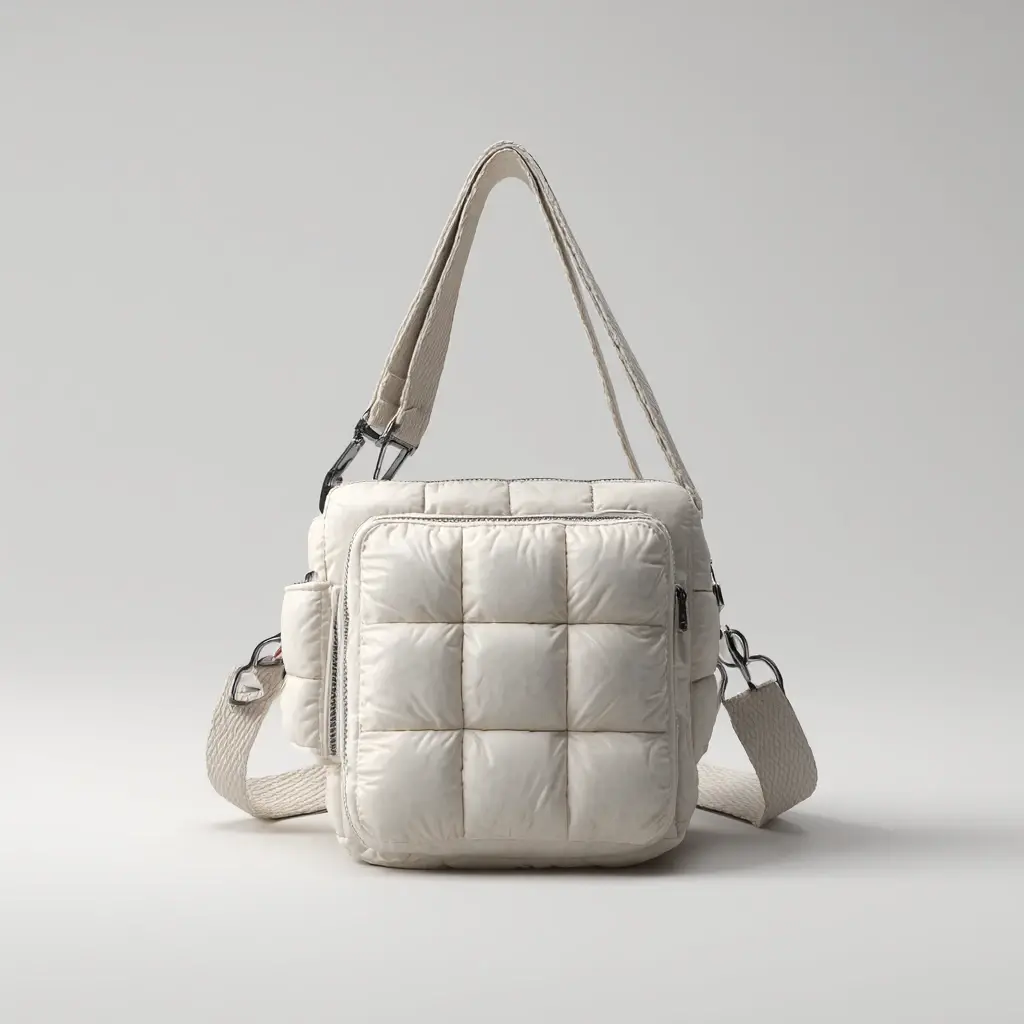
Weight is the quiet variable in this category. Customers do not weigh bags, but they lift them, and a 980-gram empty backpack is noticeably heavier than a 720-gram one in the first three seconds of handling. That first impression runs against the structured build, and it is the main reason the hybrid exists: it delivers most of the function at 850 grams, which is roughly the threshold where a leather backpack stops feeling heavy.
- 720 grams: reads light and casual, photographs beautifully, carries poorly above three kilograms.
- 850 grams: the crossover point where structure becomes acceptable without the bag feeling heavy.
- 980 grams: reads substantial and expensive, and is only justified when the bag genuinely carries a laptop.
Perceived value moves the other way. A heavier leather body with a thicker substance reads as more expensive, and at retail prices above USD 199 customers expect to feel weight. Below USD 149 they do not, and a heavy bag at a low price is read as cheap materials rather than as generosity. Match the build to the ticket, not to the ambition: the structured body belongs above USD 199, the hybrid between USD 149 and USD 229, and the soft body below USD 169.
Round six: photography and listing behaviour
Backpacks photograph badly compared with every other shape in the range, because the interesting part of the product is on the back. The front of a worn backpack faces away from the camera, which means listing photography needs a second shot from behind, and that shot is the one that sells it. The three builds behave very differently in front of a camera.
- Soft body: slumps in a flat lay, needs light stuffing, and looks best photographed worn rather than standing.
- Hybrid: holds a partial shape, photographs well standing, and is the easiest of the three to shoot consistently.
- Structured: stands unaided, needs no stuffing, and produces the most consistent listing images across a colour range.
Consistency across a colour range is underrated and it is the strongest practical argument for the hybrid. A shoot that takes an extra twenty minutes per colourway to restuff and reshoot costs more over five colours than the difference in unit cost between the hybrid and the soft build. For a programme planning three or more colourways, that difference usually decides the round in favour of the hybrid regardless of what the other five rounds said.
Reading the matrix: which build for which channel
Six rounds produce no universal winner, which is the point. The scores are close enough that the sales channel decides, and the decision is worth making explicitly rather than by default. The recommendation below is what a handbag programme specialist would give after seeing the channel, and it differs from the recommendation most briefs arrive with.
| Channel | Recommended build | Why |
|---|---|---|
| Boutique and independent retail | Soft fashion body | Sells on look and hand feel, low ticket, fast reorder |
| Own ecommerce site | Hybrid convertible | Photographs consistently, covers both use cases |
| Corporate and workwear programmes | Structured work body | Laptop protection is a hard requirement |
| Marketplace at high volume | Hybrid convertible | Balances freight weight against review scores |
Two channels deserve a specific warning. Corporate programmes almost always require the structured build and almost always start by asking for the soft one, because the soft one looks better in the mood board; the laptop requirement reasserts itself the moment the first sample is handled. And marketplace sellers routinely choose the soft body for its lower unit cost, then lose the saving to returns driven by strap comfort, which is the single most expensive mistake in this comparison.
Where a backpack sits in a wider range is a separate question from which build to choose. It is the heaviest and slowest-moving shape in most collections, and the guidance on balancing a collection across carry positions generally puts it at one slot rather than three. Buyers who already sell work-adjacent categories should also read the backpack against the briefcase comparison, because the two compete for the same customer and stocking both at 500 pieces each is often one too many.
What changes at 500 pieces per colourway
Scale changes three things on a backpack and leaves most others alone. Unit cost falls by roughly 6 to 9 percent between 500 and 2,000 pieces, and it falls because cutting and closing are set up once rather than because leather gets cheaper. Lead time does not shorten; if anything the structured build stretches to the 45-50 day end of the range at higher volumes because the panel count is the constraint, not the line speed.
What improves sharply at volume is specification control. At 500 pieces the hardware is bought in from stock and the plating class is whatever the market offers; at 2,000 pieces a custom pull, a branded zipper tape and a bespoke lining print all become economic, and those are the details that make a backpack look like a brand rather than like a category. The third thing that changes is carton efficiency: a structured 18-litre body packs 10 to a carton, so a 2,000-piece order is 200 cartons and a full container planning exercise rather than a booking.
Compliance on a backpack follows the same pack as the rest of the range and should be requested at quotation stage. A REACH Annex XVII declaration covers European Union market access, California Prop 65 and CPSIA documentation covers United States listings, and a Leather Working Group audit reference from the tannery answers the sourcing question most European retailers now ask. Production runs under an ISO 9001 quality system and release is at AQL 2.5 under ISO 2859-1. Reports in Sourcing Journal consistently place the growth in hybrid and convertible formats rather than in either extreme, which matches what most programmes find once they have sold all three.
The practical closing rule is simple. Choose the structured build when a laptop is a hard requirement, the soft build when the ticket is under USD 169 and the channel is boutique, and the hybrid in every other case. Programmes that follow it spend less on sampling, because they stop asking for a soft body to do a structured job, and they get to bulk faster because the first sample is closer to what the channel actually needs. The wider leather handbag sourcing programme treats the backpack as the shape that proves a range is serious rather than the shape that drives its volume.
The Load Test a Backpack Should Pass Before Sign-Off
A backpack is the only bag in a range that carries weight on two shoulders for hours, so the sign off has to include load rather than dimensions alone. Six tests cover it and the whole set takes under a day on a sample bench. They are worth specifying because a backpack fails in the field in two predictable places: the strap attachment and the base seam.
| Test | Load and duration | Pass criterion |
|---|---|---|
| Static strap pull | 25 kg held for 60 seconds | No stitch elongation over 3 mm |
| Dynamic load | 5 kg carried for 8,000 steps | No seam opening at the strap root |
| Drop test | 8 kg from 500 mm onto the base | Base seam intact and device sleeve undamaged |
| Slider and adjuster | 5 kg on the webbing for 60 seconds | Creep under 3 mm |
| Zip cycle | 500 open and close cycles on the main opening | No stop failure or tape separation |
| Handle lift | 15 kg held for 30 seconds | No deformation at the handle joint |
Cube, Weight and Freight: What a Backpack Costs to Move
A backpack is the least freight friendly shape in a range. It is bulky relative to its weight, so it cubes out of a container long before it weighs out, and on an air shipment the volumetric rule punishes it twice over. Two decisions at the drawing stage recover most of that cost: whether the body ships flat or stuffed, and how many units fit a carton.
- Carton fill. A structured 18 litre body at 24 units per carton needs about 0.11 cubic metres; the same bag nested flat can halve that.
- Weight band. 720 to 980 grams empty; above roughly 900 grams the freight line starts to matter on an air shipment.
- Volumetric rule. Air is charged at one cubic metre to 167 kilograms, so a light bulky bag is billed as though it were heavy.
- Cube per 500 pcs. About 2.3 cubic metres against roughly 2.0 for a medium tote, which is a 15 per cent freight penalty.
- Consolidation. Shipping a backpack alongside two flatter styles in one container brings the cost per piece back down.
Send the channel, the ticket band and the largest device the bag must carry, and the right build follows from those three answers. Quotations come back on FOB Xiamen terms at 500 pcs per style and colourway, sampling 6-10 working days, bulk 35-50 days. Our validated partner factory Quanzhou Yingming Bags has exported since 2014 across seven production lines at about 200,000 pcs per month. Get a quote at /contact-quote/.
Frequently Asked Questions
Which backpack build is best for a private label brand?
It depends on the sales channel. Choose the structured work body when a laptop is a hard requirement, the soft fashion body for boutique channels with tickets under USD 169, and the hybrid convertible in every other case. The hybrid is also the easiest of the three to photograph consistently across multiple colourways.
How much does a 500-piece leather backpack order cost?
USD 15.40 for the soft fashion body with four panels, USD 18.60 for the hybrid with eight panels, and USD 21.80 for the structured work body with eleven panels plus a fibreboard skeleton, all FOB Xiamen. Costs fall about 6 to 9 percent between 500 and 2,000 pieces, mainly from one-time cutting and closing setup.
What strap width should a leather backpack use?
40 mm with 8 mm of closed-cell foam and an S-curve cut for the structured build, 32 mm with 5 mm foam for the hybrid, and 20 mm plain leather for the soft body. A 20 mm strap digs into the shoulder once the bag holds three kilograms, which is the most common cause of returns on fashion backpacks.
Can a soft fashion backpack carry a laptop?
Not properly. A padded laptop sleeve needs 5 mm EPE foam on both faces and a base raised 20 mm above the bottom seam, and adding that removes the slouch that sells the soft body. The hybrid can take a slim tablet sleeve but not a full laptop sleeve with foam on both faces.
What laptop size should a backpack sleeve be built for?
A clear internal dimension of 33 x 24 cm suits a 14-inch device with 8 mm of clearance in each direction. Confirm the largest device in the target market first, add 5 mm EPE foam to both faces rather than one, and add a 30 mm webbing strap across the top so the device cannot slide out when opened.
How heavy should a leather backpack be?
Around 720 grams for a soft body, 850 for a hybrid and 980 for a structured body. Customers do not weigh bags but they lift them, and 850 grams is roughly the threshold where a leather backpack stops feeling heavy. Perceived value moves the other way above USD 199 retail, where weight reads as quality.
Why does a structured backpack cost 40 percent more?
Panel count. Eleven panels plus a fibreboard skeleton means more cutting time, more closing time and more hardware than the four panels of a soft body. Yield partly offsets this, because small rectangular panels nest efficiently on a hide while the large curved pieces of a soft body do not.
How is a backpack inspected before shipment?
At AQL 2.5 under ISO 2859-1, with checks on panel alignment, zipper cycling to 5,000 operations, strap attachment pulled to 4,000 grams per point, laptop sleeve dimensions, and colour assessed under a D65 light source. Production runs under an ISO 9001 quality system and the inspection report closes the documentation pack.
Which closure works best on a backpack?
A number 8 coil zipper opening to 180 degrees for the structured build, a number 8 top zipper for the hybrid, and a drawstring under a flap with a magnetic tab for the soft body. Turn locks look excellent on paper and are unusable on a backpack, because the bag is opened while being worn.
Should a backpack have a top grab handle?
On a 980-gram structured body, yes, and it needs a 4 mm steel insert inside the leather core or it stretches permanently. On a 720-gram soft body the handle is decorative, so a simple folded tab is better: it costs 0.35 USD less and looks cleaner than a padded handle on a slouchy shape.
How many backpacks fit in an export carton?
About 10 pieces per carton for a structured 18-litre body, because the padded back panel and straps consume volume. A 2,000-piece structured order is therefore around 200 cartons and needs full container planning rather than a simple booking. Soft bodies nest better and pack roughly 16 per carton.
What compliance documents does a backpack need?
A REACH Annex XVII declaration for the European Union, California Prop 65 and CPSIA documentation for United States marketplace listings, and a Leather Working Group audit reference from the tannery. Social compliance through BSCI or Sedex is requested by chain retailers at onboarding, so ask for the audit reference at quotation stage.
People Also Ask
Are leather backpacks a good first category for new brands?
They are a good third category rather than a first. Backpacks carry the highest unit cost and the slowest stock turn in most ranges, so they suit a brand that already has proven volume in a simpler shape. One slot in the collection is usually the right allocation.
What is the difference between a fashion backpack and a work backpack?
A fashion backpack is a handbag worn on both shoulders: soft body, light straps, no laptop protection. A work backpack is a carrying device: structured panels, padded 40 mm straps and a foamed sleeve. The price difference is about USD 6.40 per unit.
Do leather backpacks sell better online or in boutiques?
Structured and hybrid builds sell better online, where specification and laptop fit drive the decision. Soft fashion bodies sell better in boutiques, where hand feel and look decide it. Photographing any backpack well needs a shot from behind, since the front faces away when worn.
How long does backpack production take?
Sampling takes 6 to 10 working days and bulk takes 35 to 50 days. Structured builds tend to the 45-50 day end because panel count is the constraint, not line speed. Higher volumes do not shorten lead time, though they do make custom hardware and branded lining prints economical.
Sources and further reading
Every figure on this page is either our own programme data or attributed below. Open the originals before you write them into a specification.
- REACH — chemical substances regulationEuropean Commission Annex XVII restricts the substances that may appear in finished leather and coatings.
- Leather Working Group — environmental auditing for tanneriesLeather Working Group Environmental audit protocol for tanneries and leather traceability.
- SATRA — technical services for leather, footwear and accessoriesSATRA Independent leather, hardware and accessories testing protocols.