The Anatomy of a Profitable Private Label Handbag Collection
What makes a private label handbag collection profitable? Three silhouettes in two colourways — 3,000 pieces, one container, one inspection — turning about 4.2 times a year with 90 days of cash tied up and a markup of 2.8 times landed cost. The shape matters more than the styles: MOQ 500 pcs per style / colourway means every silhouette and every colourway multiplies, and a collection of eight pieces in four colourways is a different business from one of three in two. 6-10 working days of sampling and 35-50 days of bulk production are the two windows the whole calendar is built around, and they are the reason a wide collection ties up more cash than a narrow one at the same turnover.
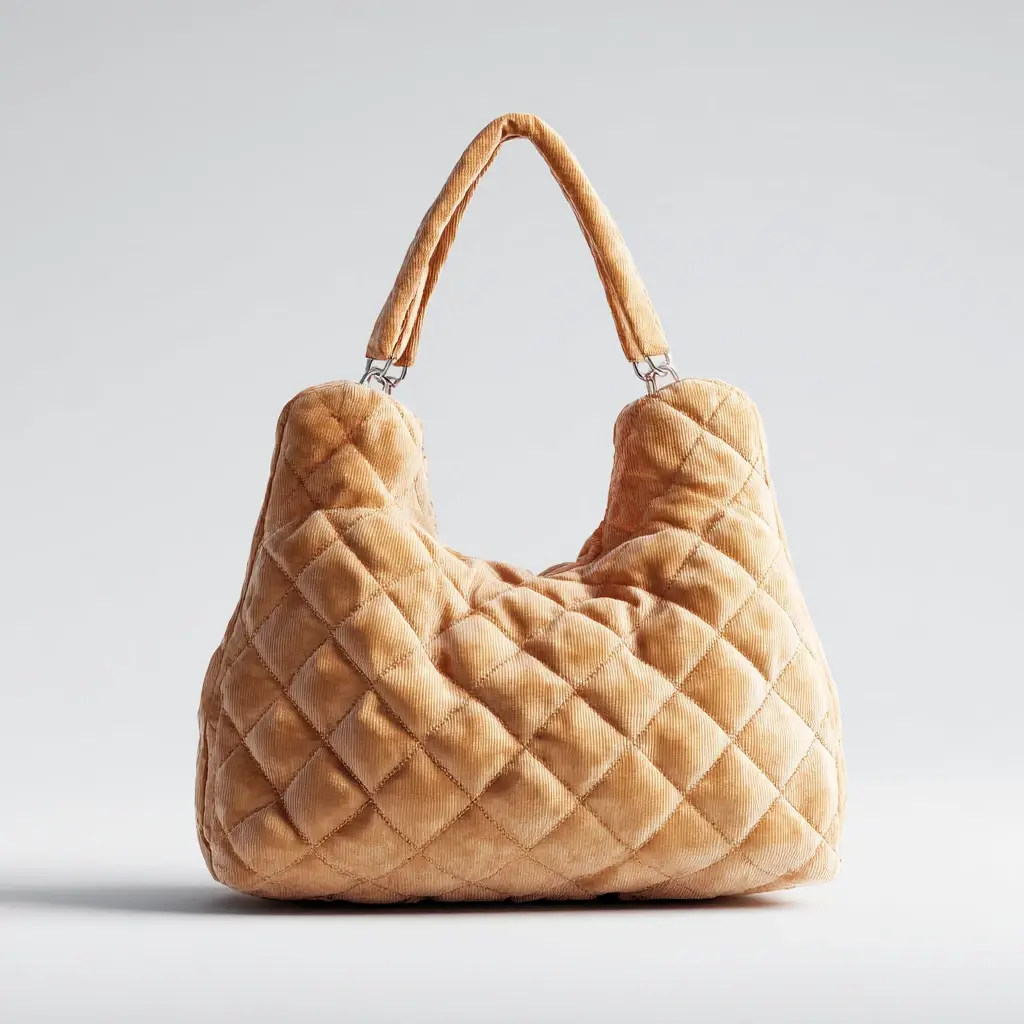
- Three Collection Shapes, Compared on the Numbers That Matter
- What the Narrow Collection Costs and Returns
- What the Balanced Collection Costs and Returns
- What the Wide Collection Costs and Returns
- The Margin Arithmetic Behind Each Shape
- Where the Profit Actually Sits in a Collection
- The Inventory Position: 4.2 Turns and 90 Days of Cash
- How a Collection Grows Without Breaking the Arithmetic
- What a Profitable Collection Does Not Carry
- Reading Your Own Collection as a Set of Numbers
- Three Price Tiers, and the Gap Between Them
- Where the Cash Actually Leaves, Week by Week
- The Full-Price Sell-Through Target and the Reserve Behind It
- Three Numbers That Break the Arithmetic, and by How Much
What makes a private label handbag collection profitable? Three silhouettes in two colourways — 3,000 pieces, one container, one inspection — turning about 4.2 times a year with 90 days of cash tied up and a markup of 2.8 times landed cost. The shape matters more than the styles: MOQ 500 pcs per style / colourway means every silhouette and every colourway multiplies, and a collection of eight pieces in four colourways is a different business from one of three in two. 6-10 working days of sampling and 35-50 days of bulk production are the two windows the whole calendar is built around, and they are the reason a wide collection ties up more cash than a narrow one at the same turnover.
Collection parameters that drive the arithmetic
Three Collection Shapes, Compared on the Numbers That Matter
A collection is a cash plan before it is a design statement, and it takes one of three shapes. The narrow shape is one silhouette in two colourways; the balanced shape is three silhouettes in two colourways; the wide shape is six silhouettes across three or more colourways. Every figure below follows from the MOQ multiplier, and the comparison is the fastest way to see why most first collections that fail do so for a reason that has nothing to do with the bags.
| Shape | Units in the first buy | SKUs | Cash tied up | Turnover |
|---|---|---|---|---|
| Narrow — one silhouette, two colourways | 1,000 pcs | 2 | Lowest | Fastest per SKU, thin range |
| Balanced — three silhouettes, two colourways | 3,000 pcs | 6 | Moderate | 4.2 turns is the working target |
| Wide — six silhouettes, three colourways | 9,000 pcs | 18 | Highest | Slowest per SKU, heavy range |
What the Narrow Collection Costs and Returns
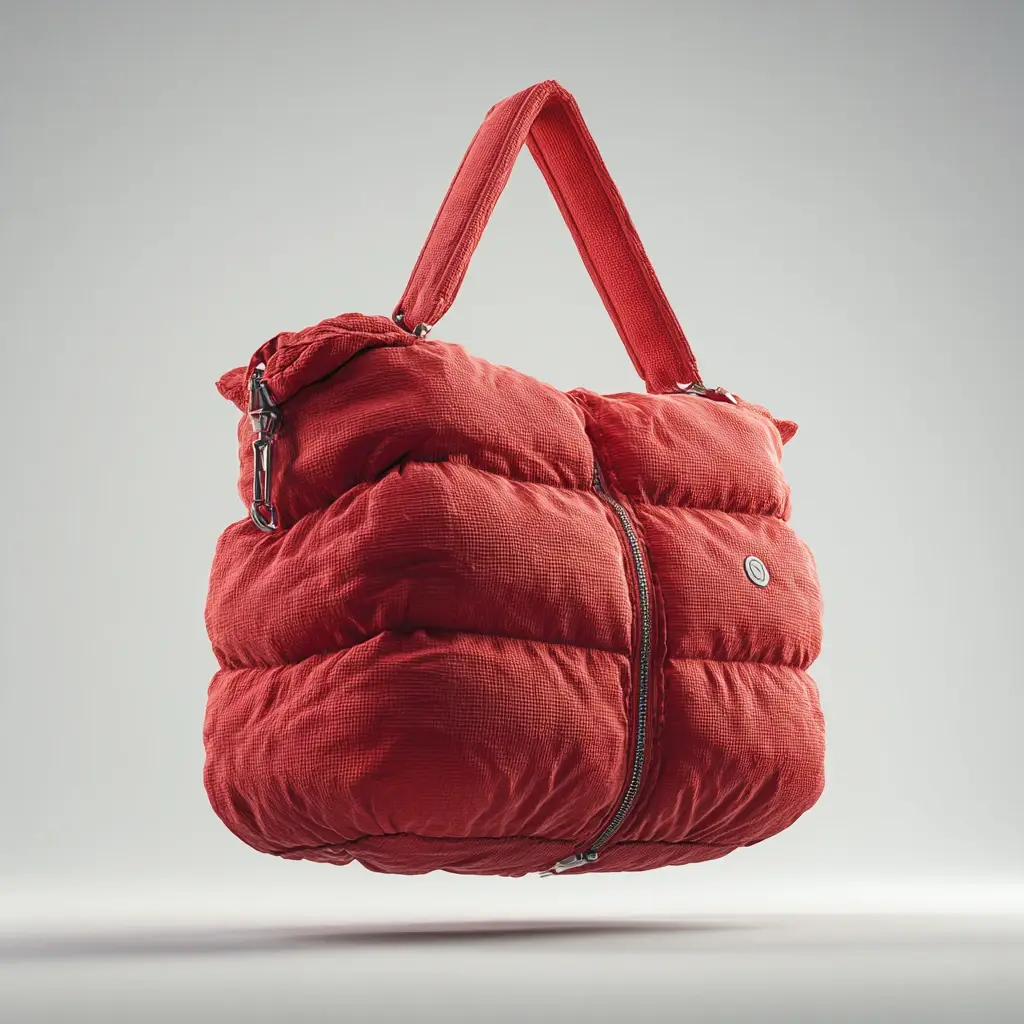
One silhouette in two colourways is 1,000 pieces and the smallest cash commitment that still carries a private label brand. It is the right shape when the silhouette is already proven — a tote that has been selling in someone else's brand, or a shape you have tested with stock. Its weakness is that it is a product rather than a collection: two SKUs give a customer nothing to choose between and give a retailer nothing to build a rail from. It is the best first shape for a marketplace seller and the weakest for a shop.
What the Balanced Collection Costs and Returns
Three silhouettes in two colourways is 3,000 pieces, six SKUs and one 40-foot container, and it is the shape most profitable private label collections take in their first year. It works because the three silhouettes share a material buy, share trimmings and share one branding setup, so the fixed costs of the programme are spread across six SKUs instead of two. It also fills a rail, which means it can be sold to a shop as a range rather than as a single bag, and that is the difference between a reorder and a one-off purchase.
What the Wide Collection Costs and Returns
Six silhouettes across three colourways is 9,000 pieces and eighteen SKUs, and it is the shape that quietly ends first collections. The arithmetic is not the problem — the unit price improves at that quantity — but the cash and the attention are. Eighteen SKUs at 500 pcs each means eighteen inventory positions to manage, eighteen demand forecasts to get wrong, and a reorder cycle that has to be right eighteen times. A wide collection is the right shape in year three, when the demand data exists to justify it, and the wrong shape in year one.
The Margin Arithmetic Behind Each Shape
Profitability in this category is arithmetic that has to be done per SKU and then for the collection, because the two answers differ. A markup of 2.8 times landed cost is a working target for a mid-market private label line: it leaves room for the channel fee, the return rate and the promotional calendar and still returns something worth holding inventory for. The table below shows where that multiple goes in each shape, and the line that separates a profitable collection from a busy one is the contribution after all three deductions.
| Line | Narrow | Balanced | Wide |
|---|---|---|---|
| Landed cost per unit | 100 index | 96 index | 92 index |
| Retail at 2.8x | 280 | 269 | 258 |
| Channel fee | Mid-teens per cent | Mid-teens per cent | Mid-teens per cent |
| Returns and promotions | A reserve, not a hope | A reserve, not a hope | A reserve, not a hope |
| Contribution per SKU | Highest | Moderate | Lowest |
| Contribution for the buy | Lowest in total | Highest in total | Exposed to slow SKUs |
Two deductions do most of the damage and both are usually missing from a first plan. The channel fee comes off the retail price before anything else, and on a marketplace it sits in the mid-teens per cent. The returns and promotions reserve is the other: a line planned without one assumes every unit sells at full price, which is the assumption that turns a 2.8x markup into a 2.1x one. Build both in at the planning stage and the multiple that survives is the one worth quoting to a retailer.
None of the three shapes changes the inspection or the compliance position, and that is the part of the calendar which does not scale. Whatever the shape, the run ends at AQL 2.5 under ISO 2859-1, and the material test reports against REACH Annex XVII plus the Proposition 65 review on hardware are commissioned once per material rather than once per SKU. A wide collection therefore buys no compliance saving, which is another reason the narrow and balanced shapes are the efficient ones.
Where the Profit Actually Sits in a Collection
In most handbag assortments, roughly two-thirds of the contribution comes from a third of the SKUs, and the collection has to be built knowing that in advance rather than discovering it. The practical consequence is a deliberate choice of a volume style and a margin style. The volume style — usually a tote or a crossbody — is the one that turns 4.2 times a year and carries the cash flow. The margin style — usually a structured shoulder bag or a satchel — turns more slowly and carries the contribution. A collection of all volume styles has no margin; a collection of all margin styles has no cash flow.
Which Shape Suits a First Collection?
The balanced shape, with one adjustment: three silhouettes in one colourway for the first buy, which is 1,500 pieces rather than 3,000, and the second colourway added on the second order once one of the three has proved it turns. That adjustment keeps the six-SKU structure that a shop can sell as a range while reducing the first cash commitment by half, and it is the single most useful change a new brand can make to its plan. A narrow shape suits a proven single SKU; a wide shape is a year-three decision taken on data.
The Inventory Position: 4.2 Turns and 90 Days of Cash
Turnover is what turns a margin into a return, and 4.2 turns a year is the working target for a mid-market bag line. It falls out of the calendar: 35-50 days of production 35-50 days of ocean transit, and the selling period, which together put about 90 days of cash into the business between the deposit and the last unit sold. A collection that turns less often is not necessarily unprofitable, but it needs more cash to produce the same contribution, and cash is the thing that ends most first collections before the arithmetic has a chance to work.
- Cash tied up per cycle — about 90 days between the deposit and the last unit sold, which is what 4.2 turns a year means in practice.
- The deposit — released to buy material at the start of the 35-50 day window, before a single unit exists.
- The transit leg — 18-28 days to the United States West Coast, during which the goods exist but cannot be sold.
- The selling period — the part a brand controls, and the only one of the three that can be compressed by better selection.
- The reorder overlap — the second order is placed before the first has finished selling, so two cycles of cash are in the system at once.
The reorder overlap is the part that surprises new brands, and it is better planned for than discovered. A second order placed while the first is still selling means two deposits, two bulk windows and two transit legs financing at the same time, so the cash requirement of a successful collection is close to double what the first buy suggests. The collection that grows fastest is the one most likely to run out of cash, which is another argument for the balanced shape in a single colourway: it is the shape that survives its own success.
How a Collection Grows Without Breaking the Arithmetic
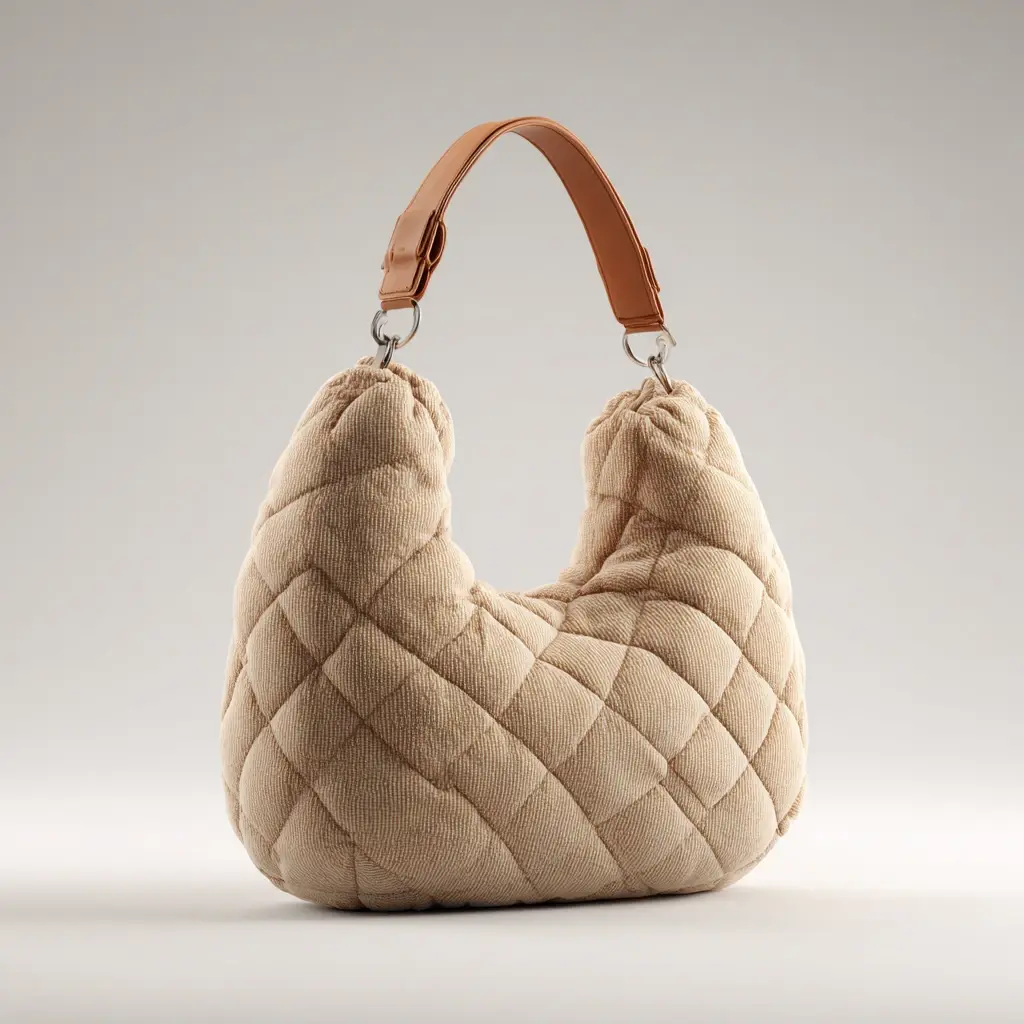
A collection grows by deepening a proven SKU, not by widening the range. The second order should be the same three silhouettes with a second colourway added to whichever one turned fastest, which costs no development, no tooling and no sampling, and it is the only growth that improves both the unit price and the turnover at the same time. The third order can introduce a fourth silhouette, by which point the demand data says which one. Growth by widening first is what produces eighteen SKUs, six of which were never going to sell.
How Many Colourways Does the Arithmetic Support?
Two in the first year and three from the second, and the limit is cash rather than taste. A third colourway across three silhouettes is 4,500 pieces instead of 3,000, and the extra 1,500 pieces have to be carried for the same 90 days as the rest of the buy. The third colourway is affordable when it is added to the two silhouettes that are already turning, and not before that.
What a Profitable Collection Does Not Carry
Four things, and each one removes cash from the arithmetic without adding contribution. It does not carry a silhouette that has not been tested, because a first buy is not a test — a test is 200 pieces of stock. It does not carry a fourth colourway, because each one is a 500-piece dye lot. It does not carry a structured satchel before it carries a tote, because the structured one ties up more cash per unit and turns more slowly. And it does not carry six boutique styles in its first year, however good the range board looks.
Reading Your Own Collection as a Set of Numbers
The test of a collection plan is whether it can be written as six numbers before it is written as a range board. Units per silhouette, units in total, landed cost per unit, the retail multiple, the turns and the days of cash. A plan that cannot produce those six is a plan that will be adjusted later at greater expense, and the adjustment always happens at the point where it is most expensive: after the deposit, during the 35-50 day window, when the material has already been bought.
Write them down and the two decisions that follow become mechanical. Whether a second colourway is affordable this season or next, which is a question about 500 pieces per colourway rather than about taste. And whether the pricing for a 3x retail margin holds at the landed cost the assortment actually arrives at — because a markup planned on the FOB figure and a margin realised on the landed one are two different numbers, and the private label handbags programme is quoted FOB Xiamen.
Three Price Tiers, and the Gap Between Them
A collection reads as a range when its price points are far enough apart to be different decisions. Three tiers is the workable architecture for a first year: an entry tier, a volume tier and a margin tier, with at least a 1.4 times step between neighbours. Closer than that and the customer compares rather than chooses; wider and the middle tier has nothing to sit against. On a landed cost index of 100 the three land near 100, 118 and 152.
| Tier | Landed cost index | Retail index | Role in the collection |
|---|---|---|---|
| Entry | 100 | 260 | Brings the customer in; thinnest margin |
| Volume | 118 | 320 | Turns about 4.2 times a year; carries the cash |
| Margin | 152 | 430 | Turns 2-3 times; carries the contribution |
The tiers should differ by construction rather than by decoration. A tote at the entry tier, a shoulder bag at the volume tier and a structured satchel at the margin tier give the ladder a reason to exist, and all three share one material buy, one branding setup and one compliance file. A ladder built on decoration alone produces three bags at one price competing with each other.
Where the Cash Actually Leaves, Week by Week
The ninety-day figure is an average; the real outflow is lumpy, and the peak matters more than the average. With payment at 30 per cent to release material and 70 per cent against the inspection report, a 3,000-piece balanced collection has two peaks: a third of the order value in week two, and two thirds in the week bulk finishes, before a single unit has sold. Freight, duty and receiving land four to six weeks after that.
| Week | Event | Share of order value |
|---|---|---|
| Week 0 | Specification lock, sample fee and tooling | 1-3% |
| Week 2 | Deposit releases material | 30% |
| Weeks 3-9 | Bulk run; nothing moves | 0% |
| Week 10 | Balance against the inspection report | 70% |
| Weeks 11-15 | Freight, duty, terminal and receiving | 9-15% on top of FOB |
Two consequences follow. The business needs the second peak financed before the first has produced any revenue, which is the practical reason a successful collection can run out of cash. And a deposit moved two weeks earlier buys nothing, because material is released against the slot rather than against the wire. Timing the deposit to the slot is what matters, and the pricing for a 3x retail margin sets the retail side of the same arithmetic.
The Full-Price Sell-Through Target and the Reserve Behind It
A collection plan needs a number for how much of the buy sells at full price, because everything below that number is a markdown rather than a margin. The working target for a mid-market bag line is 65-70 per cent of units at full price inside one selling season, with the remainder cleared in two steps. Against that target, hold a markdown reserve of 6-9 per cent of planned retail value on the buy, booked at purchase rather than discovered in week sixteen.
- 65-70% at full price inside the season is the threshold that keeps a 2.8x markup intact.
- A first reduction of 20-25% at the week-eight review restores velocity without teaching customers to wait.
- A season-end clearance near 50% clears the remainder; anything deeper was a buying error rather than a pricing one.
- A 6-9% reserve of planned retail value, booked at purchase, is what turns a markdown into a plan.
The reserve is the line most first plans omit, and its absence is why a collection that looked profitable on paper returns less than the model said. A 2.8x markup with no reserve is roughly a 2.5x markup once a realistic clearance is priced in, and the difference is usually the whole of the contribution on the slowest tier.
Three Numbers That Break the Arithmetic, and by How Much
A collection plan is a set of assumptions, and three of them move the answer more than the rest: landed cost arriving 8 per cent above plan, sell-through missing by 15 per cent, and the selling season running four weeks short. Run all three before the deposit and the shape of the collection usually changes, because a wide plan that survives a cost overrun rarely survives a demand miss at the same time.
| Change | Effect on contribution | Response |
|---|---|---|
| Landed cost +8% | Contribution falls about 11-13% | Work one line; do not raise retail mid-season |
| Sell-through -15% | About 450 extra units into markdown | Cut depth on the slowest tier before the repeat |
| Season 4 weeks shorter | Full-price sales fall 12-18% | Ship earlier rather than discounting later |
| Both cost +8% and sell-through -15% | Contribution roughly halves | Move to the narrow shape for a season |
The value of the exercise is that it is done once, on a spreadsheet, before any money moves. A plan that has been stressed this way does not need to be renegotiated at week ten, when the only available response is a discount and the only available conversation is with whoever supplied the material.
Plan a collection that turns 4.2 times a year
Send the silhouettes, the colourways and the units per style, and a private label coordinator will confirm MOQ 500 pcs per style / colourway, sampling in 6-10 working days, a 35-50 day bulk window and inspection at AQL 2.5 under ISO 2859-1. Get a quote.
Frequently Asked Questions
What makes a private label handbag collection profitable?
Three things together: a shape that matches the cash available, a markup that survives the channel fee and the returns rate, and a turnover fast enough to convert that margin into a return. Three silhouettes in two colourways turning about 4.2 times a year at 2.8 times landed cost is the working target. The shape matters most, because MOQ 500 pcs per style / colourway means every silhouette and colourway multiplies the buy.
What is the best size for a first handbag collection?
Three silhouettes in one colourway, which is 1,500 pieces, with the second colourway added on the second order. That keeps the six-SKU structure a shop can sell as a range while halving the first cash commitment. Three in two is 3,000 pieces and one container; one in one is 500 pieces and a product rather than a collection; six in three is 9,000 pieces and a year-three decision.
How many units does a private label collection need?
It follows the MOQ multiplier. One silhouette in one colourway is 500 pcs; one in two colourways is 1,000; three in two is 3,000; six in three is 9,000. The multiplier exists because each colourway is its own dye lot or coating run with its own upstream minimum, so it is not a packaging detail to negotiate at the end.
What markup should a private label handbag collection target?
About 2.8 times landed cost for a mid-market line, and 3 times where the brand can hold it. The multiple has to survive a channel fee in the mid-teens per cent, a returns rate and a promotional calendar, and leave a contribution worth holding 90 days of cash for. A markup planned on the FOB figure rather than the landed one is a different number from the margin that is realised.
Where does the profit sit in a handbag assortment?
Roughly two-thirds of the contribution comes from about a third of the SKUs, so a collection needs a deliberate volume style and a deliberate margin style. The volume style, usually a tote or a crossbody, turns fastest and carries the cash flow; the margin style, usually a structured shoulder bag, turns more slowly and carries the contribution. All volume and there is no margin; all margin and there is no cash flow.
How many times a year should a bag collection turn?
About 4.2 times, and the number falls out of the calendar rather than out of ambition: 35-50 days of production 35-50 days of ocean transit and the selling period put roughly 90 days of cash into the business per cycle. A slower collection can still be profitable, but it needs more cash to produce the same contribution, and cash is what ends most first collections.
How should a collection grow in its second year?
By deepening a proven SKU rather than widening the range. Add a second colourway to whichever silhouette turned fastest, which costs no development, no tooling and no sampling, and which improves the unit price and the turnover at the same time. Introduce a fourth silhouette on the third order, by which point the demand data says which one.
Why does a wide collection fail in the first year?
Because it is eighteen inventory positions to manage, eighteen forecasts to get wrong and a reorder cycle that has to be right eighteen times, on a business that has no demand data yet. The unit price actually improves at that quantity, so the failure is not in the cost; it is in the cash and the attention. Wide is the right shape in year three.
What should a first collection not carry?
Four things: a silhouette that has not been tested at a smaller quantity, a fourth colourway, a structured satchel before a tote, and a range of six or more styles. Each one removes cash from the arithmetic without adding contribution. A first buy is not a test; a test is a couple of hundred pieces of stock.
How do I know whether my collection plan is sound?
Whether it can be written as six numbers before it is written as a range board: units per silhouette, units in total, landed cost per unit, the retail multiple, the turns and the days of cash. A plan that cannot produce those six gets adjusted later at the most expensive point in the calendar, which is after the deposit when the material has been released.
Does a bigger first order always lower the unit price?
It lowers it, but not in a straight line. Most fixed cost is absorbed inside the first thousand pieces, so the step from 500 to 1,000 buys more than the step from 1,000 to 3,000. Above that, the saving continues through better hide nesting and hardware breaks, but it is small compared with the cash it takes to obtain it.
People Also Ask
What is the difference between a markup and a margin?
A markup is the multiple applied to landed cost to reach retail; a margin is what remains of that retail price after every deduction. A 2.8x markup becomes a much smaller margin once the channel fee, the returns rate and the promotional calendar have taken their share.
Should a collection share one material across all styles?
Yes. One material family across three silhouettes means one dye lot per colour instead of three, one trimming purchase and one shared branding setup, and it is the main reason the balanced shape costs less per unit than three separate developments.
How much cash does a first collection need?
Enough for the deposit that releases material at the start of the 35-50 day window, plus the transit leg and the selling period, which together put about 90 days of cash into the business per cycle. If the second order is placed before the first has sold out, two cycles are in the system at once.
Is it better to have fewer styles in more colours?
Usually yes. A third colourway of a proven tote is cheaper to develop and easier to forecast than a fourth silhouette, because the pattern, the yield and the demand are already known. Add silhouettes when the data says which one.
Sources and further reading
Every figure on this page is either our own programme data or attributed below. Open the originals before you write them into a specification.
- FashionUnited — fashion industry news and dataFashionUnited Industry news and company data for the fashion sector.
- ITC Trade Map — import and export statisticsInternational Trade Centre Import and export statistics by HS code and destination market.
- International Maritime OrganizationIMO Maritime rules governing container packing and dangerous-goods declaration.