First Handbag Collection: How Many Styles to Launch With
How many styles should a first handbag collection launch with? Three styles in two colourways, or 3,000 pieces at the 500 pcs per style and colourway minimum, is the working answer for most new labels. Fewer than three reads as a single product rather than a collection; more than four spreads the same budget across tooling, sampling and documentation without increasing the chance that any one style sells. This article gives six checklist questions to test the assortment against, each with the number that explains why it matters.
- The Answer First: Three Styles, Two Colourways, 3,000 Pieces
- Checklist 1: Does Each Style Earn Its Own Minimum
- Checklist 2: Which One Is the Hero, and Can You Prove It
- Checklist 3: What Do the Styles Share
- Checklist 4: Does the Assortment Cover One Customer's Week
- Checklist 5: Can You Photograph All of It in One Session
- Checklist 6: Does the Range Survive a Slow Style
- The Numbers Behind the Checklist
- Three Assortments That Work and One That Does Not
- Sizing the Range Against Working Capital
- Choosing Which Two Colourways to Run
- Season Two: How the First Assortment Extends
How many styles should a first handbag collection launch with? Three styles in two colourways, or 3,000 pieces at the 500 pcs per style and colourway minimum, is the working answer for most new labels. Fewer than three reads as a single product rather than a collection; more than four spreads the same budget across tooling, sampling and documentation without increasing the chance that any one style sells. This article gives six checklist questions to test the assortment against, each with the number that explains why it matters.
Assortment baseline for a first collection
The Answer First: Three Styles, Two Colourways, 3,000 Pieces
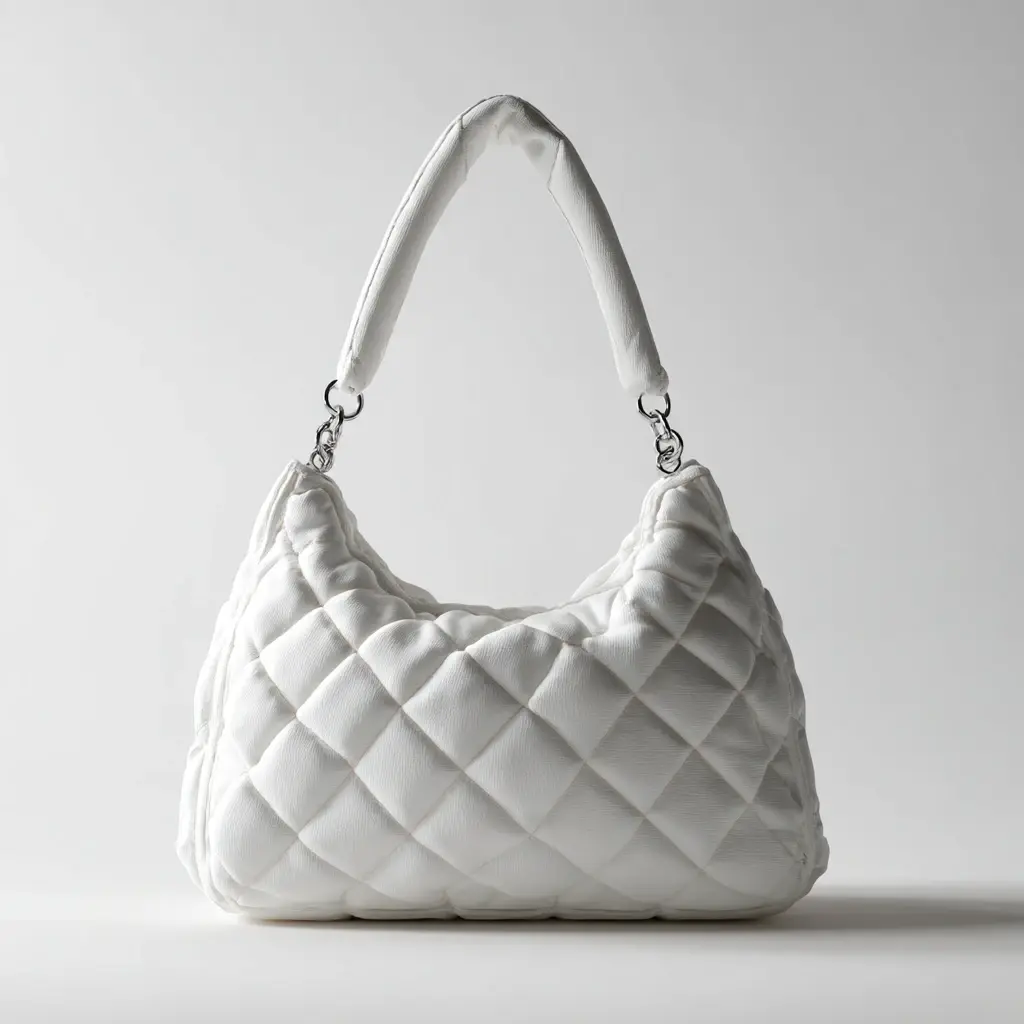
Three styles is the smallest number that reads as a collection on a shelf and the largest number a first budget can carry at full depth. Two styles look like one product with a colour option; four styles at the same budget means either shallower depth per style or a total order 33% larger than the money allows. The two-colourway rule follows from the minimum: 500 pcs applies per style and per colourway, so three styles in two colourways is six production units of 500 pieces, or 3,000 pieces in total.
- Three styles is the minimum that reads as a collection rather than a single product.
- Two colourways per style doubles the merchandising surface without new tooling.
- Six production units of 500 pcs each is 3,000 pieces, a workable first container.
- A fourth style adds roughly 25% more documentation, sampling and inspection work.
- Depth beats variety on run one, because a proven style can be reordered and an untested one cannot.
Checklist 1: Does Each Style Earn Its Own Minimum
Every style in the assortment consumes a full production minimum, a sampling fee, an inspection record and a set of product pages, so each one has to justify that cost on its own rather than as part of a range. The test is simple: if this style were the only one in the order, would the volume still make sense? Styles that only exist to fill a photograph usually fail this test, and they are the ones that end up discounted in month three.
- Name the customer occasion for each style in one sentence, or drop the style.
- Confirm each style can sell 500 pcs in a season on its own, not only as part of a set.
- Check that no two styles serve the same occasion, which splits rather than adds demand.
- Confirm each style can carry the same retail multiple, so one weak price does not distort the range.
- Verify that a style you would drop under budget pressure is not the one doing the marketing.
One test settles most arguments about style count, and it costs nothing to run. Write every style on a card with its occasion, its retail price and its share of the launch budget, then remove the card you would be least upset to lose. If the remaining assortment still covers four distinct occasions and still contains a hero carrying 40-50% of volume, the removed style was not earning its minimum, and dropping it returns roughly 17% of the inventory budget to the styles that are working. Run the test before the deposit, not after the cartons arrive.
Checklist 2: Which One Is the Hero, and Can You Prove It
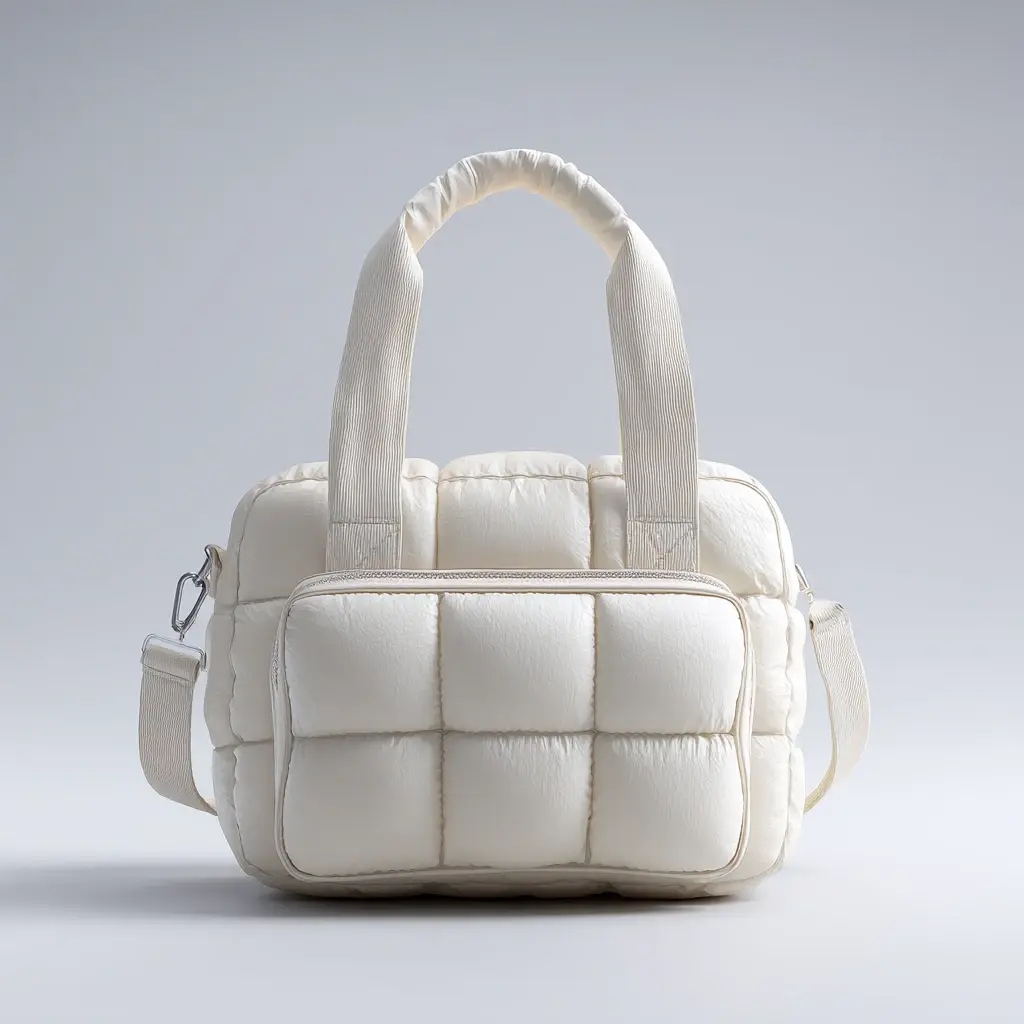
One style should carry 40-50% of the volume and most of the marketing spend, and the assortment is stronger for admitting it. A hero style concentrates photography, paid acquisition and packaging investment on a single silhouette instead of spreading it thinly across three. It also makes the reorder decision simple, because the hero is the style whose sell-through actually determines whether the second order happens.
- Pick the hero before pricing, so the multiple is set against the style that matters most.
- Allocate at least half the launch marketing budget to the hero rather than splitting it evenly.
- Give the hero the deeper colourway count if one style is going to get a third option.
- Track sell-through by style weekly, because the hero's number drives the reorder timing.
- Keep the hero on stock components so a reorder can be placed without new tooling.
Checklist 3: What Do the Styles Share
Shared components are what make a three-style collection affordable. If all three styles use one hardware set, one lining and one carton dimension, the compliance testing bill covers fewer distinct materials, the packing line makes fewer changes, and the reorder can be placed across styles rather than per style. Sharing is the single most effective cost decision available after the style count itself.
| Component | Shared across 3 styles | Separate per style |
|---|---|---|
| Hardware set | 1 plating reference to test | 3 plating references to test |
| Lining material | 1 compliance screening | 3 compliance screenings |
| Carton dimension | 1 packing method, 1 volumetric figure | 3 methods, 3 figures |
| Dust bag and hangtag | 1 print run, lower unit cost | 3 print runs, higher unit cost |
| Sampling fee | credited once per style | credited once per style |
The exceptions matter as much as the rule. Hardware finish and lining should be shared; silhouette, closure and exterior material should not, because those are what make the styles distinguishable to a customer. A collection that shares too much stops being a range and becomes one bag in three sizes, which fails the first checklist question about each style earning its own minimum.
Checklist 4: Does the Assortment Cover One Customer's Week
A first collection should cover the occasions one customer actually has in a week rather than the categories a retailer uses to organise a floor. The practical test is to write three or four occasions and check that each has a style and that none has two. Where two styles serve the same occasion, one of them is not earning its minimum; where an occasion has none, there is a gap a competitor fills.
- Write the four occasions your customer has in a normal week.
- Assign one style to each occasion, and check no occasion carries two styles.
- Check the price ladder: a hero, a step-up and an entry point, each within 1.5x of the next.
- Check the size ladder: one large, one medium and one compact, with at least 8 cm between them.
- Confirm at least two styles work across seasons, so the range is not a single-season bet.
The price ladder deserves its own note, because it is where most first collections go wrong. A hero at USD 68, a step-up at USD 88 and an entry point at USD 48 works, because each step sits within 1.5x of the next and the customer can trade up or down without leaving the brand. A hero at USD 68 with companions at USD 64 and USD 66 does not, because the customer sees three versions of the same decision and often buys none of them.
Checklist 5: Can You Photograph All of It in One Session
Photography is the constraint nobody plans for and the one that delays launches most often. Three styles in two colourways at three angles each is 18 finished images, which is a single studio day. Six styles in three colourways at the same coverage is 54 images, which is three days and roughly triple the cost, and the extra images do not make any individual style more likely to sell.
- Budget one studio day for three styles in two colourways at three angles.
- Confirm every colourway will actually be photographed; unshot colourways do not sell.
- Plan one lifestyle image and one detail image per style, because hardware sells bags.
- Check that the size difference between styles is visible when they appear in the same frame.
- Keep one set of props and one backdrop so the range reads as one collection.
There is also a sequencing argument for keeping the assortment small. Photography, product pages, barcode assignment and marketplace listing all happen after the cartons arrive, and each style adds a fixed amount of that work. Three styles can be listed in a weekend; six usually cannot, and every week between arrival and listing is a week of inventory sitting unsold while the season moves on without it.
Checklist 6: Does the Range Survive a Slow Style
Assume one style will underperform, because on a first drop it usually does. The question is what it costs when it happens. In a three-style assortment, one slow style absorbs about 33% of the inventory budget and leaves two performing styles to fund the reorder. In a six-style assortment at the same total depth, one slow style absorbs less individually, but two usually underperform, and the remaining volume is spread too thinly to fund anything.
The fix is to define the failure condition before the order is placed. If a style has not reached 30% sell-through by week eight, stop marketing it, hold the remaining stock for the following season and redirect spend to the hero. That decision is much easier to make when the assortment was planned with a hero in the first place, which is why checklist two comes before this one.
The Numbers Behind the Checklist
Six numbers do most of the work in an assortment decision, and all of them can be checked before money is committed. The minimum sets the floor at 500 pcs per style and colourway. The sampling window sets the calendar at 6-10 working days per style. Bulk sets it at 35-50 days. Inspection sits at AQL 2.5 (ISO 2859-1) with a 50-piece sample on a 500-piece lot. Photography sets the launch cost at roughly one studio day per three styles.
The inspection number is worth spelling out, because it scales with assortment in a way founders rarely anticipate. Under AQL 2.5 (ISO 2859-1) at general inspection level II, each 500-piece lot takes its own 50-piece sample, so six production units means six samples rather than one. Six styles in one colourway therefore costs twice the inspection time of three styles in two, on exactly the same 3,000 pieces.
| Styles x colourways | Total pcs | Studio days | Risk if one style is slow |
|---|---|---|---|
| 2 x 2 | 2,000 | 0.5-1 | 50% of inventory in one weak style |
| 3 x 2 | 3,000 | 1 | 33% of inventory in one weak style |
| 4 x 2 | 4,000 | 1.5-2 | 25% of inventory, but 33% more budget |
| 6 x 1 | 3,000 | 1.5-2 | 17% each, but no colour choice and thin depth |
The last row is the trap. Six styles in one colourway each holds the piece count at 3,000 and looks like more variety for the same money, but it removes colour choice, which is the cheapest form of variety a new label can offer, and it multiplies the documentation and inspection work by two. Three styles in two colourways gives the same merchandising surface with half the paperwork.
Three Assortments That Work and One That Does Not
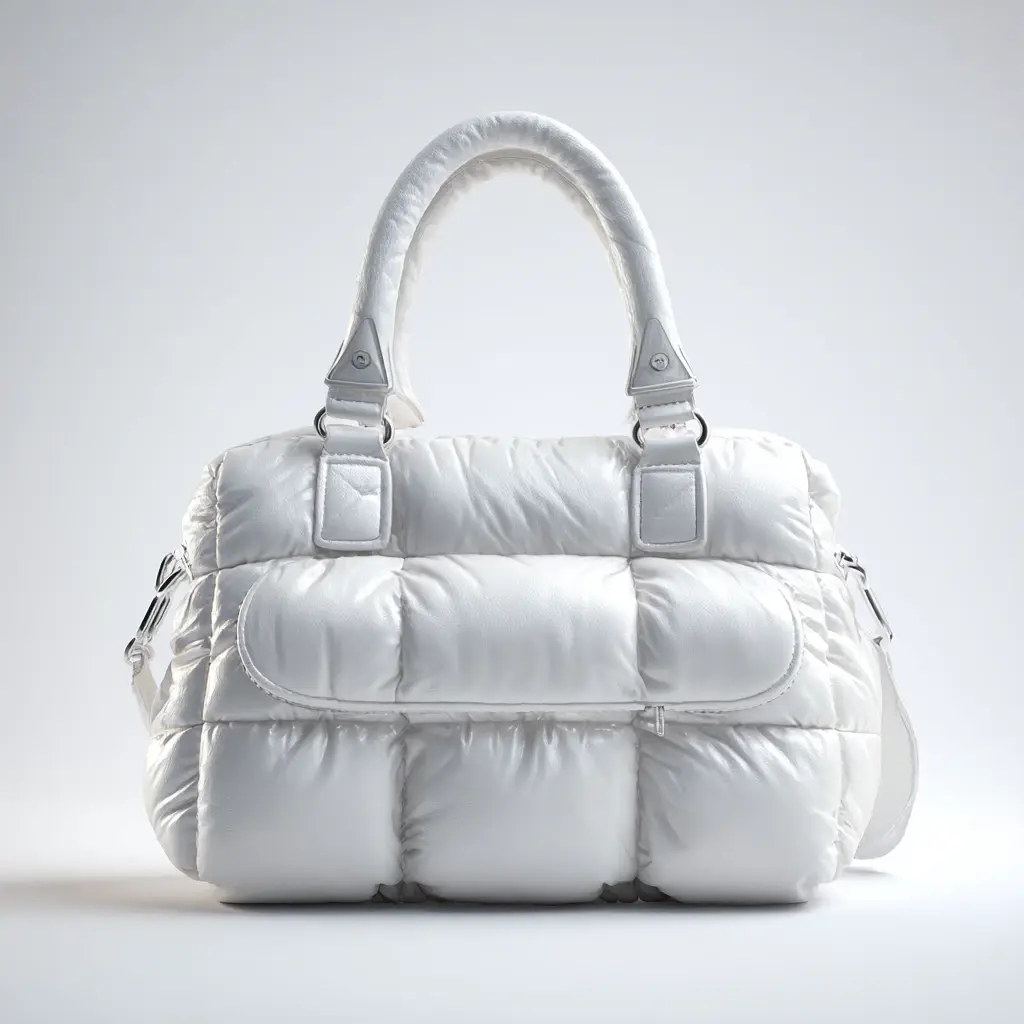
Three shapes cover most first collections, and each one passes the six checklist questions for a different reason. The right one depends on whether the label is competing on price, on material or on a single signature silhouette, and that choice should be made before the style count is finalised rather than after.
- Everyday trio: one tote, one shoulder and one crossbody sharing hardware and lining. Broadest appeal, lowest risk.
- Material-led trio: one silhouette in three material finishes. Fewest patterns, strongest story, narrowest audience.
- Hero-plus-two: one signature bag at 50% of volume, plus one large and one compact companion style.
- The one that fails: six styles in one colourway each, which doubles paperwork and removes colour choice.
Material-led assortments are the exception worth understanding, because they break the three-silhouette rule in a useful way. One silhouette in three material finishes needs one pattern, one set of hardware and one inspection method, so it costs less to develop than three separate silhouettes while still reading as three distinct products. The trade-off is audience: it only works when the label is competing on material rather than on function.
Whichever shape you choose, the assortment decision is not final until it survives the budget. For the cost side, see budget to first sale and the step-by-step launch plan for 2026; for the multiple that each style has to carry, see pricing for 3x to 5x retail margins. Background on how the brand side works sits on the about page.
Sizing the Range Against Working Capital
Three styles in two colourways is the merchandising answer; the cash answer is what those 3,000 pieces tie up. At a USD 19 FOB price the order commits USD 57,000 before freight, duty and the launch costs around it, and the deposit releases roughly a third of that 35-50 days before the balance falls. A brand with USD 40,000 of inventory budget has two honest options: two styles in two colourways at 2,000 pieces, or three styles with the third carried in a single colourway at 2,500. What it does not have is the option of making this decision after the deposit has moved.
- The commitment. 3,000 pcs at USD 19 FOB is USD 57,000 before freight and duty.
- The deposit. Roughly a third leaves at slot booking, 35-50 days before the balance against the inspection report.
- Honest shrink. 2 styles x 2 colourways at 2,000 pcs, or 3 styles with the third in one colourway at 2,500.
- The rule. Depth on the hero, colour on the second style, and neither on an untested third.
Choosing Which Two Colourways to Run
The two-colourway rule is usually spent on one neutral and one colour, and the split deserves to be decided deliberately. A 60/40 or 70/30 volume split between a core neutral and an accent matches how collections actually sell: the neutral carries reviews and reorders, the accent carries the photography. Two neutrals split demand without adding reach; two accents double the colour risk on an unproven silhouette. Where the hero is the marketing lead, give the hero the accent at the smaller share and keep the second style neutral at full depth.
- Split. 60/40 or 70/30 between neutral and accent; a 50/50 split doubles colour risk on unproven shapes.
- Neutral first. Black, tan and the deep browns carry the reorder; accents carry the launch imagery.
- One accent. A single accent colourway across two styles reads as a collection; two accents read as two products.
- Seasonal timing. An accent chosen for one season should be the one you can drop next season without a photography reshoot.
Season Two: How the First Assortment Extends
The three-style launch is also an experiment, and season two is when the results are read. The decision that matters is which style earns a second colourway, and the data is sell-through by week eight. The pattern that holds is that one style carries 40-50 percent of volume, one holds its shelf, and one underperforms. Season two typically keeps the hero at full depth, adds a second colourway to the second style, and replaces the slow third with a new silhouette on shared hardware — a change that reuses the tooling, the lining and the carton rather than starting the documentation again.
- Read week eight. Sell-through by style decides the reorder before the season ends, not after it.
- Hero. Held at full depth and re-coloured only if the original neutral is still selling.
- Second style. Earns its second colourway; the cheapest newness a programme can buy.
- Third style. Replaced on shared components, so tooling, lining and carton carry over untouched.
Send the three silhouettes and the colourway plan and you will get back a costed assortment with sampling, bulk and photography dates. Get a Quote → /contact-quote/
Frequently Asked Questions
How many styles should a first handbag collection have?
Three styles in two colourways is the working answer, giving six production units of 500 pieces each and 3,000 pieces in total. Fewer than three reads as a single product on a shelf, and more than four spreads the same budget across tooling, sampling and documentation without improving the odds that any one style actually sells.
Is three styles enough for a handbag collection?
Yes, provided each one covers a distinct occasion. Three styles arranged as one hero, one step-up and one entry point reads as a collection on a shelf, while two styles tend to look like a single product offered in two sizes. The number matters less than whether each style justifies its own minimum.
How many colourways should a first collection have?
Two per style. Colour variety is the cheapest form of variety available, because it needs no new tooling, no new pattern and no additional compliance screening, unlike a fourth style, which adds roughly 25% more documentation, sampling and inspection work to the same order. A third colourway is possible later, once one has proven itself.
Should I launch six styles in one colourway instead?
Usually not. Six styles in one colourway holds the piece count at 3,000 but removes colour choice entirely and doubles the documentation and inspection workload. Three styles in two colourways gives the same merchandising surface on the shelf with half the paperwork and half the inspection time.
How many pieces is a first handbag collection?
Three styles in two colourways at the 500 pcs per style and colourway minimum is 3,000 pieces in total. That is roughly 150 cartons at 20 pieces per carton, about 14.4 CBM of volume, and around a quarter of one 40' high-cube container on a first shipment.
What is a hero style and why does it matter?
A hero style carries 40-50% of the volume and most of the marketing spend. Concentrating photography and paid acquisition on one silhouette is more effective than splitting it evenly across three, and it makes the reorder decision straightforward, because the hero's sell-through is the number that triggers it.
Should all styles share the same hardware and lining?
Yes for hardware finish and lining material, because sharing reduces compliance screening to a single material reference and lets a reorder be placed across styles rather than per style. Silhouette, closure and exterior material should still differ, or the range becomes one bag in three sizes.
How much photography does a first collection need?
Three styles in two colourways at three angles each is 18 finished images, which fits into one studio day. Six styles in three colourways is 54 images and roughly three days of studio time, and the additional images do not make any individual style more likely to sell.
What happens if one style does not sell?
In a three-style assortment a slow style absorbs about 33% of the inventory budget while two performing styles still fund the reorder. Define the failure condition before ordering: under 30% sell-through by week eight, stop marketing that style and redirect the spend to the hero.
How long does a three-style collection take to produce?
Sampling runs 6-10 working days per style, and bulk production runs 35-50 days for the order as a whole once materials are on hand. Inspection sits at AQL 2.5 (ISO 2859-1), with a separate 50-piece sample taken on each 500-piece lot in the order.
Can I reorder just one style from the collection?
Yes, and it is usually the right move. Reordering the hero at 500 pcs avoids new tooling entirely, collapses sampling into a 3-5 working day confirmation sample, and lands roughly 20 days faster than the first run because the pattern, the tooling and the specification sheet already exist.
People Also Ask
What is the best size for a first handbag collection?
Three styles in two colourways, or 3,000 pieces. It meets the 500-piece minimum on every production unit, covers four customer occasions, and fits into roughly one studio day of photography.
How do I choose which handbag styles to launch?
Write the four occasions your customer has in a week, assign one style to each, and check that no occasion carries two styles. Then pick one hero to carry 40-50% of the volume.
Is it better to launch more styles or more depth?
Depth on run one. Three styles at 500 pcs each can be reordered when proven, while six thin styles spread documentation, sampling and inspection without increasing the chance any one sells.
How many handbags should I order for a first drop?
About 3,000 pieces across three styles and two colourways, which is roughly a quarter of a 40' high-cube container and enough for about ninety days of selling at a moderate rate.
Sources and further reading
Every figure on this page is either our own programme data or attributed below. Open the originals before you write them into a specification.
- FashionUnited — fashion industry news and dataFashionUnited Industry news and company data for the fashion sector.
- SATRA — technical services for leather, footwear and accessoriesSATRA Independent leather, hardware and accessories testing protocols.
- ITC Trade Map — import and export statisticsInternational Trade Centre Import and export statistics by HS code and destination market.